
His recital on Oct. 12 at Seoul Arts Center features Beethoven, Brahms, Webern and Schumann
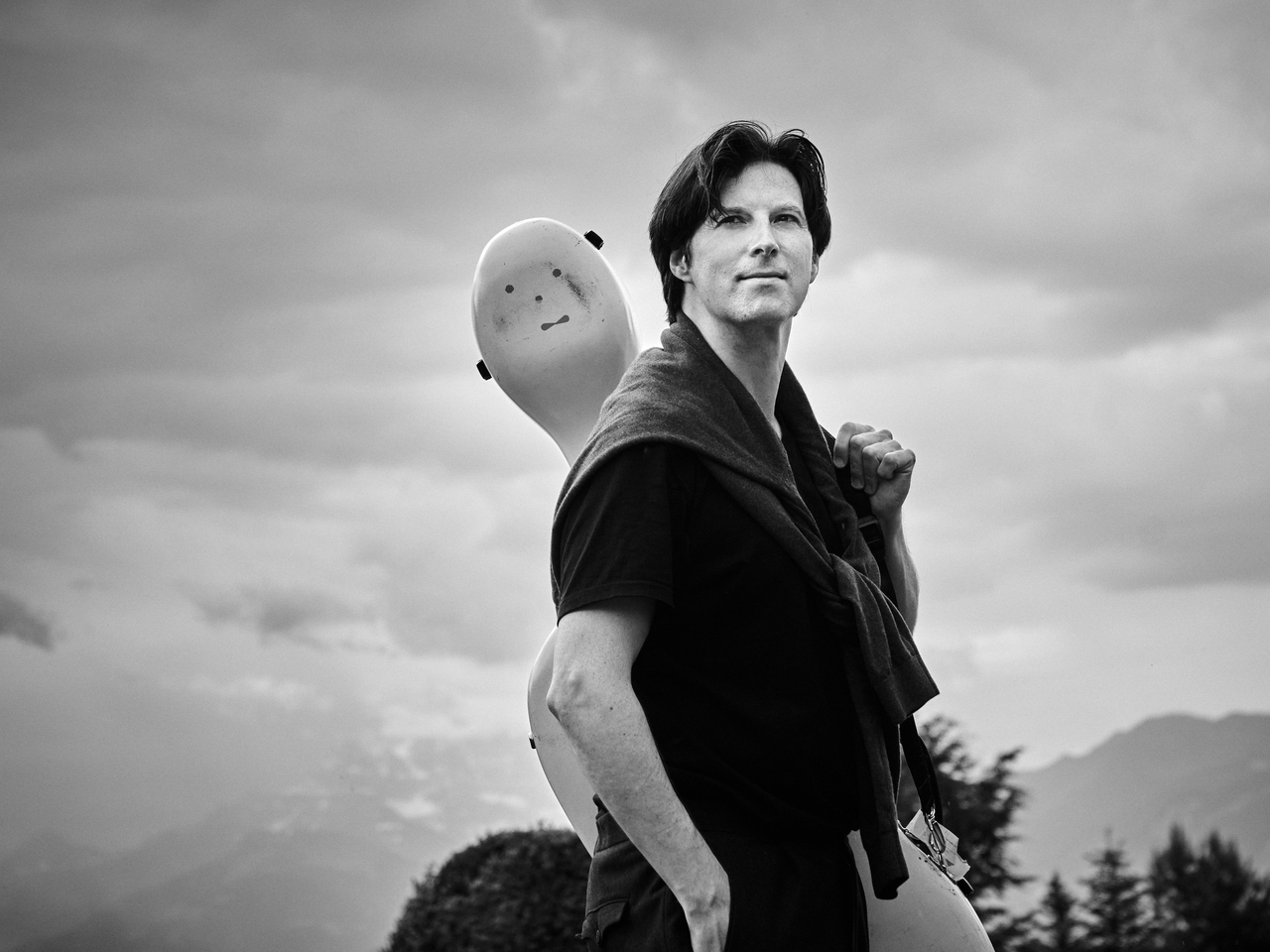
Seven years after his last scheduled recital in Seoul was canceled, German cellist Daniel Muller-Schott returns to Korea for a long-awaited performance on Oct. 12 at the Seoul Arts Center, joined by pianist Cho Jae-Hyuck.
Their program spans different eras of German music — “contrasting yet connected,” as the cellist described it — centered on Beethoven’s Cello Sonata No. 3 and Brahms’s F-major Sonata, with Webern’s concise Op. 11 and the lyrical warmth of Schumann’s Fantasiestucke, Op. 73 rounding out the evening.
“Beethoven created a new kind of sonata that gives equal voice to both piano and cello. Brahms’s F-major Sonata is more symphonic, full of orchestral color," he said in an e-mail interview. "Webern’s piece is very short but full of energy and intensity, while Schumann’s music is deeply poetic. It connects literature and music," he said.
The 48-year-old cellist has performed these masterworks for many years, but he has also devoted significant effort to expanding the cello repertoire — discovering lesser-known pieces, creating his own arrangements and collaborating with composers.
Several contemporary composers — including George Alexander Albrecht, Andre Previn and Peter Ruzicka — have dedicated cello concertos to Muller-Schott, which he premiered with leading orchestras such as the Leipzig Gewandhaus Orchestra, the Deutsche Kammerphilharmonie Bremen and the Staatskapelle Weimar.
Beyond performance, he has a deep interest in literature and visual art, often writing his own program notes and album essays about the composers and works he performs. “I feel each art form has its own source of inspiration,” he said. “I enjoy exploring different ways of expressing music or explaining what I see as most important. Through writing, speaking, or even painting, I sometimes gain more clarity since pictures, texts, and sounds are all connected. We can learn so much from these art forms."
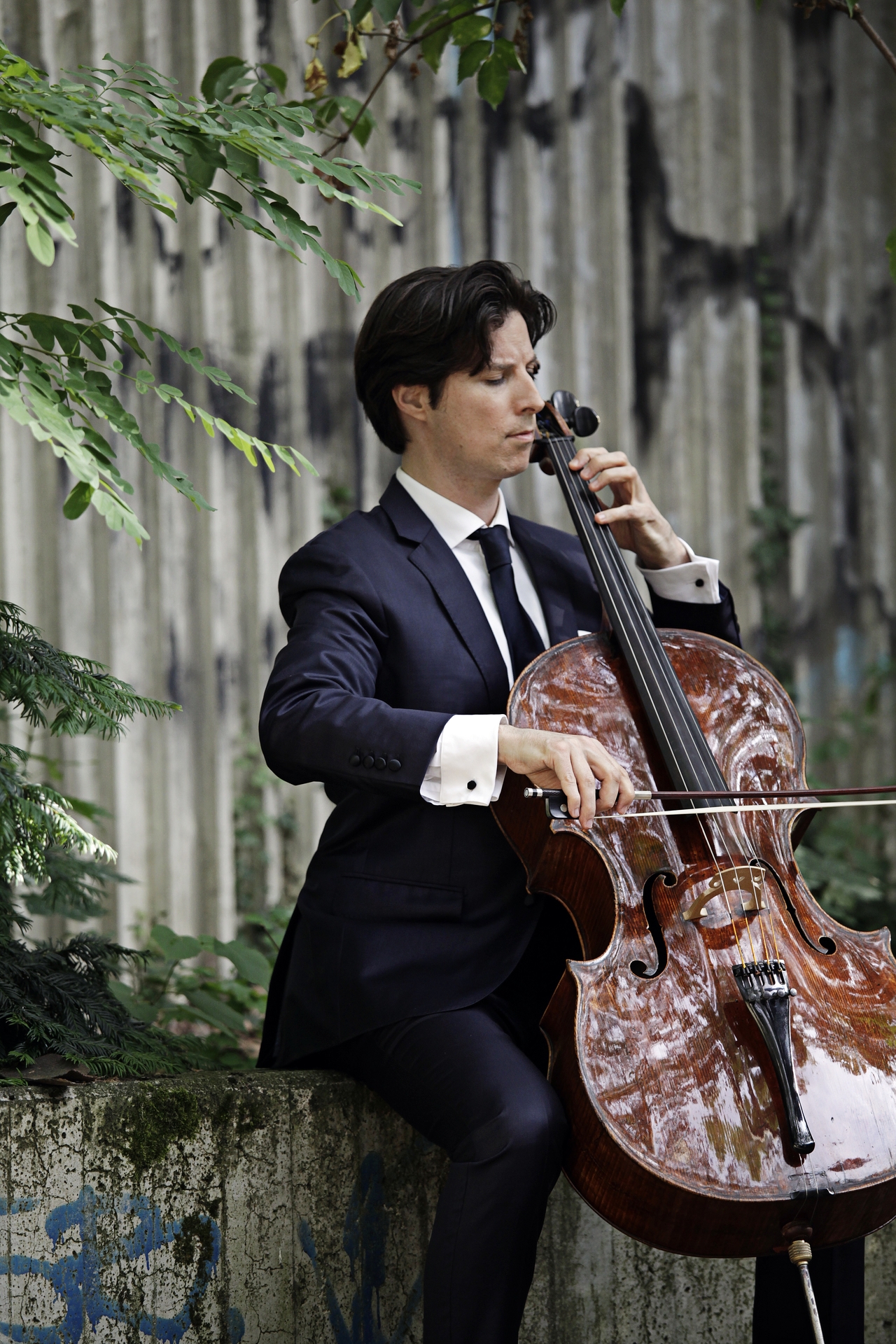
As co-founder of the Vevey Spring Classic Festival in Switzerland with conductor Wilson Hermanto, he continues experimenting with interdisciplinary projects — such as combining Bach’s music with dance — to expand the visual and emotional reach of classical music.
“At the festival, I work with artists and painters while giving young musicians a platform to perform chamber music with my colleagues,” he explained. “All art forms come from the same human need to express ourselves. I also paint from time to time, love reading and visiting exhibitions. Exploring these forms gives me — and hopefully the audience — a broader perspective.”
The cellist, who has released more than 30 recordings on major labels such as Orfeo, Deutsche Grammophon, Hyperion and Warner Classics remains driven by curiosity and humility. “There’s no perfect image of a performer,” he said. “What matters is to stay open, keep learning, and let your humanity come through in your playing.”
gypark@heraldcorp.com


![[World Class] HUFS bets on Songdo, AI to redefine what a global university can do](https://wimg.heraldcorp.com/news/cms/2026/10/18/news-p.v1.20260930.7e4dbeacfc1d4d16848c0e2a441c04e6_R.jpg?type=h&h=120)
