Over 60% of abused victims are youths under 30, those with developmental disabilities most vulnerable
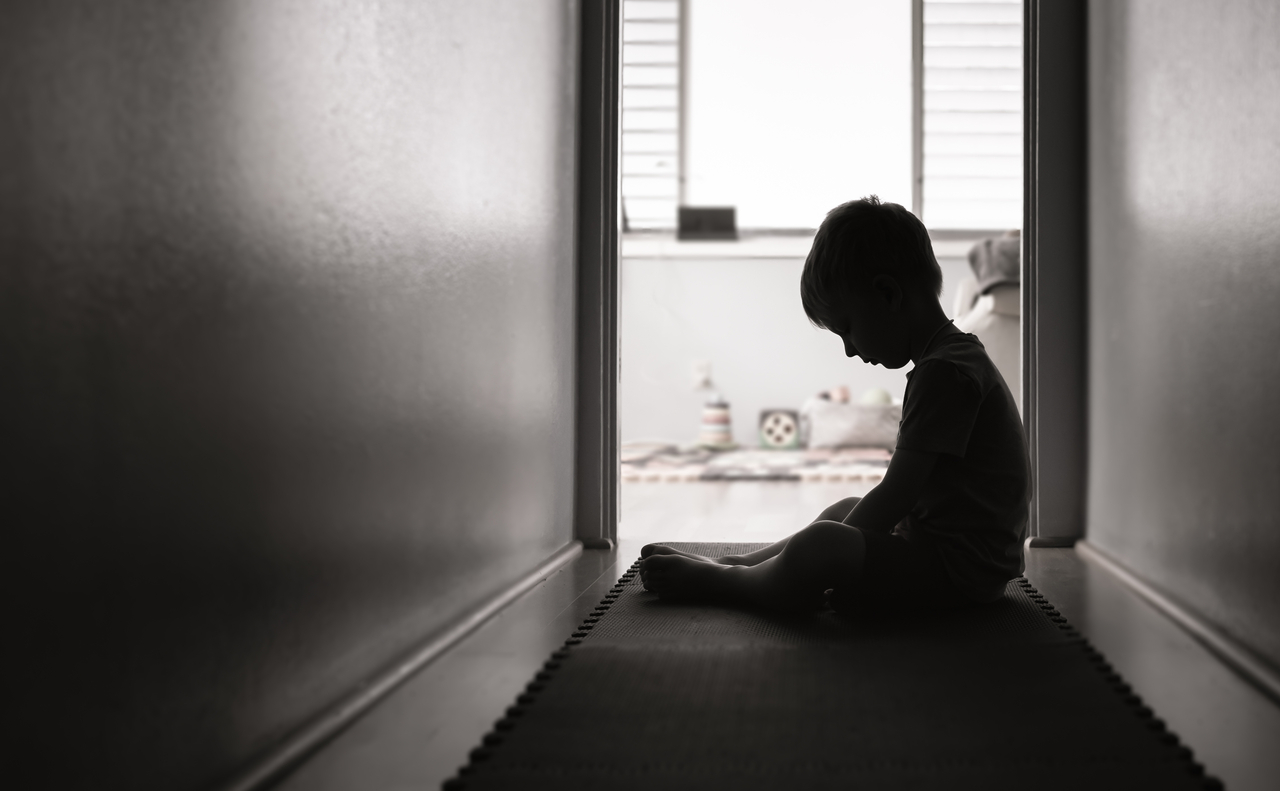
South Korea saw a rise in reported abuse of people with disabilities last year, with children and young adults making up the majority of victims. Those under 18 accounted for nearly one-fifth of confirmed cases.
According to the 2024 disability abuse report released Friday by the Health Ministry and the National Advocacy Agency for Persons with Disabilities, 1,449 cases of abuse were confirmed in 2024, up 2.2 percent from the previous year.
Among the victims, 63.5 percent were under 30, including 330 cases involving teenagers and younger children, 328 cases from those in their 20s and 262 from the 30-something group, respectively. A total of 270 cases involved minors under 18, who alone represented 18.6 percent of all victims.
The report also found that 7 out of 10 victims had developmental disabilities, such as intellectual or autism spectrum disorders. Physical abuse was the most common type, accounting for 33.6 percent of cases, followed by emotional abuse at 26.5 percent and financial exploitation at 18.6 percent.
Abuse most often occurred at the victim’s residence, which accounted for 45 percent of cases, and perpetrators were frequently acquaintances, facility workers or family members. Repeat abuse has become more common, rising to 13 percent of all cases, which is nearly four times higher than five years ago.
Meanwhile, the growing awareness of disability rights is driving a steady increase in reports. Nationwide, advocacy centers received 6,031 reports of suspected abuse in 2024, a 9.7 percent rise from the previous year.
Of these, 26.3 percent came from mandated reporters such as social workers, while 73.7 percent were filed by the general public. Self-reports by victims themselves climbed 15.5 percent to 612 cases, including a 21.1 percent jump in reports from people with intellectual disabilities.
As reports climb, legal experts are calling for stronger protections for victims who often struggle to prove abuse. At a public forum hosted by Seoul National University’s Public Interest Law Center and disability advocacy groups, speakers argued for exceptions to Korea’s ban on third-party recordings of private conversations, citing cases where secret audio evidence revealed abuse of children and people with disabilities. Current law generally bars such recordings from being admitted in court.
Kim Jae-wang, a blind attorney and law professor, said victims who cannot record their own conversations are left defenseless. He urged lawmakers to recognize recordings made by parents or caregivers as admissible, noting that US courts already accept such evidence on behalf of child victims.
The debate gained public attention after a high-profile case involving webtoon artist Ju Ho-min, whose wife recorded alleged emotional abuse of their son by a special-education teacher. A lower court admitted the recording and issued a conviction, but an appellate court overturned the verdict, ruling the evidence inadmissible.
Officials stressed that alongside legal reforms, early detection and public reporting remain key to protecting vulnerable victims. The ministry pledged to expand staffing and education programs at advocacy agencies to help prevent future abuse.
jychoi@heraldcorp.com