

In just four years, electricity debt among Korea’s most low-income households has nearly doubled, even as rates remain among the lowest in the developed world.
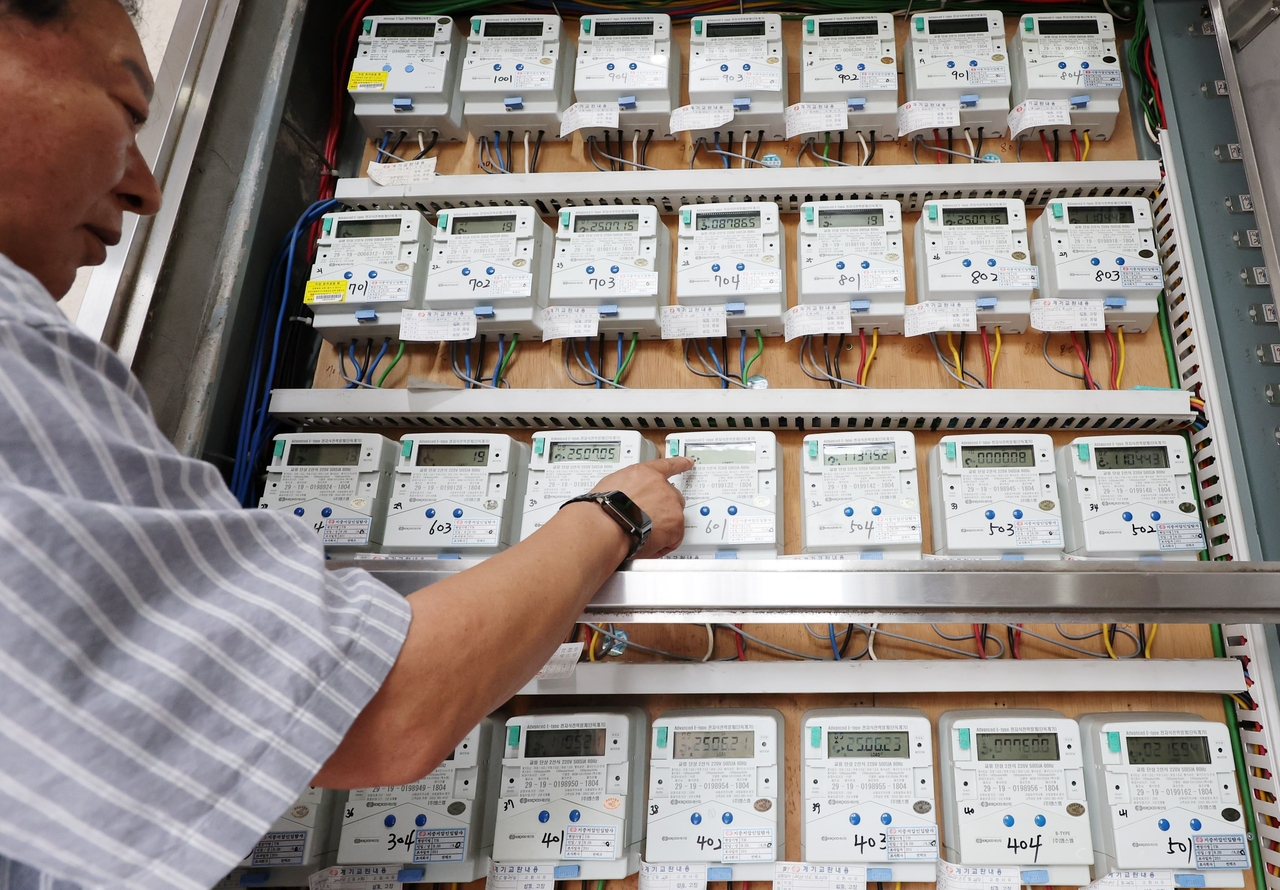
South Korea’s poorest households are falling further behind on electricity bills despite subsidies, even though the country has some of the lowest power prices in the developed world.
New data released by Democratic Party of Korea Rep. Park Ji-hye, based on figures from Korea Electric Power Corporation and the Korea Energy Agency, shows that nearly 53,000 households receiving subsidized rates were in arrears in the first half of 2025.
That is almost double the 24,591 households recorded in 2020.
These households qualify for welfare discounts because they include vulnerable groups such as basic welfare recipients, people with disabilities and national merit holders. Despite the reduced rates, about 3 percent of the 1.54 million eligible households last year could not keep up with bills.
The average length of arrears also stretched from 168 days in 2020 to 188 days in 2024, meaning families were typically more than six months behind.
Power bills jumped 20% for subsidized households just as bottom-quintile incomes declined
The problem intensified after KEPCO raised household electricity rates in May 2023. The following year, the average discounted household paid 32,216 won ($23) per month, an increase of 5,534 won compared to the year before.
At the same time, Statistics Korea reported that the bottom 20 percent of households — those earning the least — saw average monthly income fall 1.5 percent to 1.14 million won in early 2025, while the top 20 percent enjoyed a 5.6 percent increase. Inflation that began in 2022 has only compounded the squeeze, leaving many poorer families spending more than they earn.
South Korea’s energy voucher program offers some relief by helping low-income households cover seasonal cooling and heating costs. This year, a two-person household can receive up to 407,500 won in vouchers. However, vouchers cannot be used to pay overdue balances, and only apply to new charges during designated periods. If a family has already had service cut off, vouchers are no help.
“Voucher-based aid alone cannot solve energy poverty,” Rep. Park said, calling for broader support for essential energy costs along with long-term measures such as improving household energy efficiency.
International data reveal a paradox. According to the International Energy Agency, South Korea’s residential electricity price in 2023 was 130.4 US dollars per megawatt-hour, ranking 35th among OECD countries. Only Hungary and Türkiye had cheaper household power. Yet a KEPCO consumer survey in 2024 found that 44 percent of respondents believed residential electricity rates should be lowered, a higher share than those demanding cuts to industrial or commercial rates. Nearly half described electricity as expensive compared with other public utilities, far above the share who felt the same about water or transport.
mjh@heraldcorp.com


![[World Class] HUFS bets on Songdo, AI to redefine what a global university can do](https://wimg.heraldcorp.com/news/cms/2026/10/18/news-p.v1.20260930.7e4dbeacfc1d4d16848c0e2a441c04e6_R.jpg?type=h&h=120)
