Korean battery maker beats out China's CATL, Farasis with advanced tech, local plants in US, EU
LG Energy Solution has reportedly signed a 15 trillion won ($10.8 billion) deal to supply 46-series cylindrical batteries for Mercedes-Benz electric vehicles bound for the US and European markets, strengthening its position over Chinese competitors.
According to LG Energy Solution’s regulatory filing on Wednesday, the company has signed two contracts with Mercedes-Benz to supply 75 gigawatt-hours of EV batteries for the US and 32 gigawatt-hours for Europe. The US agreement runs from July 30, 2029, through Dec. 31, 2037, while the European deal covers the period from Aug. 1, 2028, to Dec. 31, 2035.
Industry insiders say this estimated 15 trillion won agreement represents the largest-ever supply contract for LG Energy Solution’s 46-series cylindrical EV batteries, measuring 46 millimeters in diameter and 80 - 120 millimeters in height. The combined supply volume is enough to power roughly 1.5 million Mercedes-Benz EVs, according to sources.
LG Energy Solution declined to confirm specific details such as the deal size and battery form factor, stating, “We are unable to disclose any additional information beyond the announced details, as further specifics remain subject to ongoing discussions with our client.”
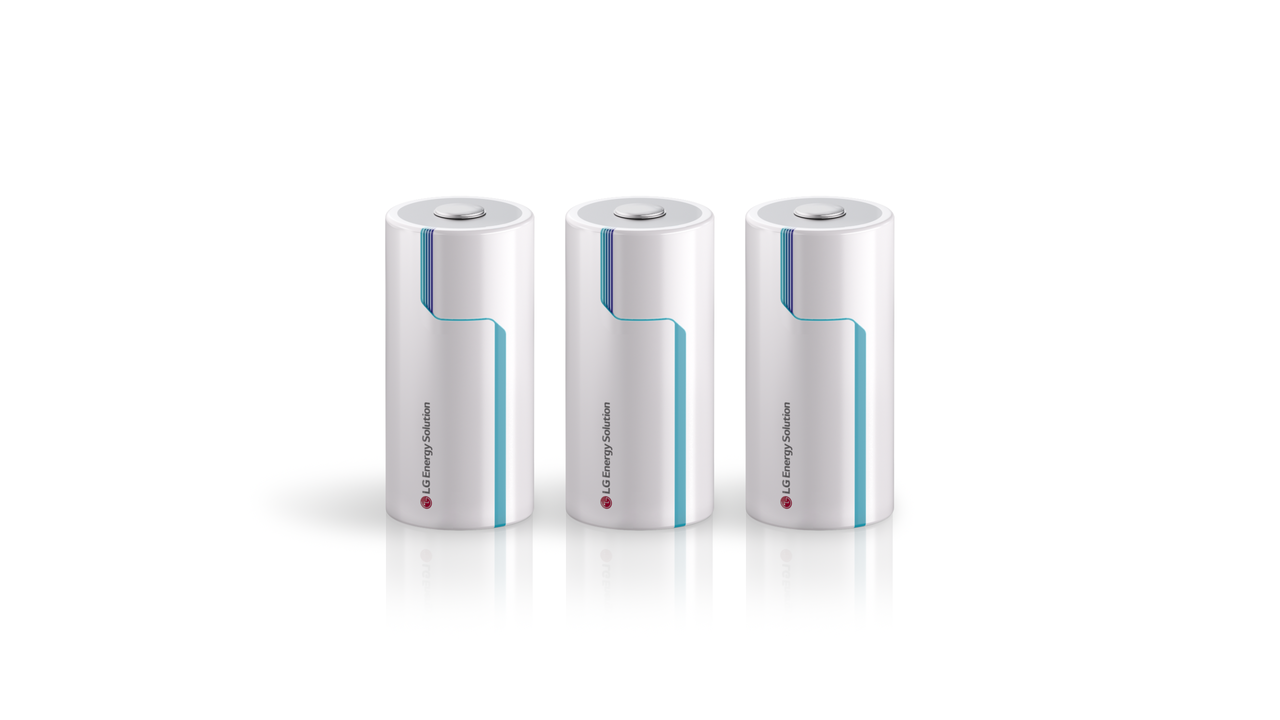
This deal further cements LG Energy Solution’s role as a key strategic battery partner for Mercedes-Benz, having secured a cumulative supply of over 150 gigawatt-hours of 46-series batteries — worth over 20 trillion won — with the German luxury automaker. The South Korean battery maker had previously landed a 50.5 gigawatt-hour contract in October to supply 46-series batteries to Mercedes-Benz in North America and other markets.
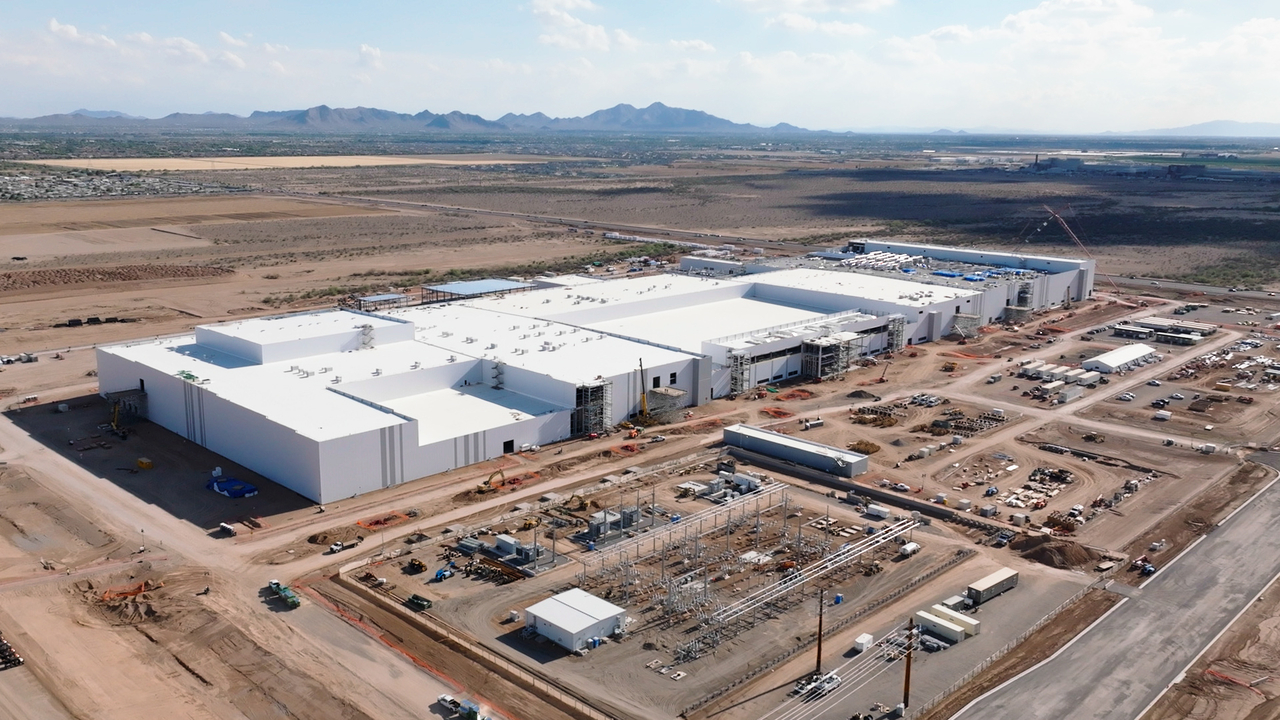
The EV batteries destined for Mercedes-Benz’s US market will be produced at LG Energy Solution’s manufacturing facility currently under construction in Arizona. This site, with an annual production capacity of 36 gigawatt-hours, is scheduled to begin operations next year. The supply volume for Europe is expected to be manufactured at LG Energy Solution’s production facility in Wroclaw, Poland.
Notably, sources highlighted that LG Energy Solution’s local manufacturing capabilities in the US were a decisive factor in securing the landmark contract with the automaker. Compared to its domestic competitors — Samsung SDI and SK On — LG Energy Solution is recognized as the first Korean battery-maker to establish a manufacturing base in the US, with its Holland, Michigan, plant beginning large-scale production in 2022.
“LG Energy Solution’s US contract with Mercedes highlights the strategic importance of localized production amid rising tariffs and trade policy uncertainties,” said an industry insider speaking on condition of anonymity.
Another key factor behind LG Energy Solution’s achievement is its advanced cylindrical battery technology, which surpasses that of Chinese competitors, including CATL and Farasis Energy — other major suppliers to Mercedes-Benz — that mainly provide pouch or prismatic battery cells. These companies have aggressively pursued Mercedes-Benz supply partnerships, leveraging price advantages over Korean companies.
Compared to the conventional 2170 model, the Korean battery giant’s 46-series battery cell delivers at least five times greater energy and power output, along with enhanced space efficiency. Additionally, it streamlines the manufacturing process by reducing the number of steps required per unit of energy, saving both time and cost, thereby boosting its price competitiveness.
The battery also features unit-cell level directional venting technology that quickly releases internal explosion energy, reducing cell resistance while enhancing safety and preventing chain thermal runaway. LG Energy Solution’s CAS (Cell Array Structure) module and pack solution maximizes overall safety by improving cooling efficiency, preventing thermal runaway and reinforcing structural rigidity.
LG Energy Solution’s latest supply agreements underscore Mercedes-Benz’s pivot from Chinese battery suppliers to Korean manufacturers for their electric vehicles in the US and European markets — two of the world’s largest EV markets.
“Among global carmakers, Mercedes-Benz is making a more decisive shift to Korean battery makers to strengthen localized production in the US and Europe, aiming to improve its sales,” said Kim Pil-su, a car engineering professor at Daelim University. “For the US market, this move can be seen as a strategic effort to mitigate the impacts of US tariffs on imported vehicles and parts.”
In the first half of 2025, Mercedes-Benz’s sales declined, trailing its archrival BMW in both the US and Europe. BMW sold 178,499 units in the US compared to Mercedes-Benz’s 142,000 units, while in Europe, BMW recorded 497,778 units sold, significantly surpassing Mercedes-Benz’s 308,300 units.
hyejin2@heraldcorp.com