
By Robert Wilkinson
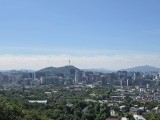
The Seoul office market has become one of the most resilient and tightly held commercial real estate sectors in the world. With vacancy rates hovering at record lows and prime rents steadily rising, landlords in Seoul are currently enjoying a golden era. But as we approach the last few months of the year, there’s a growing question on everyone’s mind: How long can this last?
A market defined by scarcity
Seoul’s Grade A office market continues to exhibit an extreme supply-demand imbalance. Vacancy rates across the three main business districts, the Central Business District, Gangnam Business District and the Yeouido Business District, have consistently remained around 2 percent, a level almost unthinkable in other global cities. This has given landlords unprecedented pricing power, pushing prime effective rents to new heights.
The reasons for this tightness are well documented. New supply in central Seoul has been minimal over the past several years due to limited land availability, strict zoning, and the long gestation periods required for large-scale developments. Meanwhile, demand from domestic conglomerates and financial institutions remains robust, particularly for high-spec, centrally located buildings.
Landlords’ market, for now
In this landlord-favourable environment, rents have risen, incentives have shrunk, and escalations have become more aggressive. In some buildings, effective rents have shot up as much as 40 percent to 50 percent in the last three years. Tenants, especially those requiring larger footprints, are facing limited options, often forced to renew leases at higher rates or relocate to less optimal locations.
The top-performing assets, typically LEED-certified, transit-connected, and offering wellness amenities, are seeing the highest levels of competition. The concept of “flight to quality” is alive and well in Seoul, but so is its counterpart: the “flight to availability,” where tenants are compromising on prestige or location simply to secure space.
Yet while landlords are thriving, there are early signs that this dynamic could begin to shift.
Cracks in the foundation?
Despite the strong headline figures, several subtle pressures are building beneath the surface.
First, economic uncertainty both domestically and globally may begin to dampen leasing momentum. Korea’s gross domestic product growth, while stable, is moderating. Export-focused businesses, historically strong tenants in Seoul’s core, are facing headwinds from geopolitical tensions, rising tariffs and softening global demand.
Second, while the tech sector remains a key source of demand, it's not immune to cost rationalisation. Several Korean startups and tech firms are reassessing their office footprints amid tighter funding environments and evolving work models.
Third, the hybrid work narrative, though slower to catch on in Korea than in markets like the US or the UK, is beginning to gain ground, particularly among younger professionals and multinational firms. While very few companies are dramatically reducing space, the concept of re-optimization (or doing more with less) is gaining traction.
Pipeline pressure and shifting demand
Perhaps the biggest potential disruptor lies in the supply pipeline. Several large-scale projects are scheduled to be delivered between 2026 and 2031, most of these in the CBD, and many are designed with next-generation ESG, digital, and wellness features. If these buildings come online faster than tenant demand grows, the current supply-constrained story could quickly change.
In addition to this, tenant expectations are evolving. In a post-pandemic world, companies are increasingly valuing flexibility, smart building infrastructure, and mixed-use ecosystems. Older buildings without renovation plans may struggle to stay relevant, leading to a bifurcated market where only the top-tier assets retain pricing power.
Investor implications
For investors, Seoul remains an attractive proposition, but the competition is fierce. Despite cap rates remaining low, institutional capital, particularly from North America, Singapore and Hong Kong, continues to eye Seoul as a safe, stable market, but many are adopting a “wait and see” approach to see if any pricing correction arises from the upcoming supply.
One notable trend is growing investor interest in value-add opportunities. This strategy involves repositioning older office buildings to meet ESG and wellness standards. While not as glamorous as trophy asset acquisition, these plays may offer higher upside in a market with little room for yield compression.
How long can it last?
The short answer: likely into 2027, but the outlook beyond is a little murkier.
Seoul’s office market fundamentals remain sound in the short term. There’s little available space, tenant demand is steady, and Korea’s macroeconomic position is comparatively stable. However, the combination of economic softening, changing workplace trends, and a potential influx of supply could rebalance power dynamics over the next 12–24 months.
For landlords, now is the time to invest in upgrades and tenant experience to futureproof assets. For tenants, early renewal strategies and creative space planning may be necessary to stay ahead of cost pressures. And for investors, a watchful eye on the development pipeline will be key to timing entries and exits effectively.
The Seoul office market may be sky-high today, but in real estate, what goes up must eventually… rebalance.
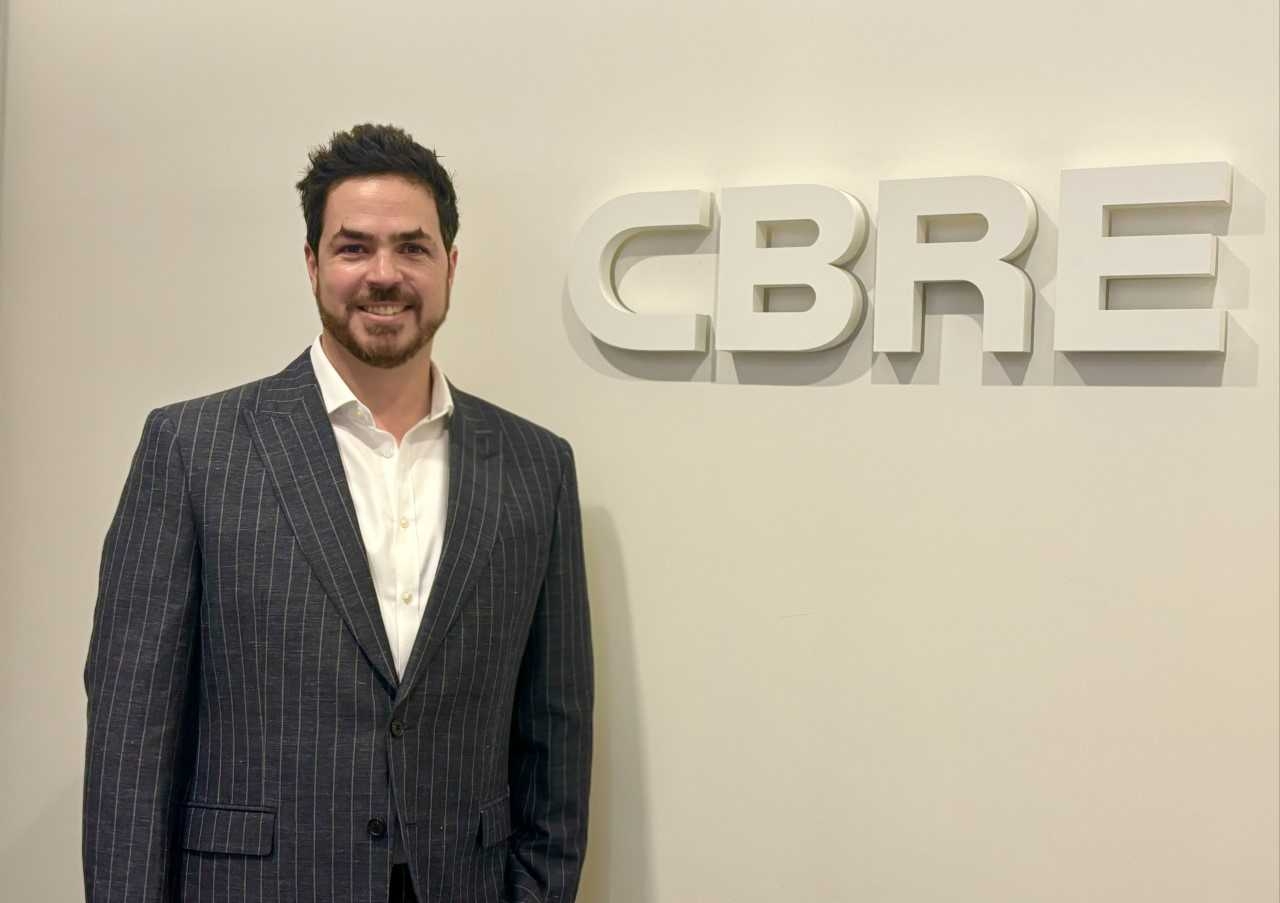
Robert Wilkinson is the deputy managing director at CBRE Korea. Views in this column are his own. -- Ed.
silverstar@heraldcorp.com