

Three-day event gathers APEC's ministerial-level cultural officials for the first time, recognizes cultural industries as a key sector of the economy.
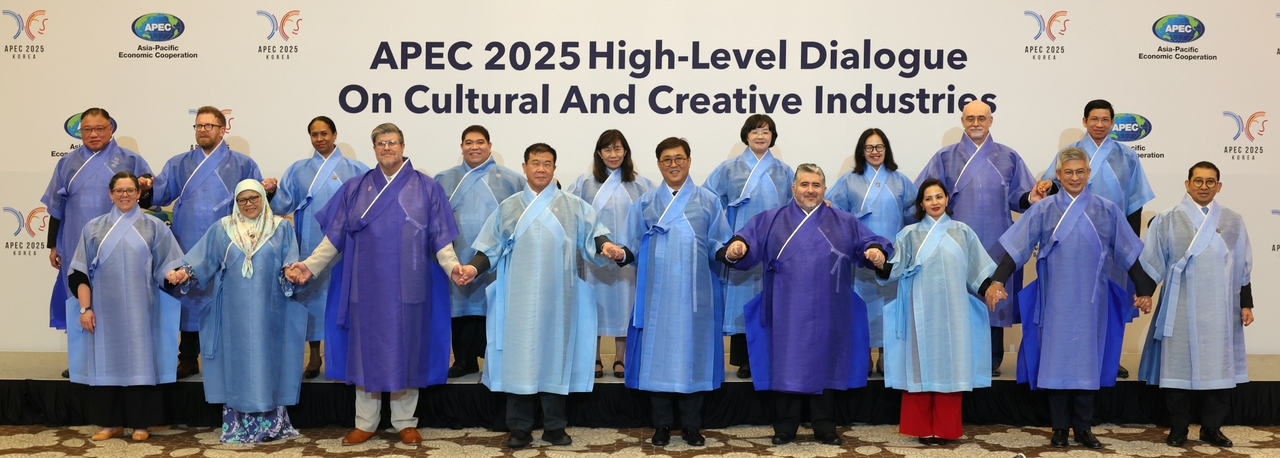
For the first time in its history, APEC placed culture at the center of its economic agenda as ministerial-level cultural officials from member economies gathered in Gyeongju, North Gyeongsang Province, for the 2025 High-Level Dialogue on Culture and Creative Industries on Wednesday.
The meeting, attended by 130 delegates under the theme “Cultural and Creative Industries: New Horizons for Prosperity,” concluded with a joint statement recognizing the sector’s economic importance and calling for innovation through digital and artificial intelligence technologies.
Korea's Culture Minister Chae Hwi-young stated, “This first ‘APEC High-Level Dialogue on Culture and Creative Industries’ marks the first time in APEC’s history that culture has been elevated to a core agenda item for economic cooperation. Beyond thematic discussions at the plenary session, it vividly showcased to APEC member economies the boundless potential of cultural content and the strength of Korea’s cultural industries, making it a significant achievement.”
“Building on this outcome, Korea will continue to pursue sustained cooperation with APEC member economies through cultural industries,” he added.
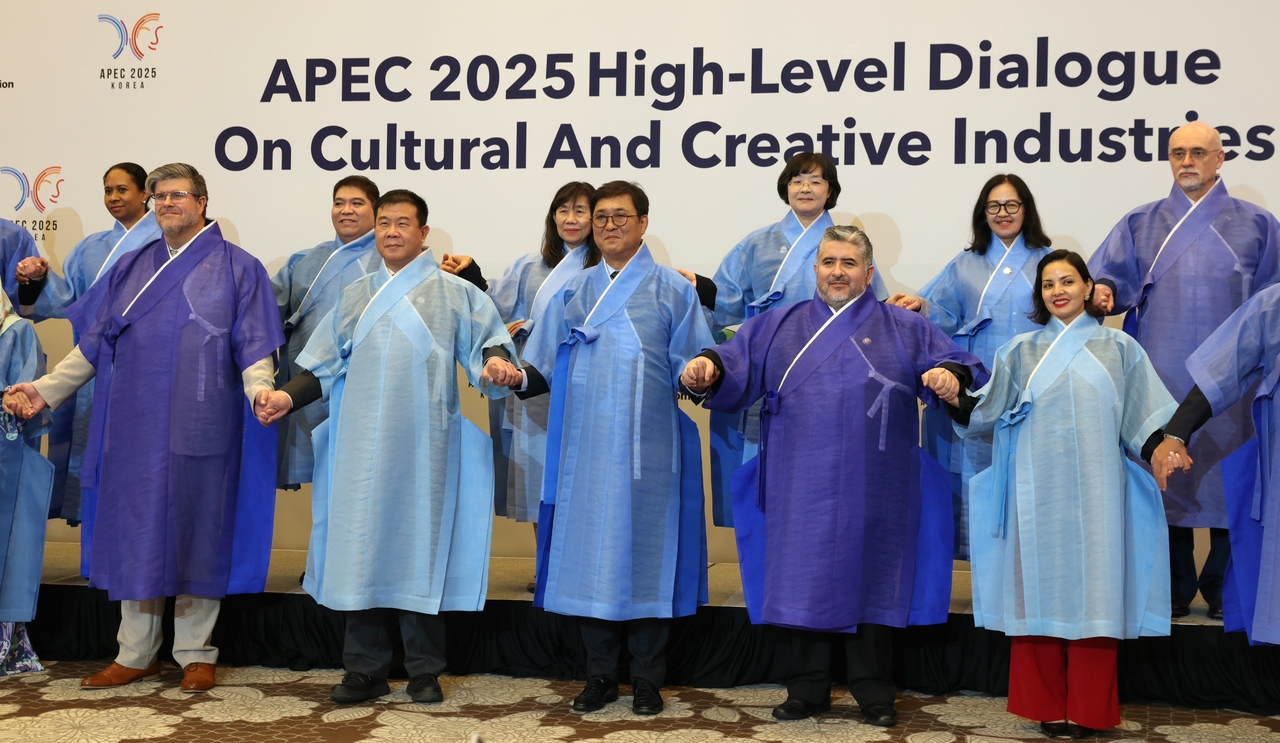
The key points for the joint statement included a shared recognition of the economic importance of cultural and creative industries, and the promotion of innovation in creation and distribution through digital and AI technologies, according to the Ministry of Culture, Sports and Tourism.
Discussions at the high-level dialogue were divided into three sessions: recognizing cultural industries as a new catalyst for APEC’s growth, exploring their development through digital and AI innovation, and advancing regional cooperation based on diversity and mutual respect.
For the first session, reflecting on the cultural sectors' contribution to macroeconomic indicators such as economic growth and job creation, Korea’s culture minister introduced the country's cultural industry development policies, emphasizing the expanding impact cultural content has on related industries such as beauty, food, tourism, fashion, information technology and automobiles.
The second session, "Innovate: Advancing Cultural and Creative Industries through Digital and AI Innovation," examined the impact of digital technology and AI across all stages of the cultural sector, with participants sharing case studies on research and investment efforts to seize opportunities and address challenges in this rapidly evolving field.
Studio Free Willusion CEO Hansl von Kwon highlighted how AI is reshaping creation, distribution, and consumption, citing examples of AI-driven film production, while Supertone CEO Lee Kyo-gu presented a vision for the future of AI voice technology in culture.
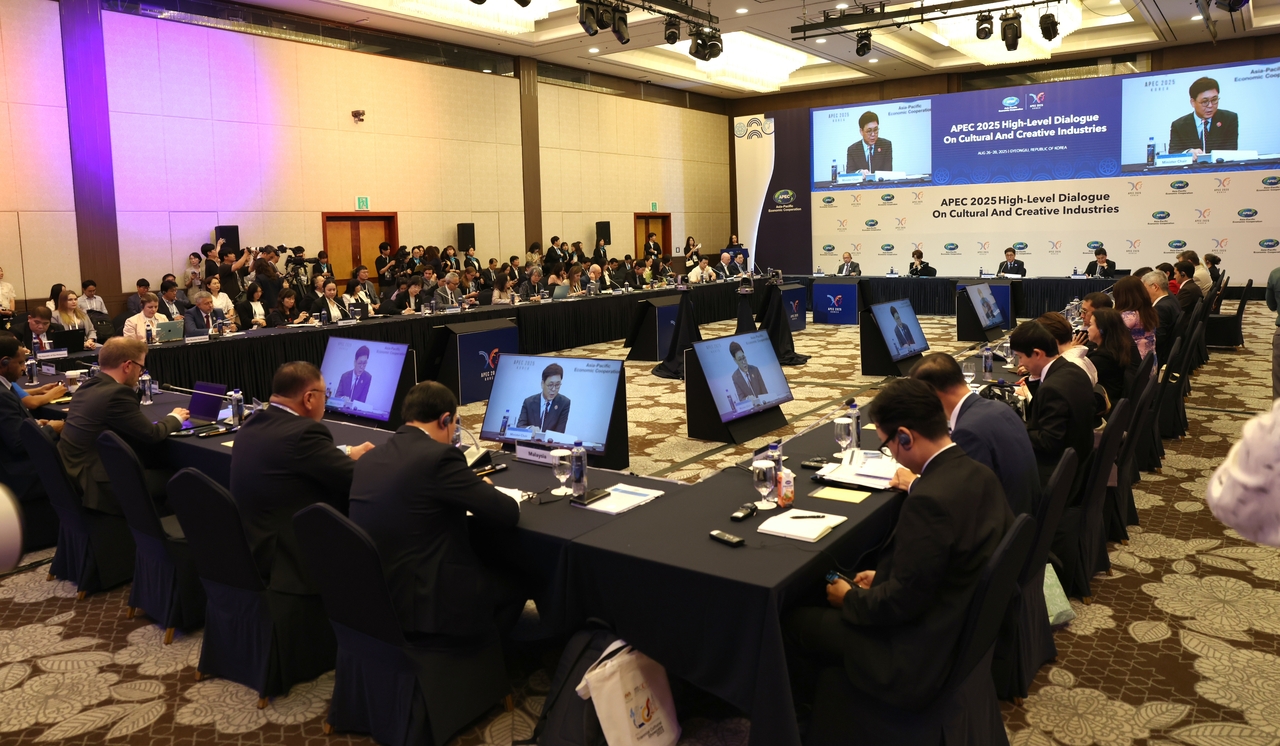
The final session, "Prosper: Achieving APEC Community Prosperity through Cultural and Creative Industries,” featured a keynote by Yves Daccord, executive chair of the Edgelands Institute, and focused on practical avenues for cooperation among member economies, including sharing best practices and strengthening exchanges in education and training.
The dialogue was joined by senior policymakers, including Abe Toshiko, Japan’s minister of education, culture, sports, science and technology; Carolina Arredondo, Chile’s minister of culture, arts and heritage; Fadli Zon, Indonesia’s minister of culture; Tiong King Sing, Malaysia’s minister of tourism, arts and culture; and Fabricio Valencia Gibaja, Peru’s minister of culture.
Also attending were leading figures of Korea’s cultural content sector, including Park Jin-young, also known as J.Y. Park, chief creative officer of JYP Entertainment; Jung Wook, CEO of JYP Entertainment; Yang Min-suk, CEO of YG Entertainment; Lee Jae-sang, CEO of Hybe; Jang Cheol-hyuk, CEO of SM Entertainment; and Kim Jeong-han, vice president of CJ ENM.
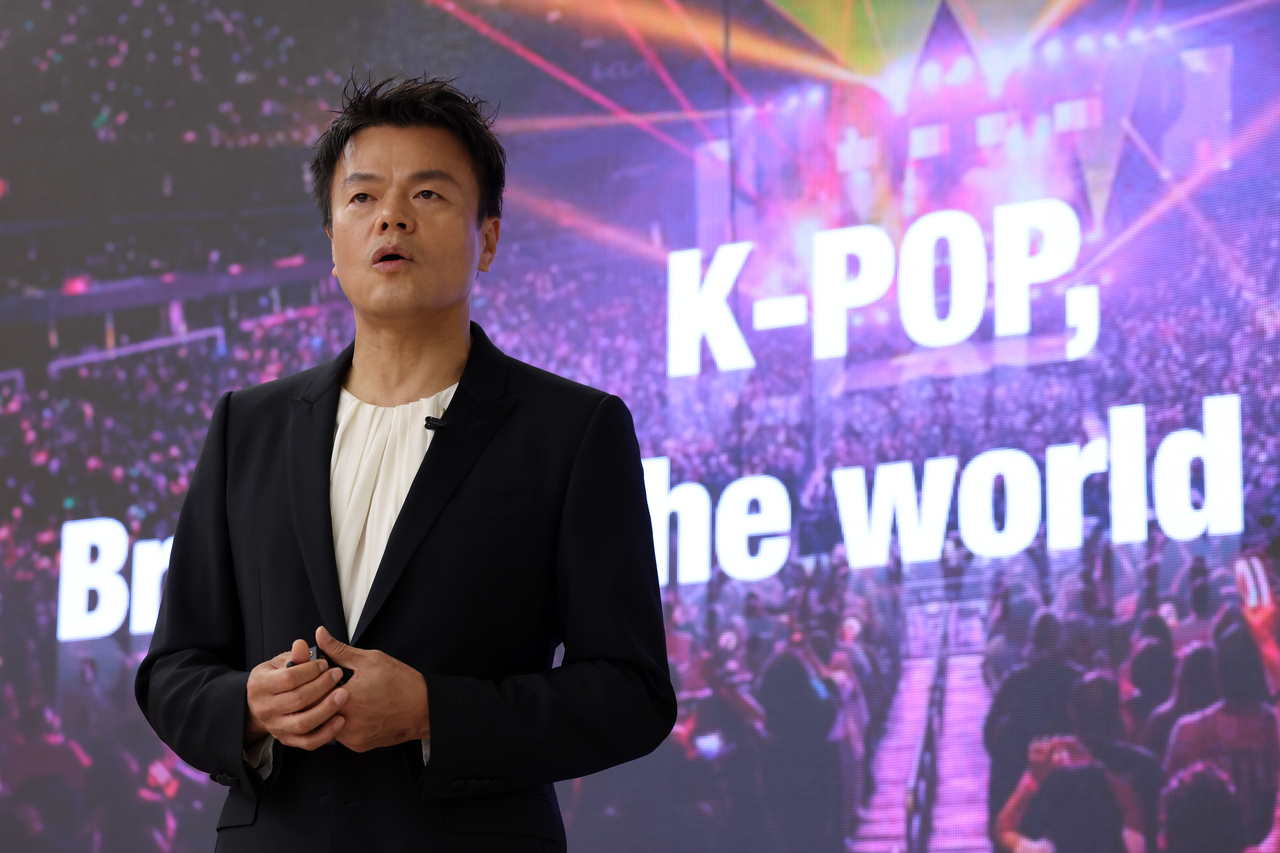
On Tuesday evening, Park delivered a keynote presentation titled “K-pop Connecting the World.” He shared success stories of K-pop and other Korean cultural exports, emphasizing that “K-culture is more than content; it has become a cultural language and a platform for communication shared across the globe.”
Park urged APEC-level cooperation to help cultural industries grow through innovative digital technologies and creative talent development.
gypark@heraldcorp.com