
National Theater of Korea launches inaugural World Traditional Opera Festival
A festival bringing together heritage-based musical theater from Korea, China and Japan will open next month in Seoul when the National Theater of Korea inaugurates the World Traditional Opera Festival, running Sept. 3-28.
The festival will center on changgeuk, a relatively young performing arts genre in Korea often described as a counterpart of opera. It developed out of pansori -- a traditional form of narrative singing recognized by UNESCO as Intangible Cultural Heritage of Humanity. The word "chang" refers to pansori singing, while "geuk" means drama in Korean.
Unlike traditional pansori, in which one singer performs an entire story accompanied only by a drummer, or gosu, changgeuk assigns different roles to different singers, creating a full-scale theatrical production.
With changgeuk seeing a surge in popularity in recent years, the festival aims to explore the currents of contemporary musical theater worldwide. Its inaugural edition will present nine productions, including three international guest works, two invited Korean productions and four original works by the National Theater of Korea.
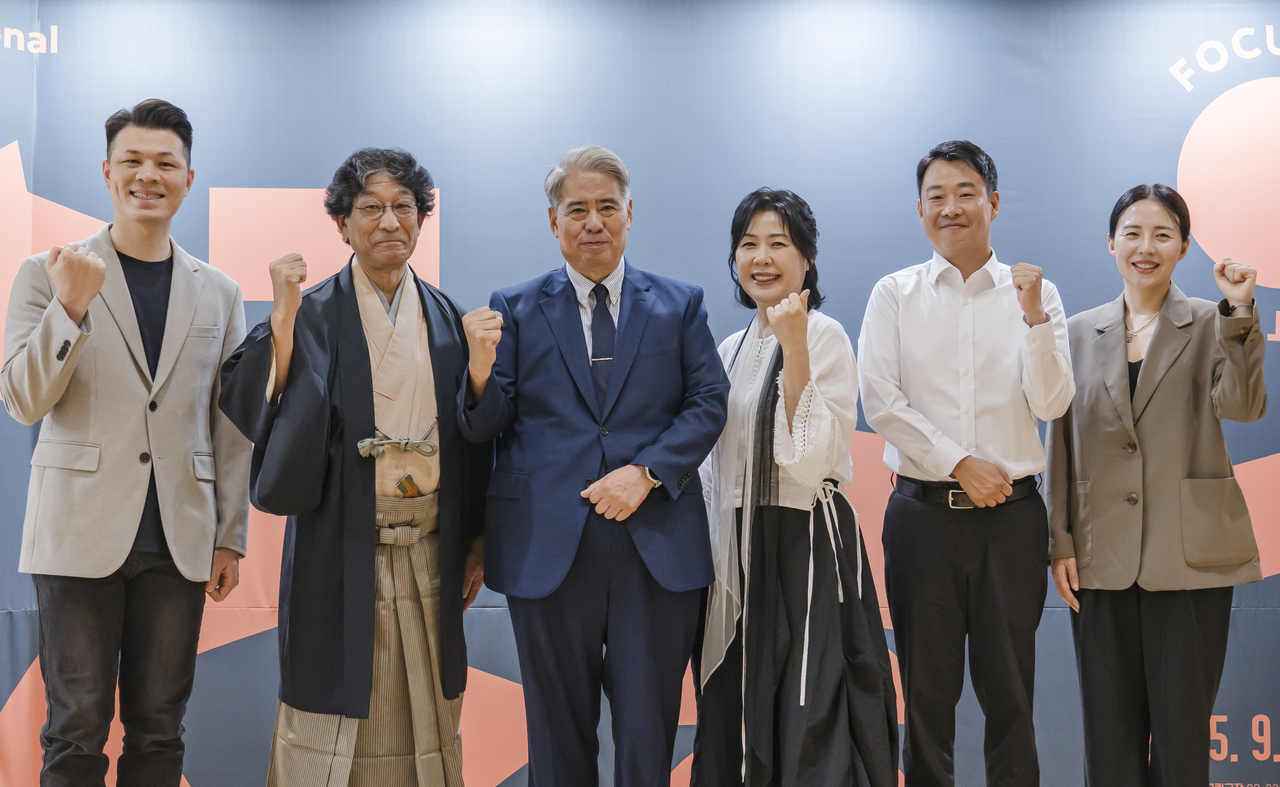
"This festival marks the full launch of our 2025-2026 season slogan, 'Together, Further,'" said National Theater CEO Park In-gun at a press conference on Thursday. “We will strive to grow it into a festival that captures global attention.”
Yu Eun-seon, artistic director of the National Changgeuk Company and head of the festival’s organizing committee, added, "We want this to become another signature festival of the National Theater alongside Yeowoorak. At its core, it will be a platform for exploring the present and future of global musical theater."
Under the theme of "Focusing on the East," the inaugural edition will highlight contemporary reinterpretations of tradition from Korea, China and Japan.
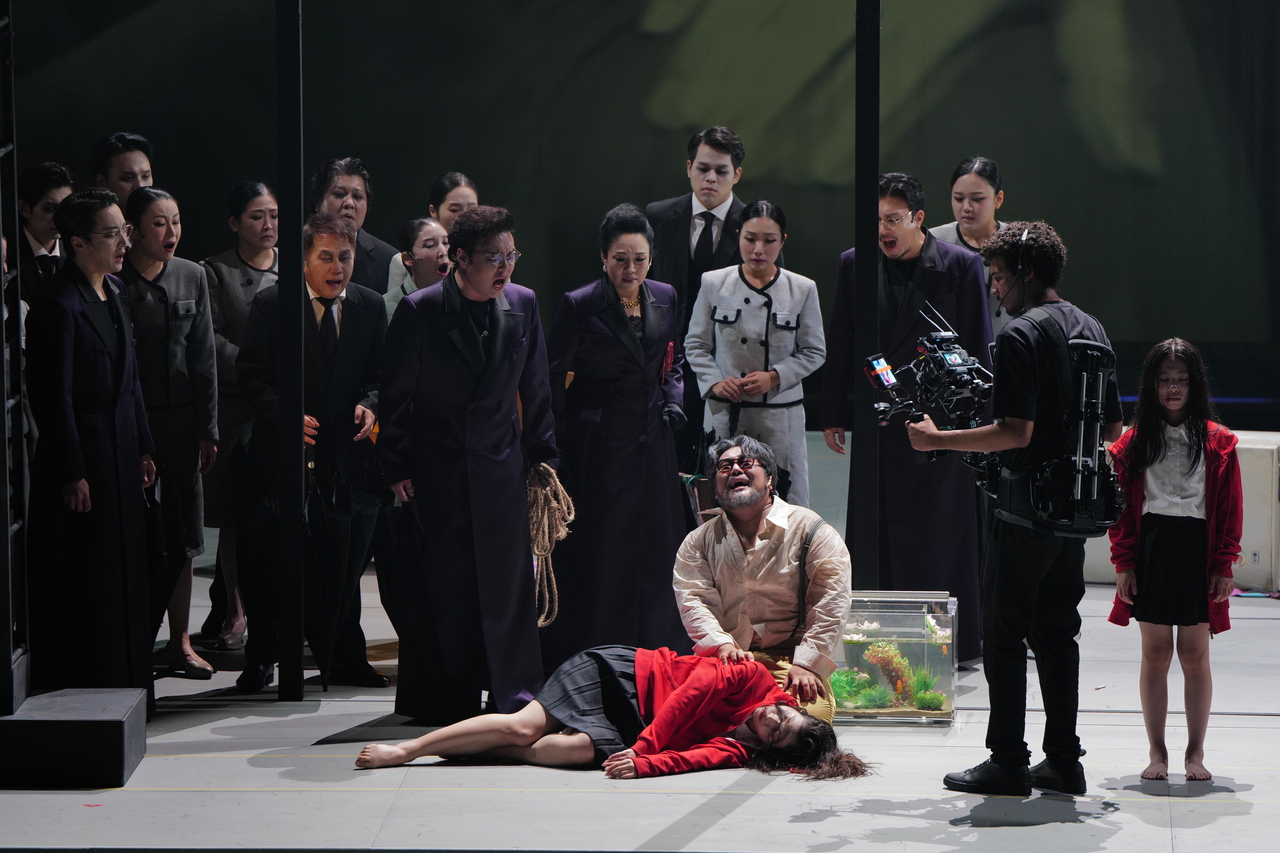
The festival opens with "Pansori Theater Shim Cheong" (Sept. 3-6), a bold reinterpretation of the classic pansori tale of a devoted daughter, directed by acclaimed Europe-based opera director Yona Kim. Co-produced with the Jeonju International Sori Festival, the work premiered earlier this month in Jeonju.
Other National Theater productions include "Through Tender Eyes" (Sept. 4-7), a barrier-free performance told through the eyes of a nameless dog; "Mr. Rabbit’s Journey to the Underwater Palace" (Sept. 25-26), a concert-style adaptation of the pansori "Sugung-ga"; and the 2025 Changgeuk Playwright Project Showcase (Sept. 27-28), which presents new script development.
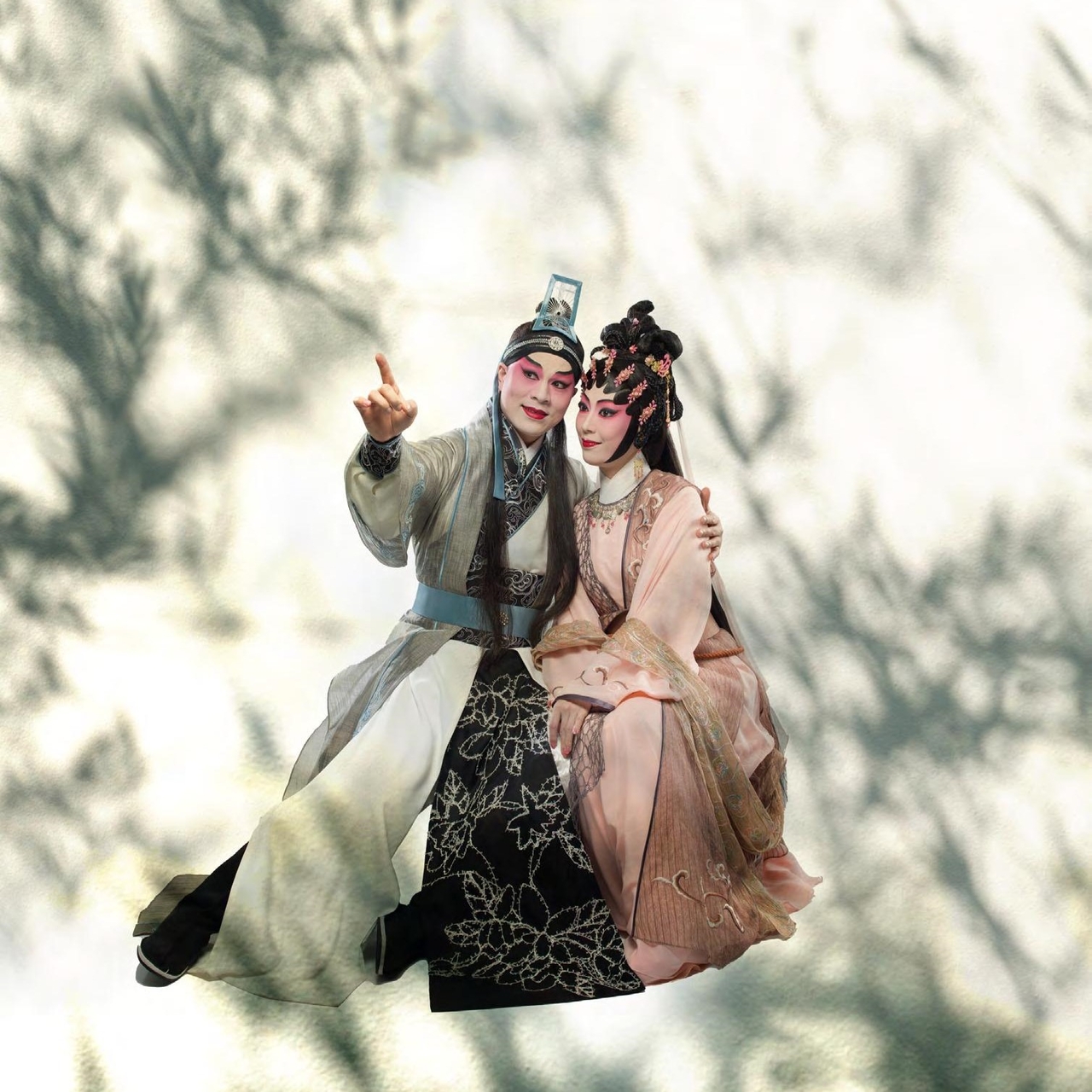
International highlights from China and Japan are also tradition-based yet contemporary.
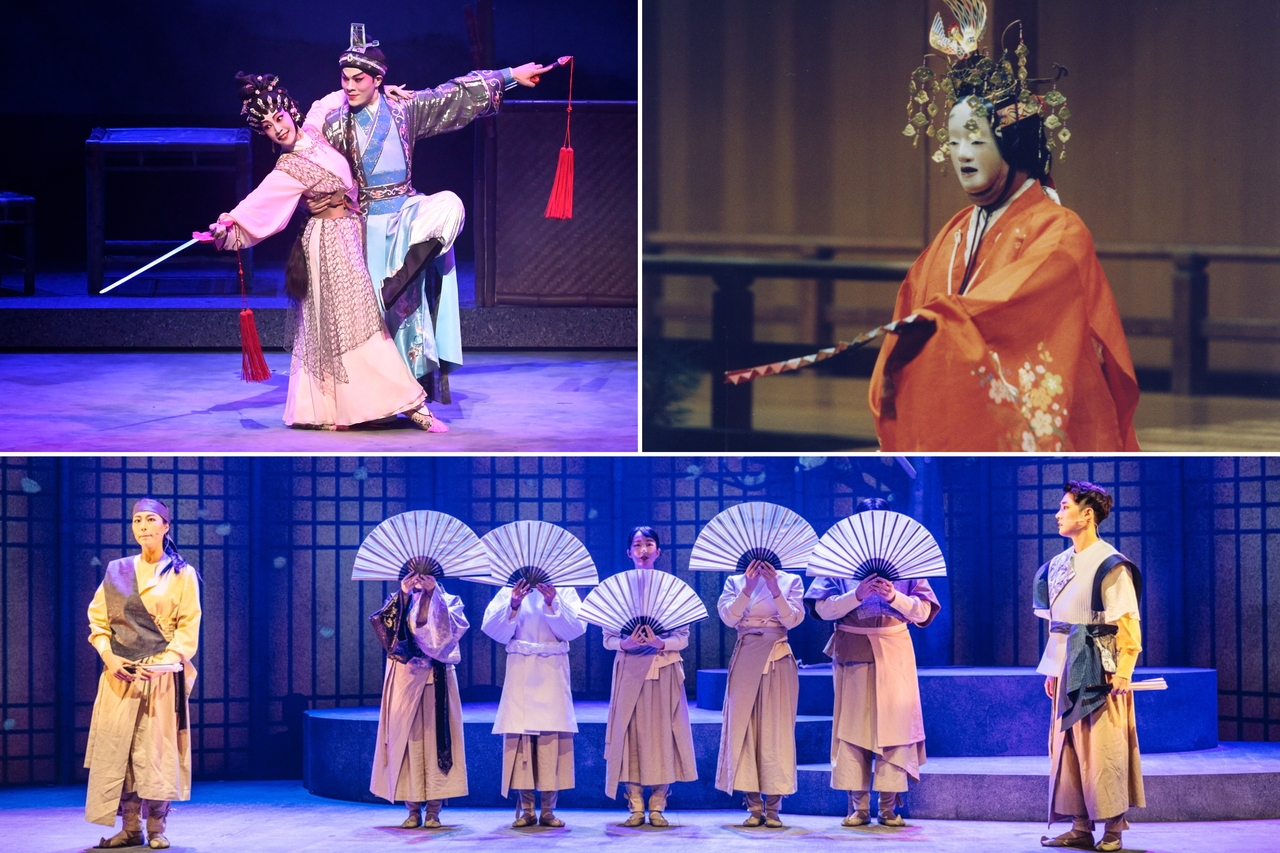
The Hong Kong Arts Festival’s 2023 production "Love in the Bamboo Grove" (Sept. 12-13) introduces audiences to Cantonese opera, a major form of Chinese opera originating in Guangdong Province and performed in the Cantonese language.
Running 200 minutes, the work -- written by award-winning screenwriter Raymond To Kwok-wai and performed by rising stars of Cantonese opera -- traces the lives of the descendants of the Seven Sages, who retreated from political turmoil in pursuit of a hedonistic life.
Set in the late Wei and early Jin dynasties, the production, both emotionally charged and action-packed, explores different forms of love, according to opera performer Lam Tin-yau.
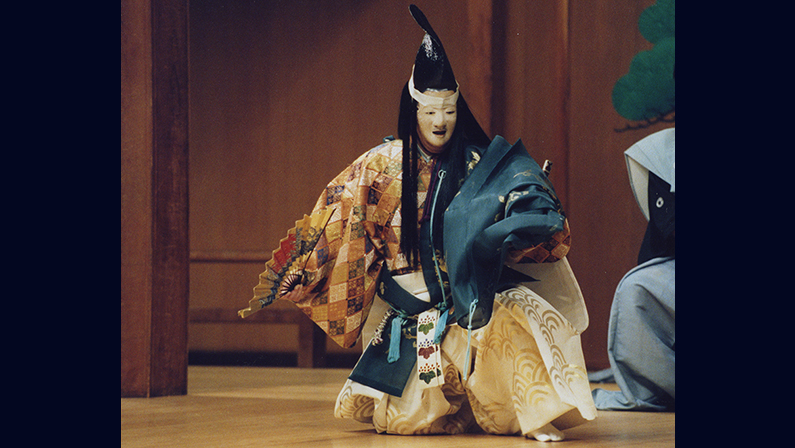
From Japan, the Nogaku troupe Noh Fu Ka presents "Manghanga" (Sept. 17-18), a collaboration with Korean nongak percussion, followed by "Noh and Kyogen" (Sept. 19-20), offering a glimpse into Japan’s highly stylized classical theater. Nogaku, alongside kabuki, represents Japan’s traditional stage arts, combining masked drama (noh) with comedic interludes (kyogen).
"Manghanga," a newly written noh play, was inspired by a 1993 interview with the wife of a Korean man who died while forcibly conscripted to work in a Japanese coal mine during Japan's colonial rule of Korea in the first half of the 20th century. It depicts the widow’s grief as she dances quietly under the moonlight.
To stage the work with authenticity, the troupe has brought four antique noh masks, each over 600 years old, from Japan. Director Shimizu Kanji, who also plays the grieving wife, acknowledged the emotional weight of presenting such a story in Korea.
"I am very nervous about how this story will be received in Korea," he said. "But forced labor remains unresolved in reality, which is why we feel compelled to address it onstage."
Shimizu added that Korean nongak percussion was incorporated after reading a line in the script -- "When the wife longs for her husband, the sound of drums is heard from afar" -- and he wanted that sound to reflect traditional Korean music.
The festival also includes productions by private companies from Korea. Pansori Azit Nohlaebox presents "Tale of Two Goddesses" (Sept. 6-7), a one-person play based on Jeju shamanic myth that blends pansori with folk songs and jazz. Creative Team Taroo will stage "The Tale of Jeong Su-jeong," drawn from an anonymous late-Joseon-era novel, which sheds new light on the complex inner life of a pioneering female hero.
hwangdh@heraldcorp.com