
From chip plants to automobile assembly lines and shipbuilding, South Korean companies have poured billions of dollars into the US, establishing a strong manufacturing presence that American political leaders are hailing as boosting both employment and national security.
US Rep. Buddy Carter of Georgia and Louisiana Governor Jeff Landry, both Republicans, stressed the economic impact of South Korean companies such as Hyundai, Kia, Samsung, LG and Hanwha in recent commentaries published in American media outlets.
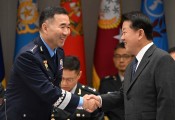
The message comes as South Korean President Lee Jae Myung is scheduled for his first summit with US President Donald Trump in Washington on Monday, with economic and industrial cooperation expected to be the key agenda.
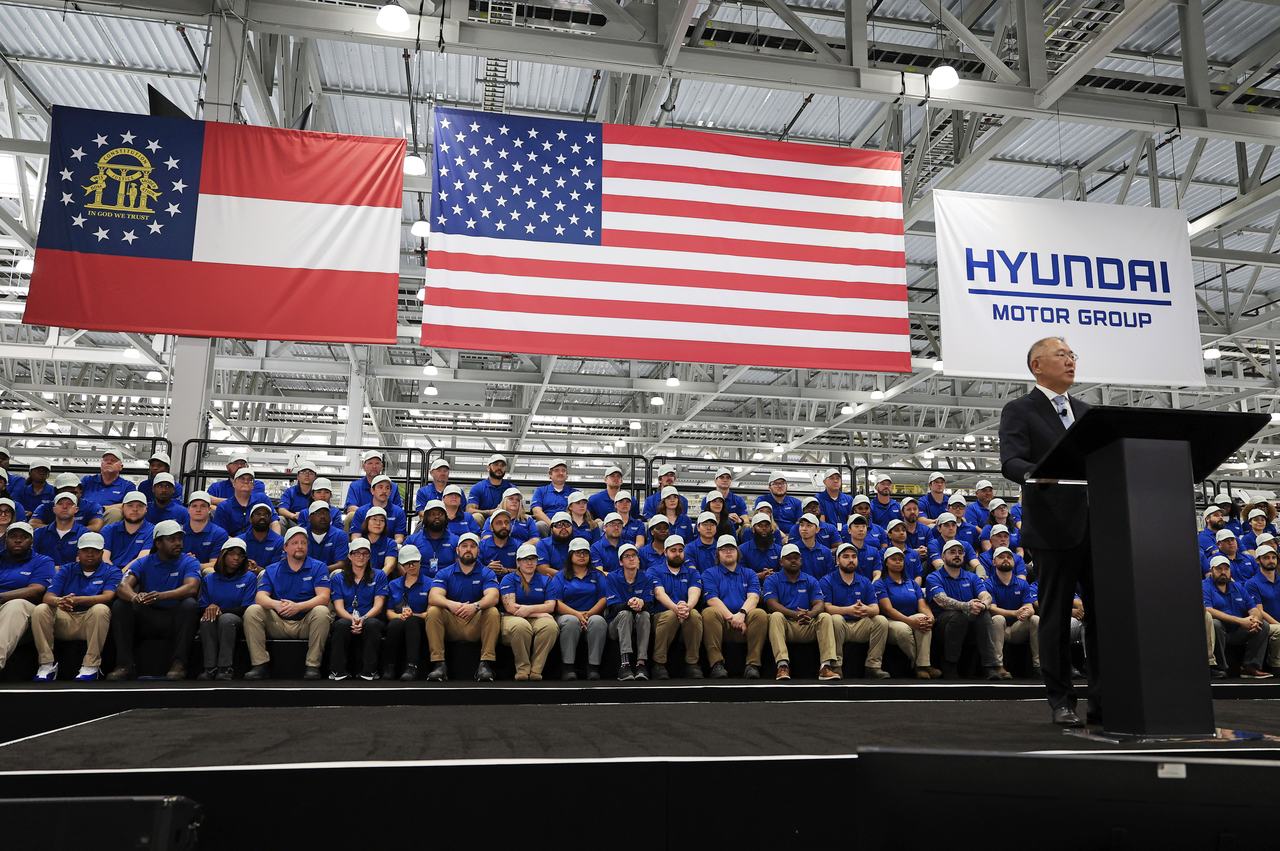
In the Newsmax commentary, Carter pointed to Hyundai Motor Group’s “monumental” $21 billion investment in the US, including a $7.6 billion electric vehicle plant in Bryan County, Georgia -- the largest single economic development project in the state's history. The facility will produce 500,000 electric and hybrid vehicles annually for the Hyundai, Kia and Genesis brands.
“South Korea is not just an ally ― it's a critical partner in building America’s future,” said Carter.
He also noted that Kia’s facility in West Point, Georgia, which produces 350,000 vehicles annually, has helped reduce the local unemployment rate from 14 percent to 3.2 percent.
In Louisiana, Landry praised Hyundai’s plan to build a $5.8 billion steel plant, which will create 1,400 well-paying jobs and supply steel for Hyundai’s Metaplant in Georgia. He stressed that the project continues South Korean companies’ growing presence in the state, following projects like Lotte’s $3 billion petrochemical facilities in Lake Charles.
“These are not just business deals, they are also blue-collar victories for American workers and their families,” Landry said on The Washington Times. “These are jobs for Louisiana welders, pipefitters, engineers and machinists. These are paychecks that support families from Baton Rouge to New Orleans. This is about our people building our future.”
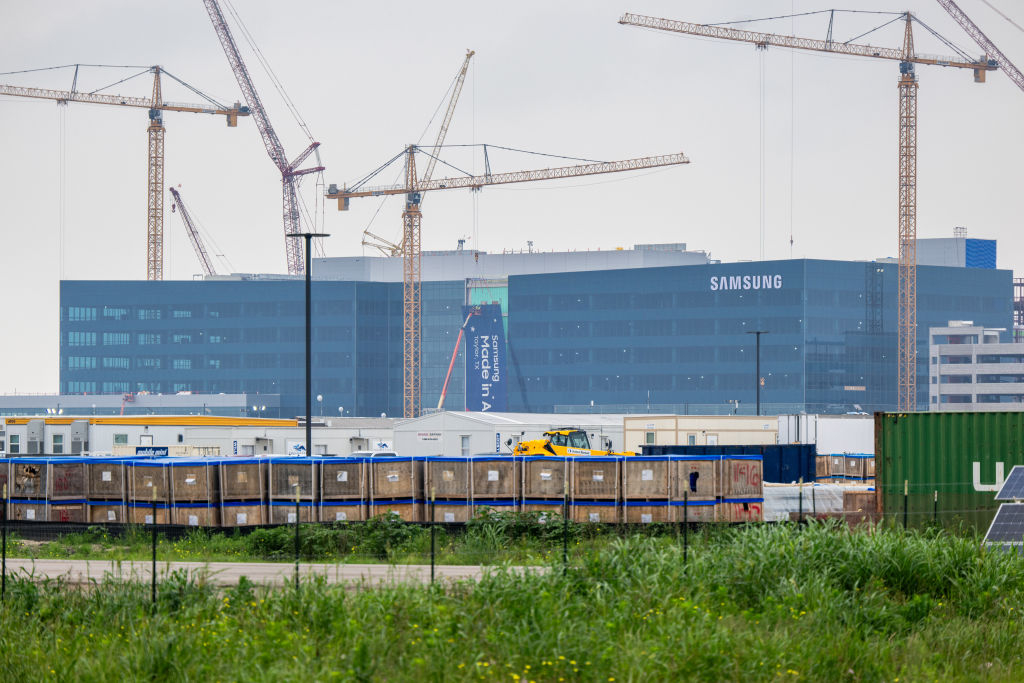
Similar stories are playing out across the South. Carter pointed to Samsung Electronics’ investments in Texas, which has poured $18 billion in the southern state to manufacture semiconductors, fueling innovation for nearly three decades.
“Building on this legacy, it has committed to invest an additional $37 billion to bolster domestic production of advanced semiconductors critical for cutting-edge technologies like AI and high-performance computing used in key industries like automotive and defense,” said Carter, noting that the investments have created over 15,500 jobs while reducing America’s dependence on foreign-manufactured semiconductor chips.
In Tennessee, Hankook Tire, which opened its first North American plant in Clarksville under the first Trump administration, is doubling its capacity with a new $1.6 billion investment that will add 1,200 jobs. Nearby, LG Chem is building a $3.2 billion battery production facility that will create 860 high-paying jobs.
Both officials also emphasized South Korea’s deepening role in US shipbuilding and defense, noting that Korean investments are helping bolster national security.
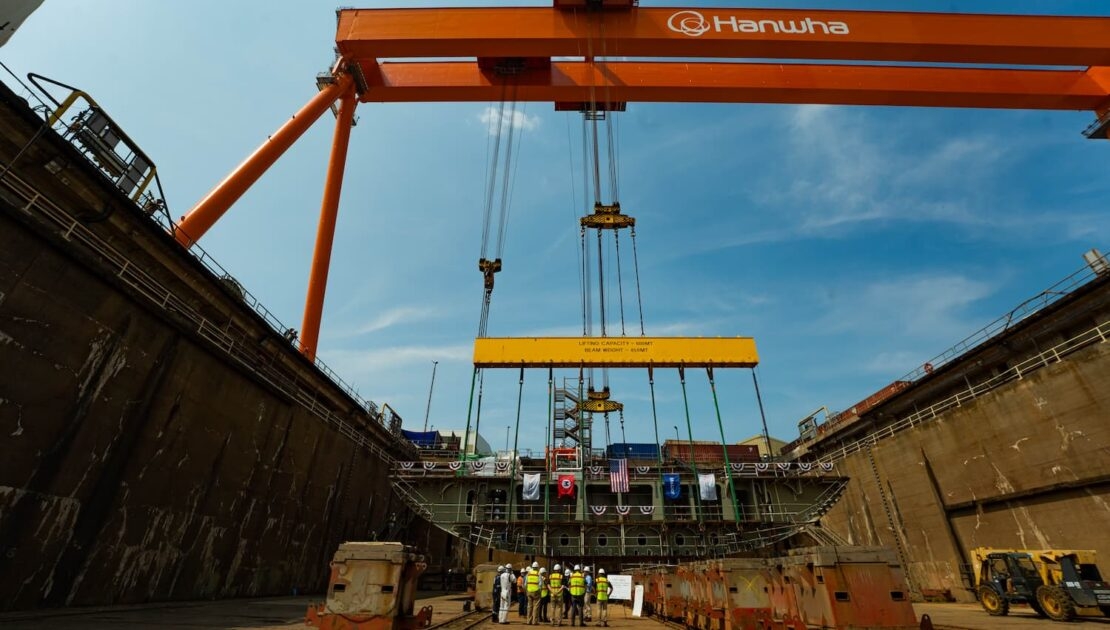
Hanwha Group's $100 million purchase of the Philly Shipyard, marking Korea's entry into the US shipbuilding industry, aims to tackle a $1.8 billion maintenance backlog on US Navy ships and help restore fleet readiness, officials said.
“Let’s not kid ourselves: China’s shipyards are cranking out more naval and commercial ships than any other country, and the People’s Liberation Army Navy is now the largest by ship count. That is a direct challenge to American security and one we cannot afford to ignore,” Landry said.
He emphasized Louisiana’s strength in the sector, with the nation’s third-largest shipbuilding capacity.
“Now, paired with South Korea’s world-class shipbuilding expertise, we are ready to help restore American maritime dominance,” he said. “Together, we can rebuild the American fleet, reduce critical maintenance backlogs and keep China in check.”
Since Trump was first elected, South Korea's investments in the US have surpassed a staggering $160 billion, said Carter.
“That investment has helped generate nearly one million new jobs with an impressive average salary of $106,000. And the momentum is only accelerating," he said. “President Trump has a unique and keen understanding of the role South Korea plays and will continue to play in our nation’s economic development."
Landry also credited Trump for the latest trade deal that spurred $350 billion in South Korean investment across the US, thanking the president for “recognizing the importance of the US-Korea relationship.”
sahn@heraldcorp.com