As the Yeol Foundation and Chanel mark their fourth year of collaboration aimed at preserving and elevating traditional Korean craftsmanship, two standout artisans are bringing the theme “Nature, As It Is” to life.
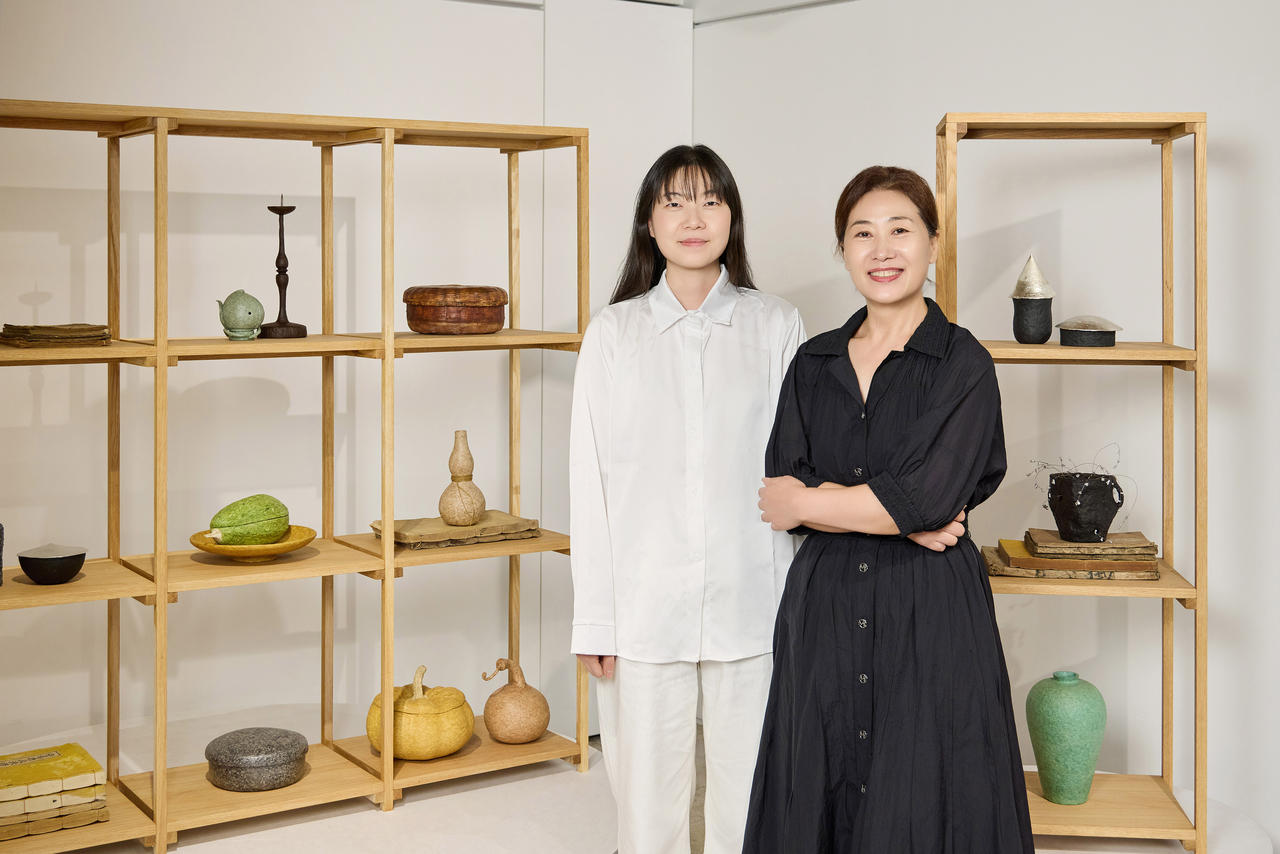
Jiho artisan Park Gap-soon, named artisan of the year, and metal craft artist Lee Yoon-jeong, young craftsperson of the year, both selected by the foundation, are the latest honorees in the Chanel X Yeol Project, which opens its annual exhibition on Thursday at Yeol Bukchonga in Seoul. Curated by internationally acclaimed designer Teo Yang, the show runs through Oct. 11 and highlights the harmony and flow between tradition and contemporary design.
Park, a designated intangible cultural heritage artisan, works with jiho, a traditional Korean papier-mache technique that uses recycled hanji paper mixed with glue to create functional objects. Her latest pieces draw inspiration from minhwa, or Korean folk painting, featuring tigers and magpies — symbols of protection and good fortune.
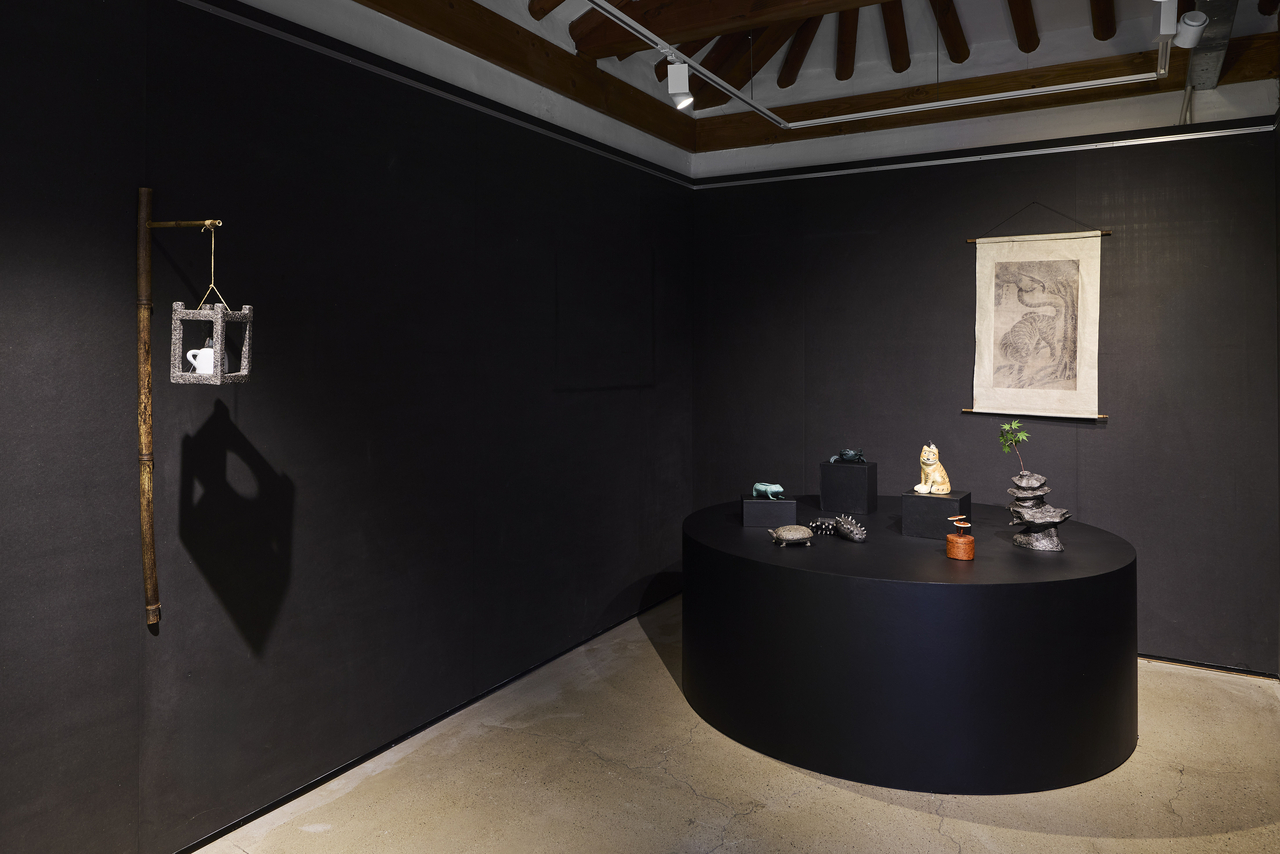
“My favorite piece is a tiger that emits smoke when blown into, reminiscent of the saying, ‘Back when tigers smoked tobacco,’” Park said. “It connects the past and the present, especially as these animals are trending again thanks to 'KPop Demon Hunters.'”
For Park, the collaboration with Teo Yang was eye-opening. “I used to think of minhwa purely as traditional art,” she said. “But Yang saw how it could be interpreted for modern use. That insight helped me bridge my craft with today’s lifestyle.”
Lee, who explores mundane and often overlooked objects through metal, took on the challenge of building her own casting system to create furniture made of tin — an uncommon feat for individual artists in her field.
“Casting is usually done in factories, and it’s difficult to access those systems as an independent artist,” she said. “This time, I wanted to take full control. That process of trial, error and persistence left a strong impression on me.”
Both artists emphasize sustainability as a central part of their practice. Park uses all-natural materials like seaweed glue and perilla oil for finishes, saying, “Jiho is inherently eco-friendly. If something is used for a long time, that’s already helping the environment.”
Lee echoed that sentiment: “Anything well-made will last. Even if I’m not explicitly upcycling, I try to make work that won’t be discarded.”
As a cultural heritage title holder, Park is also focused on passing down the tradition. “Most of my students are older, and I worry about generational transmission,” she said. “We need more young people interested in tradition.”
Asked what message she hopes to share with audiences, Park pointed to the importance of hanji, which Korea is currently seeking to register as UNESCO cultural heritage. “Without hanji, crafts like jiho and paper weaving can’t survive,” she said. “I hope more people come to appreciate it.”
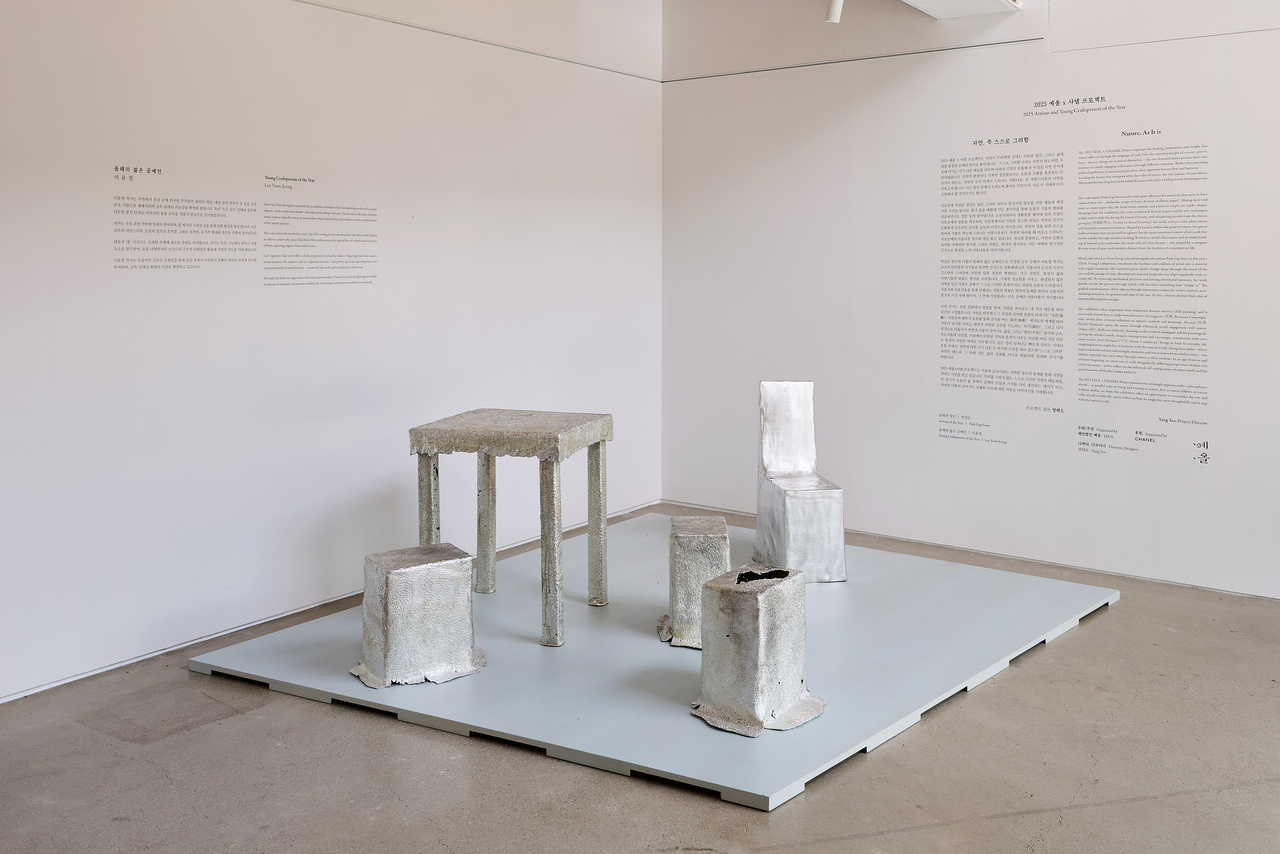
For Lee, craft is a conversation. “I like working with things people often take for granted — like nails — and turning them into something beautiful,” she said. “It’s a way to reconnect with the everyday.”
Despite challenges, Lee believes Korean crafts have always been exceptional. “The world is only now discovering what we’ve always done well,” she said. “We don’t need to change — we just need to keep going.”
yoohong@heraldcorp.com