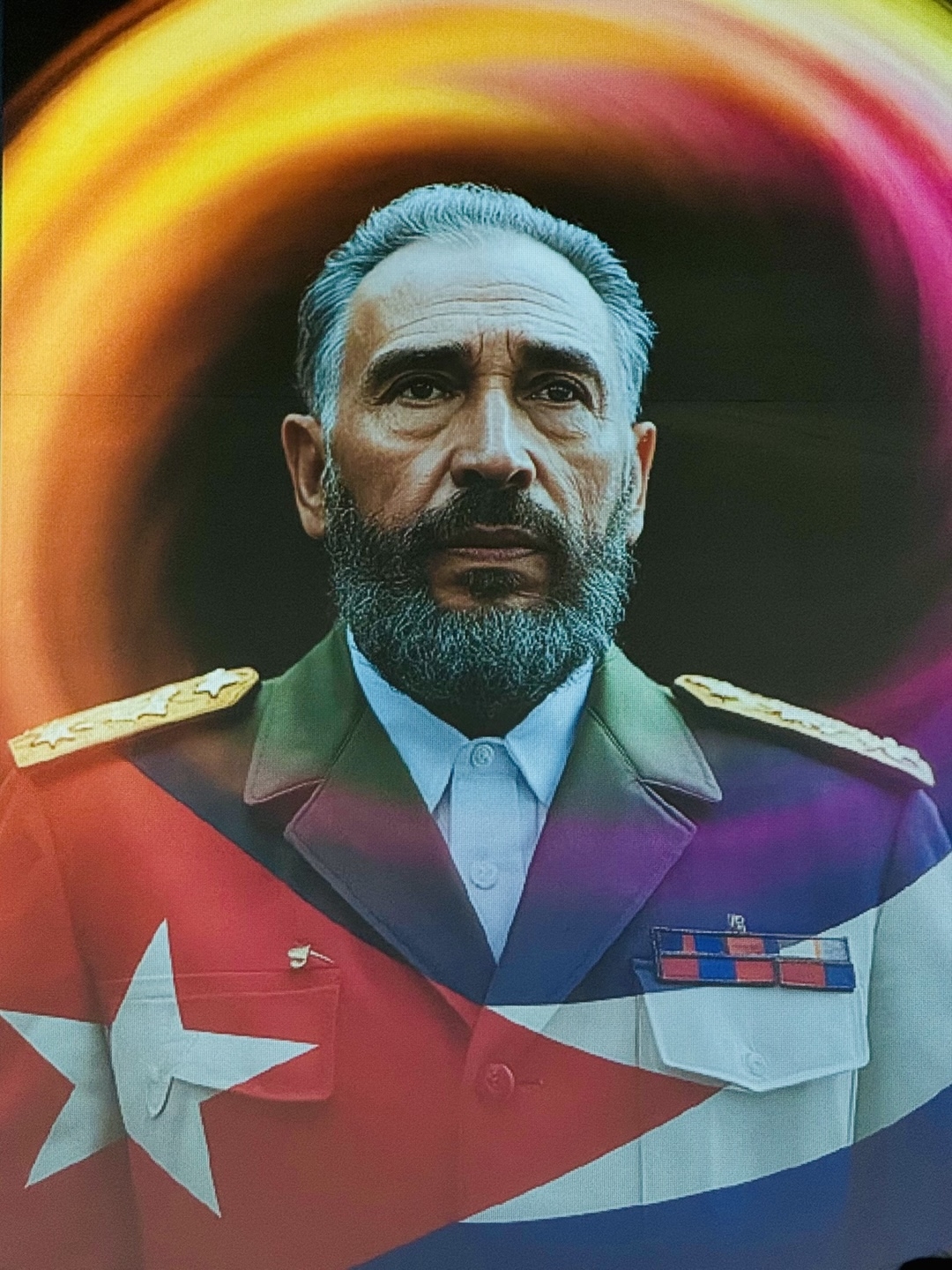
The Cuban Embassy in Seoul hosted a special book talk on Monday commemorating the 99th anniversary of Fidel Castro's birth.
In his remarks at the event, Cuban Ambassador to Korea Claudio Monzon spoke about Castro’s legacy. He pointed out that many historical figures are often overemphasized in history books. Many histories highlight the battles and struggles they achieved, while social consensus and agreement are often overlooked.
“Fidel, however, was an indispensable figure in the course of Cuban history,” he underlined.
According to Monzon, the Cuban Revolution was a people’s revolution, with the majority actively participating to achieve victory, and Castro was the leader guiding them.
But the ambassador pointed out that Cuba’s history and reality are often misunderstood due to limited cultural outreach and biased media portrayals, underscoring Cuba’s limited capacity to promote its culture.
“Our goal is not to assert a specific diplomatic stance, but to offer a new perspective through which everyone can gain a fresh understanding of Cuba,” he said.
Monzon said that understanding Castro is key to grasping contemporary Cuba, its history and broader Latin American politics, culture and global movements like the Non-Aligned Movement.
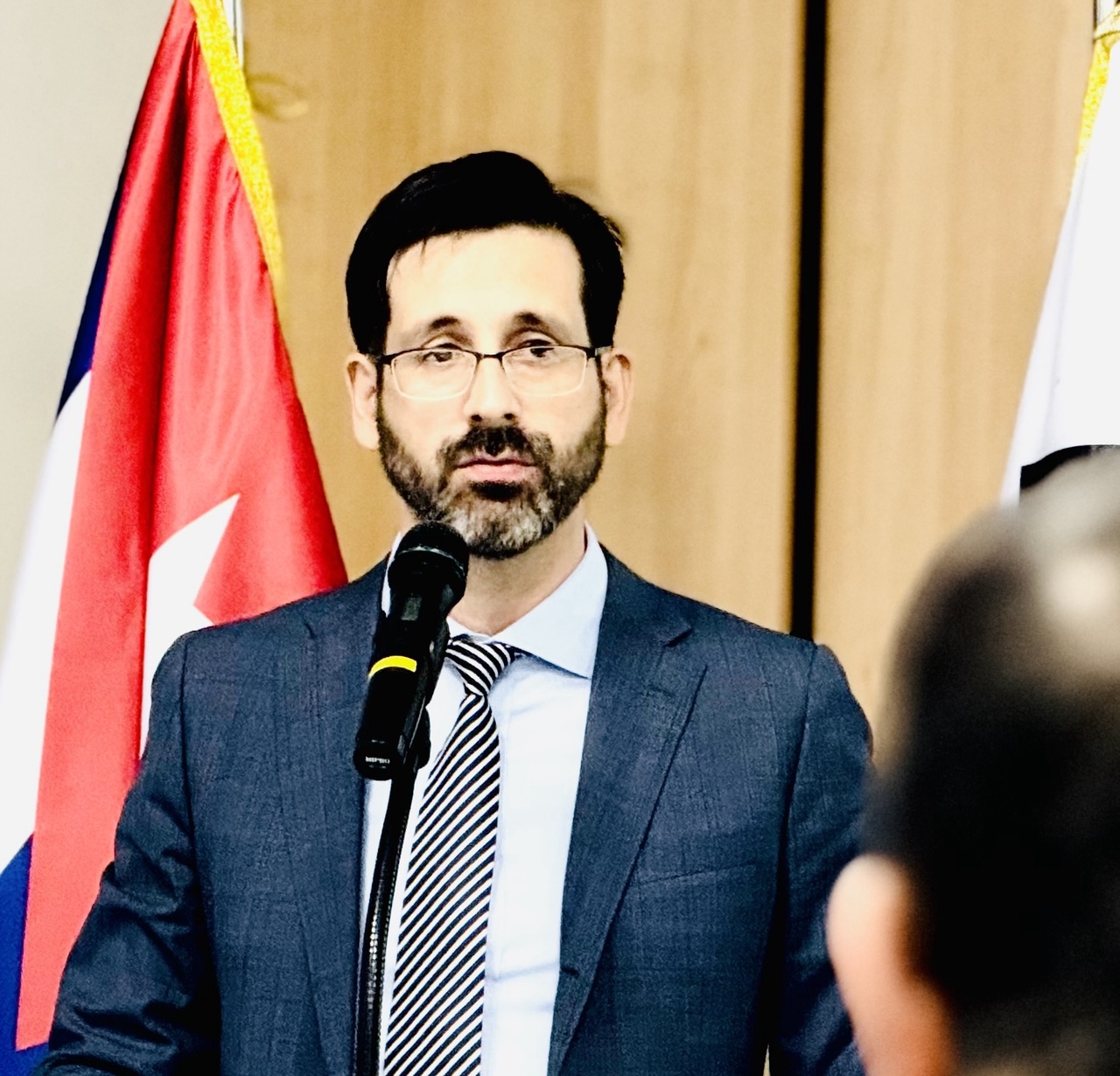
Speaking about the Korean edition of "My Life: A Spoken Autobiography" (2006), which was based on interviews of Castro conducted by Ignacio Ramonet between 2003 and 2005, Yang Seok-jin, chairperson of Hyundae Munhak, said, “The book, translated into Korean by professor Song Byeong-seon, was originally published in 2008 and provides a glimpse of 20th-century world history through Castro’s life."
The book talk was attended by several dignitaries, including Elizabeth Turruellas, national director of the Urban, Suburban and Family Agriculture Program, researchers from the Cuban International Policy Institute, professor Song, Yang, CEO Kim Young-jung and Han Byung-Kil, chair of the Korea Council on Latin America and the Caribbean.
sanjaykumar@heraldcorp.com