Committee set up to monitor sales of confiscated assets to prevent collaborators' descendants from buying ancestors' colonial-era properties
The South Korean government has established a new deliberation body to oversee the sale of assets confiscated from individuals who collaborated with Japan during its 1910–1945 colonial rule over Korea. The move is aimed at preventing descendants of pro-Japanese and anti-national figures from repurchasing their ancestors' former properties, officials said Monday.
According to the Ministry of Patriots and Veterans Affairs, a subcommittee was formed in May under the existing government committee responsible for managing funds related to patriotic martyrs and independence fighters, as defined by the relevant law.
The subcommittee will closely examine each asset sale, with a focus on whether the assets are being sold to relatives of the original owners.
A comprehensive review will be conducted on the 842 pieces of confiscated land, with special monitoring slated for 118 properties that have been deemed likely to be sold to the collaborators' relatives. A factor to be considered by the committee is whether the land in question houses the grave of the collaborator, which would suggest a stronger incentive for family members to reclaim the property.
Legacy of colonial collaboration lingers
In 2011, South Korea enacted the Special Act on Asset Confiscation for Pro-Japanese and Anti-National Collaborators to the State, targeting those who collaborated with the Japanese imperialist government and aided its oppressive rule of the Korean Peninsula. Those who participated in the independence movement, or have acquired the assets by paying a fair sum, are excluded.
While many independence fighters and their descendants lived in poverty, having sacrificed their possessions and personal life to the national cause, pro-Japanese collaborators were granted titles of nobility and economic privileges in exchange for their loyalty to the Japanese Empire, allowing them to accumulate significant wealth during the colonial period. A government-led investigation was conducted in 1948-1949 after Korea was liberated, but most of the powerful collaborators escaped punishment due to the complicated political and international circumstances of the time.
Last year's parliamentary audit showed that out of the 341 assets of pro-Japanese collaborators that were confiscated and sold by the state from 2009, 12 were bought by the collaborator's descendants. This includes land confiscated by the family of the notorious collaborator Go Yeong-hui, who cooperated with Japan's annexation of Korea.
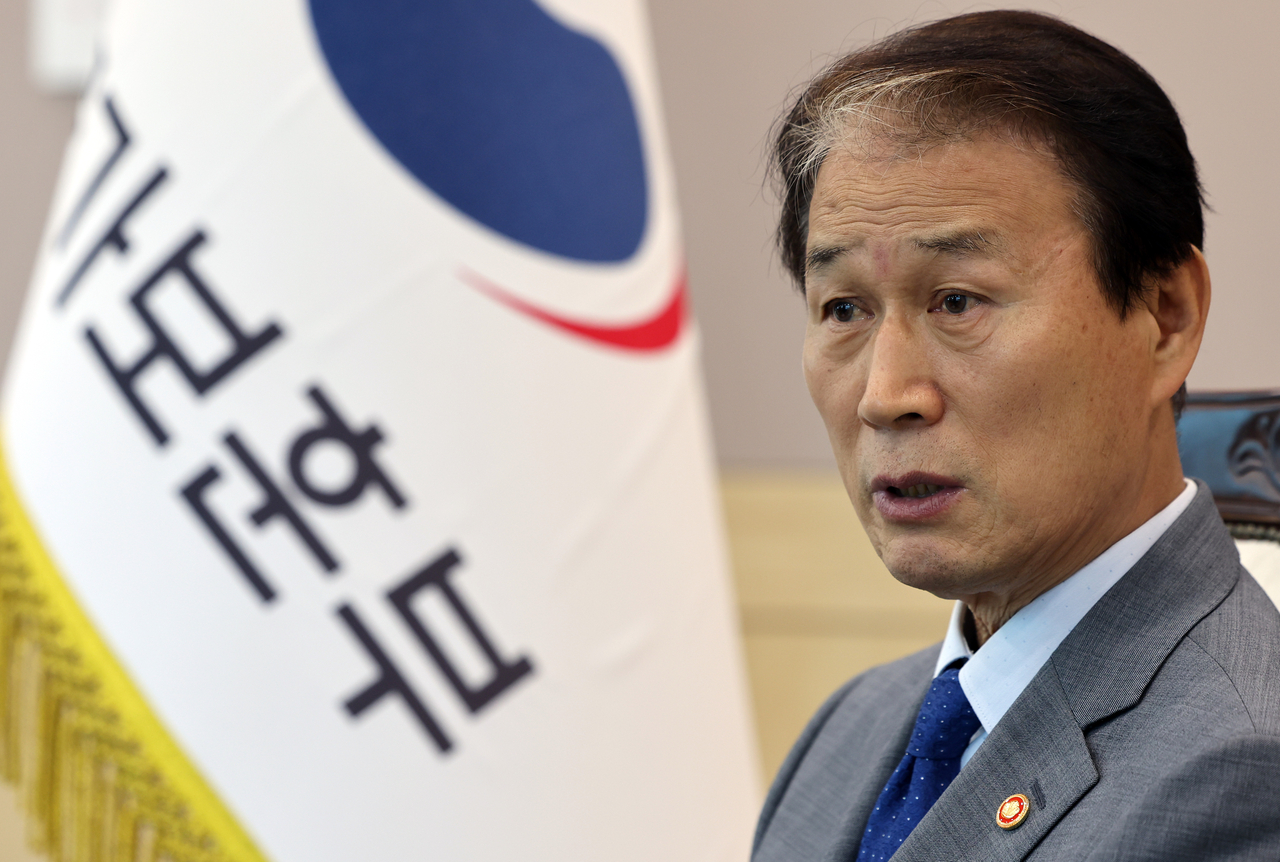
"(The ministry) will thoroughly manage sales of the confiscated assets of the pro-Japanese collaborators, and make sure that the support and proper treatment of the patriots and their descendants will not be overlooked," said Minister of Patriots and Veterans Affairs Kwon Oh-eul.
minsikyoon@heraldcorp.com