
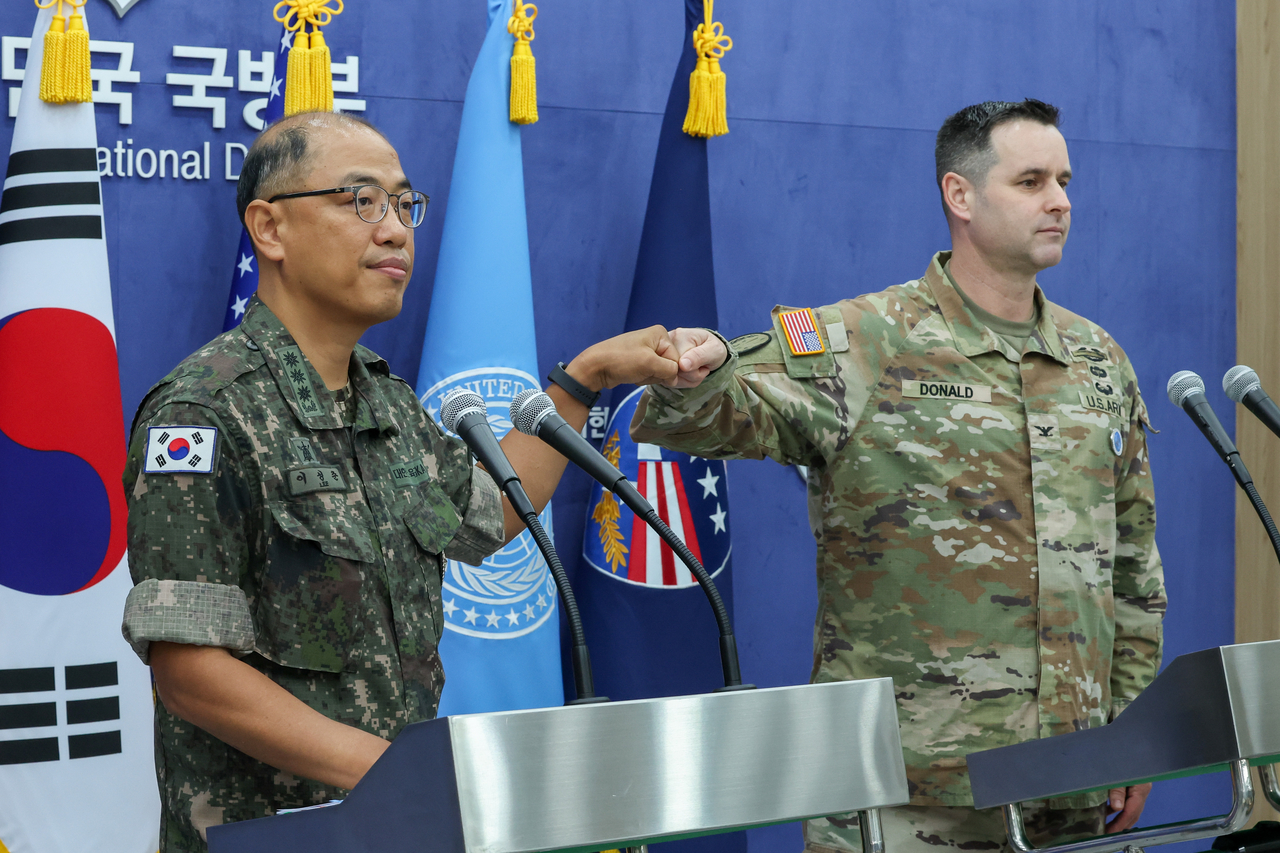
South Korea and the United States will proceed with their annual Ulchi Freedom Shield joint military exercise as planned from Aug. 18-28, though about half of the associated field training exercises will be rescheduled to September due to extreme heat, the militaries of both nations said Thursday.
Col. Lee Sung-jun, spokesperson for South Korea's Joint Chiefs of Staff, said that out of some 40 planned outdoor drills, around 20 will be moved to September.
"In light of the extreme heat and the need to maintain a balanced readiness posture year-round, South Korea and the United States agreed to adjust some of the drills to September after close consultations," he said.
He stressed that the rescheduling was not a reduction in scope, noting that most of the postponed drills involve battalion-level training, such as airfield defense, recovery and equipment maintenance exercises.
The core components of UFS — including the computer-based command post exercise, field training exercises directly linked to the UFS scenario, and drills involving US augmentation forces — will proceed as originally scheduled.
The adjustment comes amid growing expectations that the Lee Jae Myung administration may seek to soften military activities within the South Korea-US alliance. On July 28, Unification Minister Chung Dong-young said he would propose to President Lee that the combined exercise schedule be modified.
A high-ranking Unification Ministry official who declined to be named also said, "A modification was made," ahead of the JCS briefing Thursday morning.
"North Korea" was omitted from the official joint statement announcing the exercise, released on the same day.
The JCS spokesperson, however, dismissed claims that the omission reflected a conciliatory approach toward Pyongyang on the part of the Lee Jae Myung administration, noting that terminology varies every year.
"It was also omitted in the 2022 and 2024 statements. The wording is determined through mutual consultation between South Korea and the US," Lee said, noting that similar cases occurred during the conservative Yoon Suk Yeol administration.
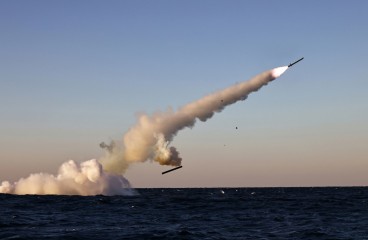
While drills to counter North Korea's missile threats will be held, scenarios involving the North’s actual use of nuclear weapons are not part of this year’s exercise, he added.
US Forces Korea spokesperson Col. Ryan Donald emphasized that the quality of training is what matters most in building readiness.
"We remain focused on our objectives, which are clear: to maintain peace and security on the Korean Peninsula, ensure our combined forces are ready to respond to a variety of threats — from hybrid and conventional to weapons of mass destruction — and address broader regional challenges," he said.
The exercise will incorporate lessons from the modern battlefield, including drone, cyber and space threats, while also factoring in growing military cooperation between Russia and North Korea.
About 18,000 South Korean troops will take part, similar to last year, along with US forces and United Nations Command members. The Neutral Nations Supervisory Commission will also monitor compliance with the armistice.
The allies emphasized that the upcoming drills are "defensive in nature."
flylikekite@heraldcorp.com