

Despite a recent wave of bomb threats targeting major retail outlets in South Korea this week, data reveals that fewer than 1 in 10 suspects arrested under the country’s new public intimidation law have been formally detained.
In the five months since South Korea criminalized threats against the general public, police have arrested 48 people, but only four have been jailed, according to data released Wednesday by the Korean National Police Agency. The law, which came into force on March 18, was designed to fill a legal gap exposed by a string of violent threats in 2023 that authorities struggled to prosecute.
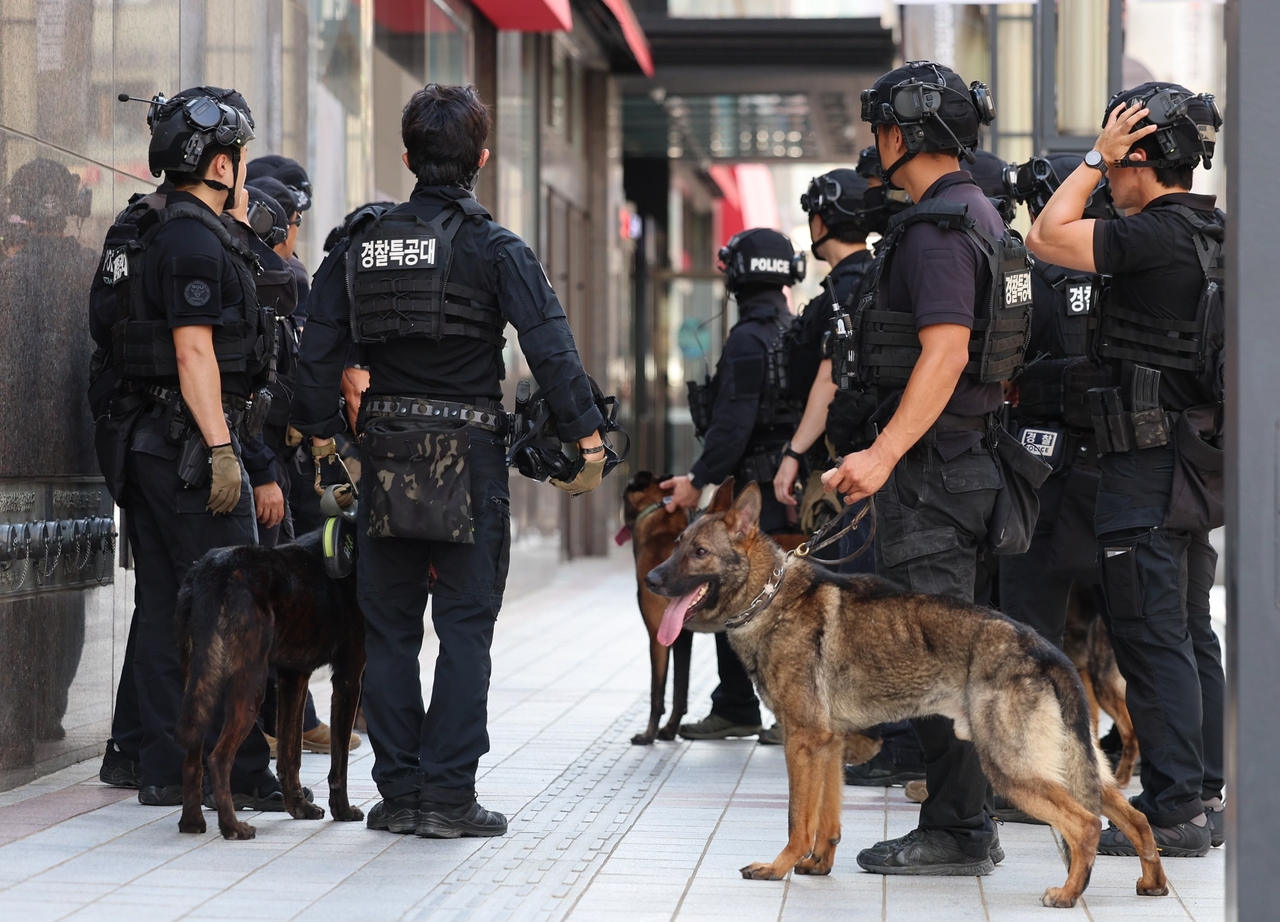
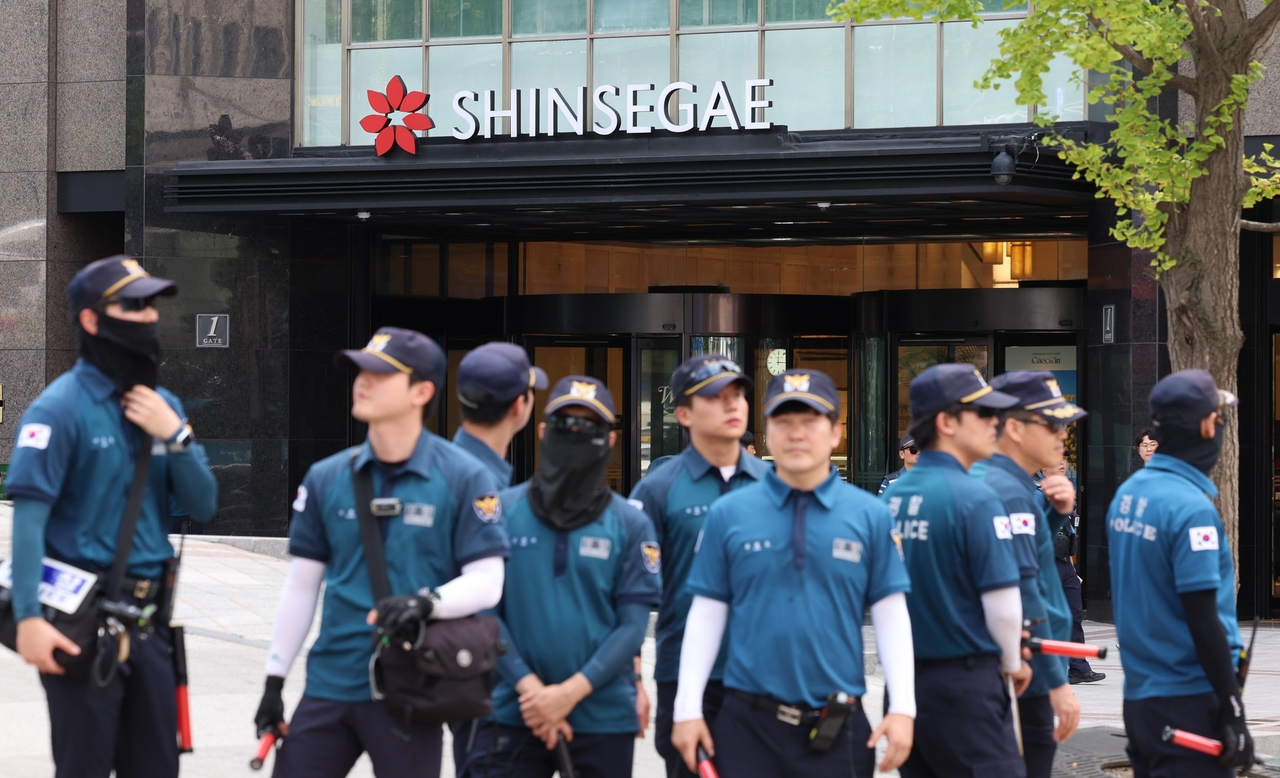
This week’s bomb scare at Shinsegae’s flagship department store in central Seoul's Myeong-dong showed the stakes. After a 13-year-old posted an online threat claiming he had planted explosives, more than 4,000 people were evacuated. Police special units were dispatched. No explosives were found, but the disruption was real.
A day later, a second threat vaguely targeting Shinsegae stores appeared in a YouTube comment without specifying a location, prompting searches of multiple Shinsegae shopping centers in Gyeonggi Province. Police traced and arrested the suspect within hours, but again, no bomb was discovered.
Both individuals are under investigation for violating the public intimidation law.
The law, passed by the National Assembly in February, targets threats aimed at unspecified groups or the public at large. Offenders can face up to five years in prison or a fine of up to 20 million won ($14,500). Of those arrested, 77 percent have been referred to prosecutors, but many cases have not moved forward.
The legislation was introduced after a 2023 stabbing spree near Sillim Station in Seoul, which triggered a wave of copycat threats online. At the time, police had no clear legal grounds to act swiftly against vague but alarming posts targeting crowded places or general populations.
mjh@heraldcorp.com