
Gyeonggi Province, which surrounds Seoul and is home to over 13 million people, is rolling out a new strategy in hopes of attracting more international tourists.
Despite being one of South Korea’s most accessible regions from the capital, trouble navigating often keeps foreign visitors away.
In an attempt to address the situation, the province announced its “3.3.5.5 Strategy."
Despite its size, access to the DMZ, and proximity to Incheon Airport, Gyeonggi Province’s share of foreign visitors dropped from 14.9 percent in 2019 to around 10 percent in 2024, according to data from South Korea’s Ministry of Culture, Sports and Tourism. Seoul's share has long held at around 80 percent.
Meanwhile, the country’s tourism landscape has changed. Over 80.5 percent of foreign tourists in 2024 were Free Independent Travelers — those who plan trips on their own rather than booking through a group tour. In 2019, FITs made up 77.1 percent. Gyeonggi now wants to target this growing segment.
The strategy sets four measurable goals:
- Boost international visitor share from 10 to 30 percent.
- Increase average stays from 2.13 days to 3 days.
- Raise spending per tourist from 350,000 won to 500,000 won (about $215 to $360).
- Improve the repeat visitation rate from 34 to 50 percent.
Why Gyeonggi gets overlooked
The paradox is that Gyeonggi is geographically convenient, but functionally inaccessible.
Booking regional buses and trains often requires Korean-language apps or domestic credit cards. Car rentals are available, but GPS systems and maps are primarily designed for local users. Google Maps still lacks turn-by-turn navigation in Korea. Korean apps like Naver Map and Kakao Map support English, Chinese and Japanese, but often fall short for tourists unfamiliar with Korean signage or cultural context.
These barriers help explain why South Korea, despite ranking No. 14 overall in the World Economic Forum’s 2023 Travel and Tourism Development Index, landed at No. 60 in tourism services and infrastructure.
What the province plans to fix
To address this, Gyeonggi Province is working with national tourism agencies, universities, and research institutes to develop and execute a four-part action plan. It includes:
- Improved transportation: more shuttle buses, FIT-friendly day tours, a new tourist taxi system, and a dedicated Gyeonggi tourism center in Seoul.
- Better digital tools: smarter booking platforms and information services for foreign users.
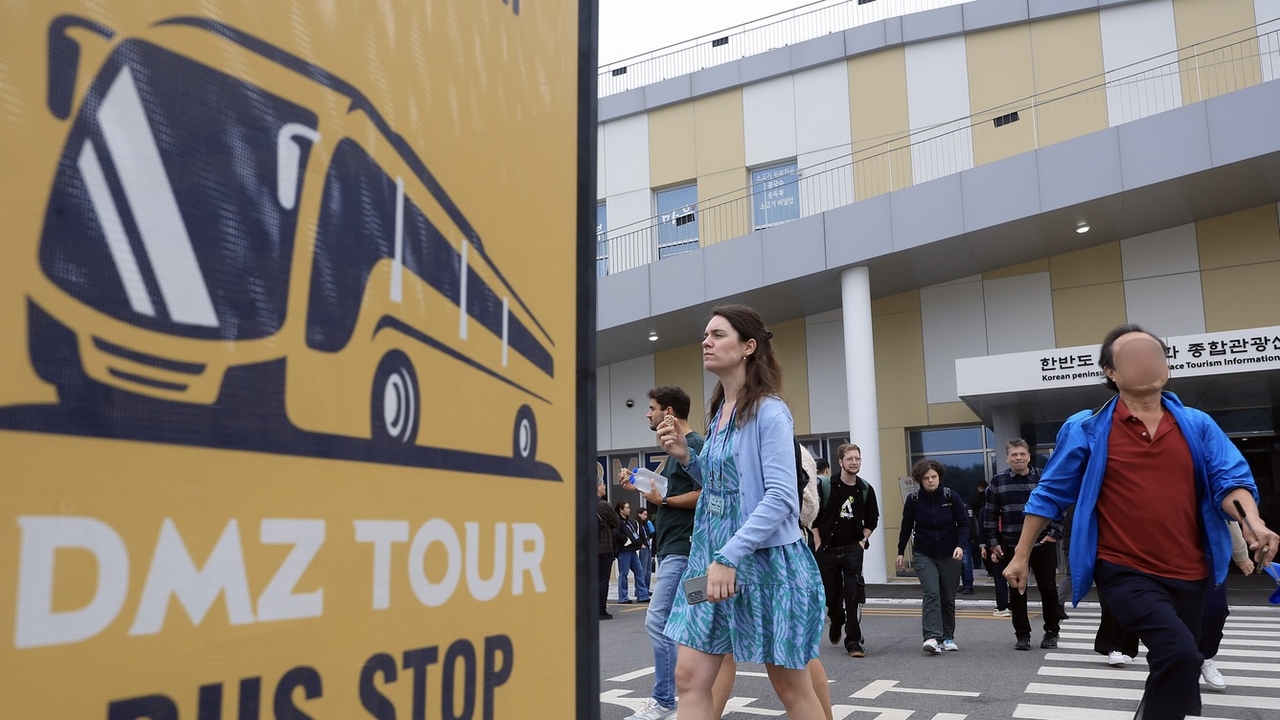
- Expanded experiences: DMZ tours, regional food programs, and new outdoor and industrial tourism offerings.
- Targeted marketing: a global tourism brand and campaigns focused on younger travelers.
Officials say implementation will begin in 2026, starting with high-impact projects. The province also plans to work with Seoul and Incheon to create a regional tourism network and is pushing the national government to ease lodging and transportation regulations.
“Our goal is to make Gyeonggi Province a place where international visitors can explore freely and comfortably,” said Jang Hyang-jeong, the province’s tourism policy director. “We want them to discover that Korea is more than just Seoul.”
mjh@heraldcorp.com