

Overloaded extension cord blamed for Busan fires that killed four children
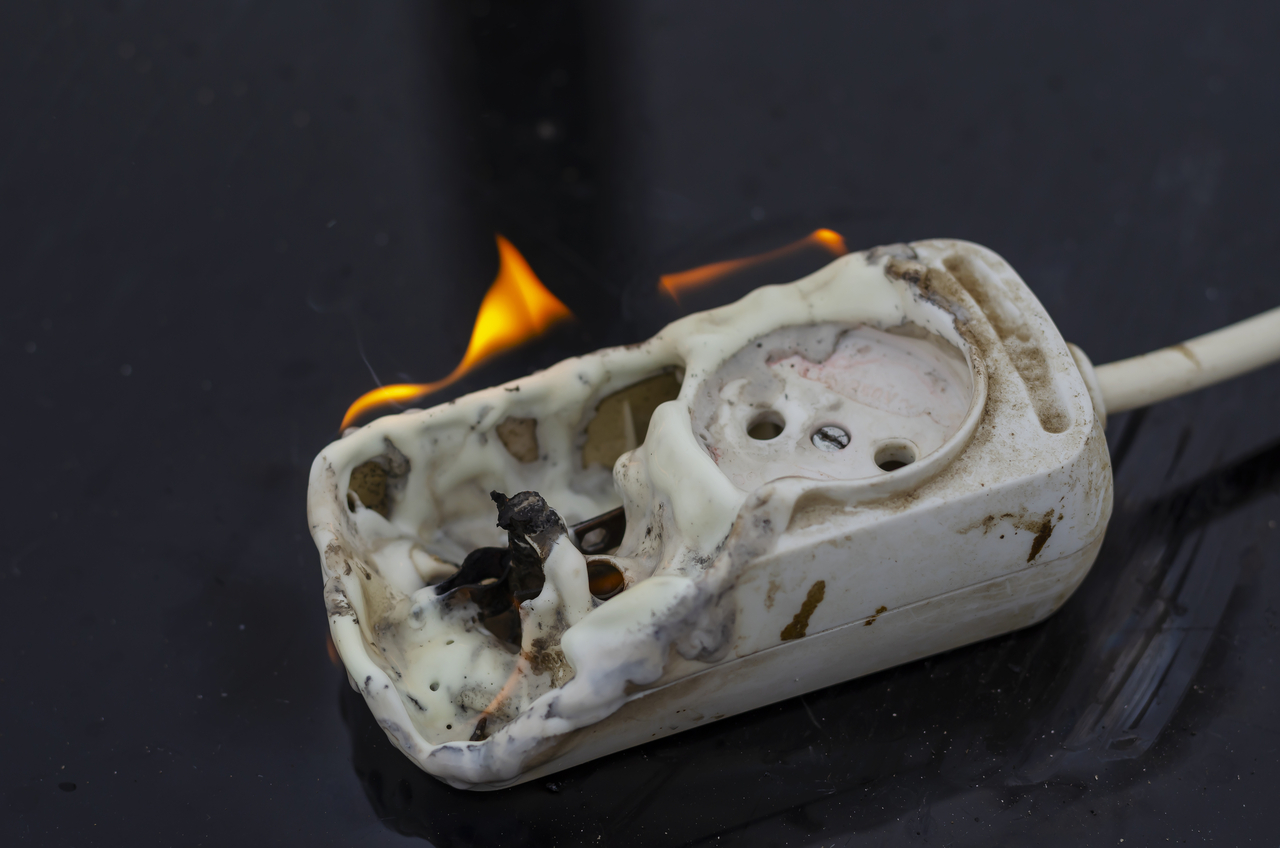
This summer, one simple mistake could cost you your home: Never plug an air conditioner into a power strip. Always use a wall outlet instead.
That simple habit could mean the difference between a safe home and a fatal fire. With temperatures climbing across South Korea and air conditioners working around the clock, fire officials are sounding the alarm about the growing danger of electrical fires caused by misused power strips, also known as multi-outlet extension cords.
In Busan alone, two separate apartment fires in the last two weeks killed four children. In both cases, investigators believe the fires began with overloaded extension cords.
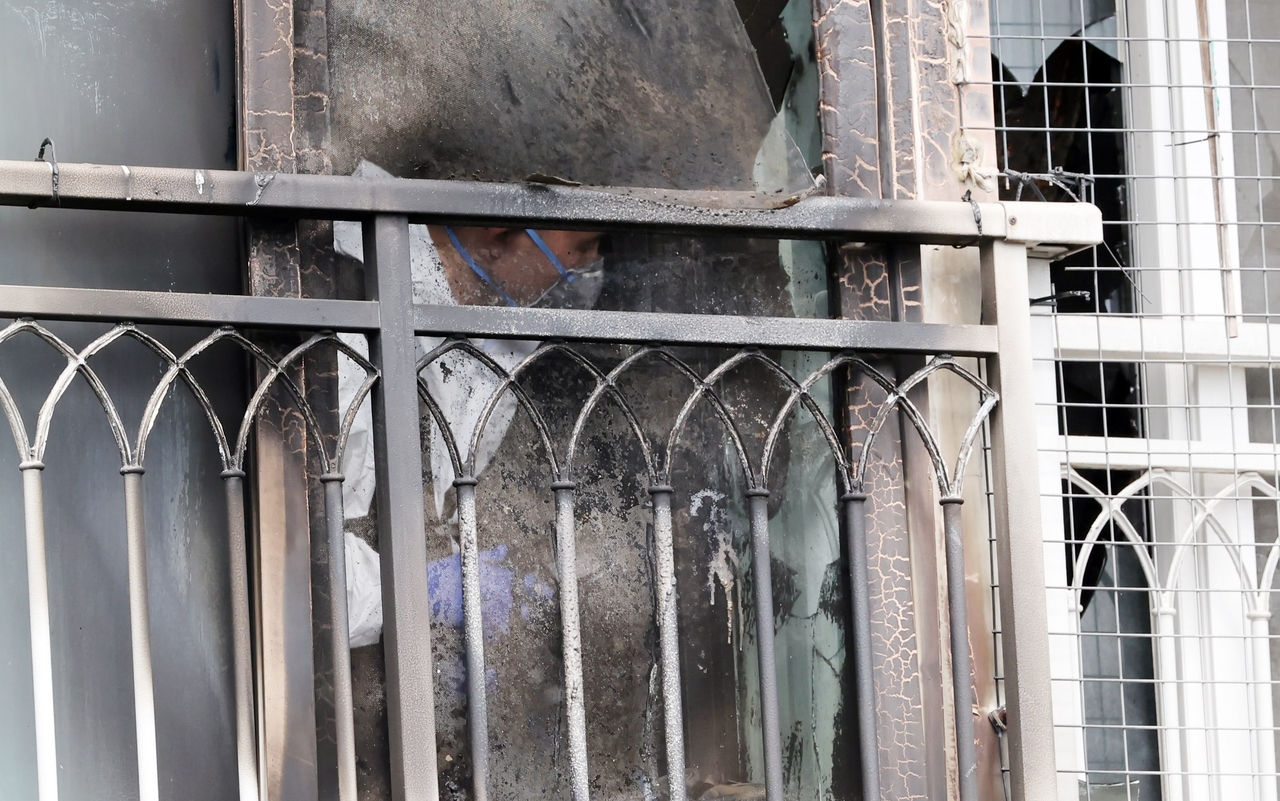
On July 2, a fire in Gijang County in Busan claimed the lives of two sisters, aged 9 and 6. According to the Busan Fire Department and local police, a dual-socket power strip connected to both a standing air conditioner and its outdoor unit showed signs of electrical shorting. The power strip was too damaged in the fire to confirm its certified electrical capacity.
Just nine days earlier, a similar fire in the city's Busanjin District killed two sisters aged 10 and 7. Authorities found multiple devices, including a desktop computer, plugged into a single power strip that likely overheated.
Fire safety experts say these deaths were preventable. Most extension cords are not built to handle high-wattage appliances. When used incorrectly, especially during a heat wave, the risks multiply.
According to the Korea Consumer Agency’s 2022 safety guidelines:
- Never plug large appliances like air conditioners, refrigerators, or washing machines into a power strip. Use a wall outlet instead.
- Avoid overloading power strips with multiple devices at once.
- Check the rated voltage and current listed on the back of the product before using it.
- Do not daisy-chain extension cords by plugging one strip into another.
- Replace cords that are frayed, damaged, or overheating.
Busan’s fire data backs up the warning. From 2020 to 2024, nearly 30 percent of residential fires in the city (6,971 out of 23,547) were caused by electrical issues. Fires tied specifically to outlets rose 27 percent over five years.
In response, the Busan Fire Department will conduct a live fire safety test Thursday to show how easily faulty or overloaded power strips can ignite.
The National Fire Agency also issued a national fire risk advisory on last Friday, citing increased fire activity linked to surging electricity demand during the heat wave.
mjh@heraldcorp.com