Trade deal to serve as catalyst in deepening Georgia–Korea economic ties, says Georgian deputy environment minister
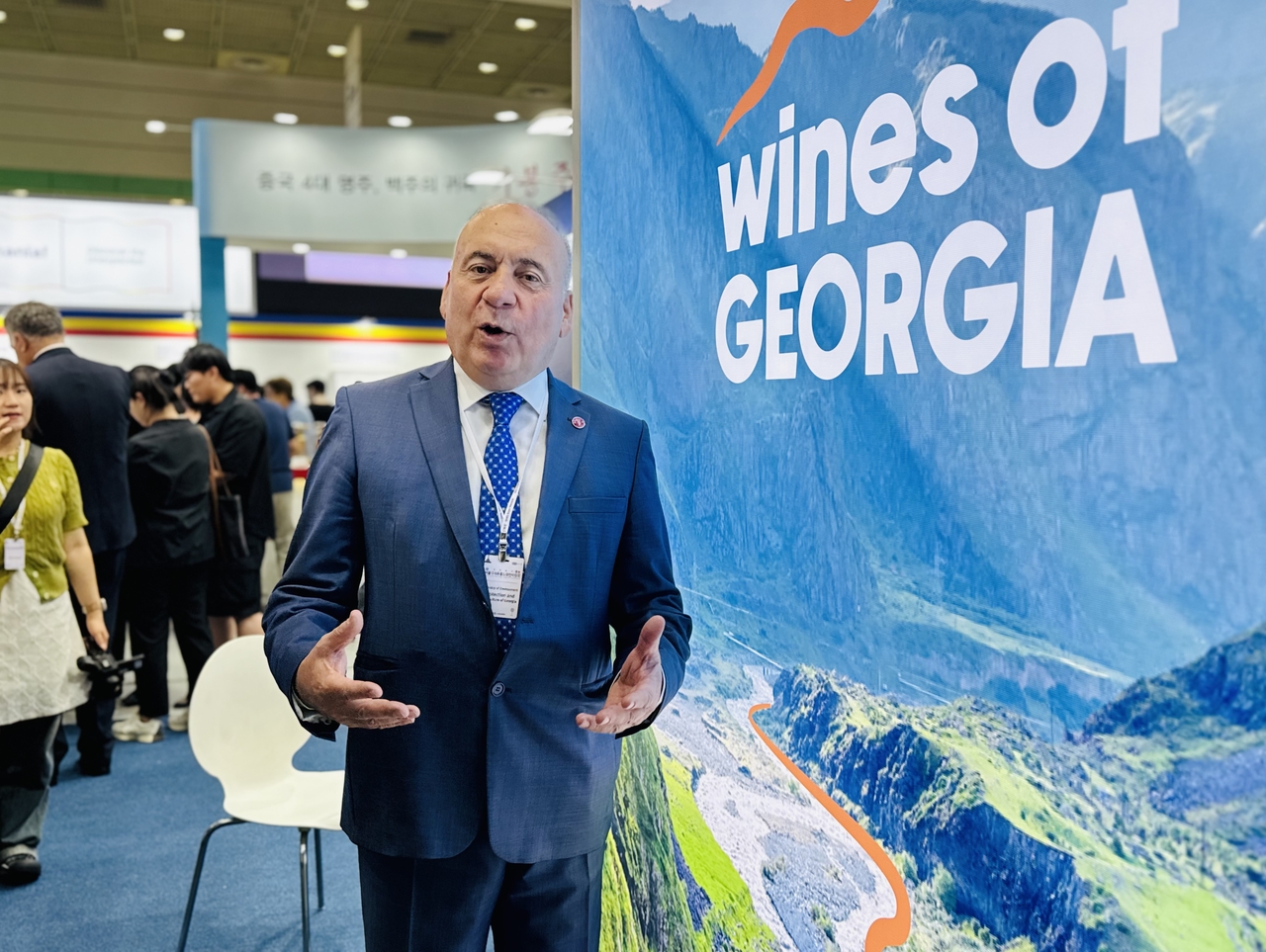
The southeastern European country of Georgia views South Korea as a strategic market for wine exports, ranking just behind the US in attractiveness, according to the country's Deputy Minister of Environmental Protection and Agriculture Solomon Pavliashvili, in an interview with The Korea Herald on Thursday.
According to Pavliashvili, wine imports to Korea are growing at a steady 6 to 7 percent annually, with Georgia exporting 72,584 liters in 2024 — a 26 percent rise from 2023 —earning $335,000.
The most popular Georgian wines in Korea are red semisweet varieties, with over 32,000 bottles in 2024, followed by dry red (19,582 bottles) and dry white wines (15,096 bottles), Pavliashvili told The Korea Herald.
“Korea has become one of the most vital countries for popularizing Georgian wine,” said Pavliashvili, referring to the attendance of the National Wine Agency in Korea since 2019.
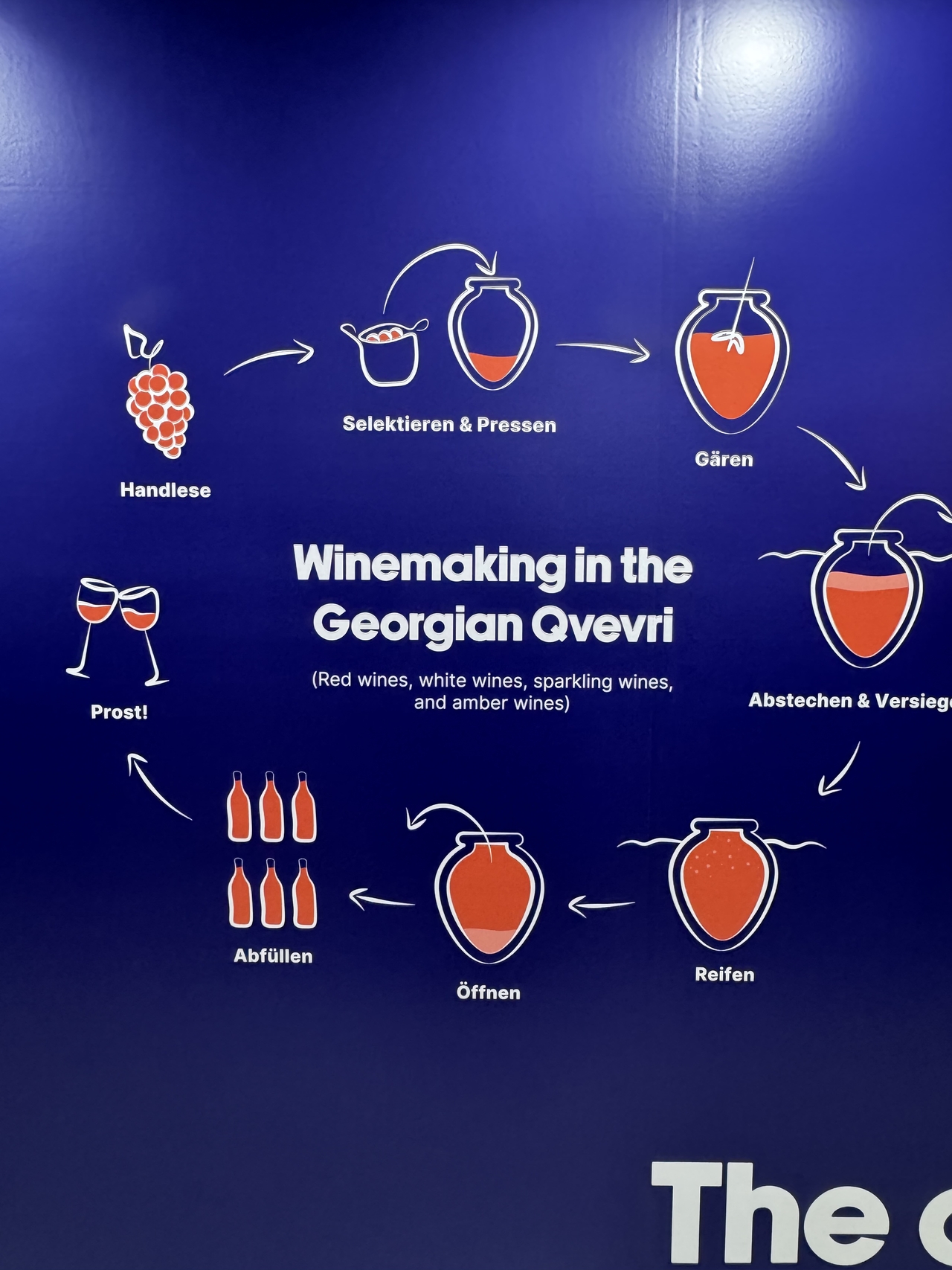
He described wine as a vital element of Georgian identity and culture with deep roots in traditions such as the Supra feast, hospitality and ancient heritage.
Supra is a traditional Georgian communal feast celebrating local values and human connection. Georgia recognizes the feast as an intangible cultural heritage.
The number of Georgian wine producers involved increased from 15 to 20, said Solomon, citing South Korea as a vital market for Georgian wine and the Korea-Georgia free trade agreement under discussion as a key driver of future growth.
“This agreement is a catalyst for strengthening bilateral trade and economic ties. It offers a clear institutional framework for cooperation across sectors,” he said.

According to the deputy minister, once implemented, the Korea-Georgia trade deal will grant 86.8 percent of Georgian goods immediate duty-free access to Korea, rising to 93.3 percent over 10 years, while 90.6 percent of Korean products will enter Georgia duty-free, increasing to 92.6 percent in the same period.
“Notably, Georgia will be the first country for which Korea has set only a 10-year transition period, rather than its usual 20 years,” he pointed out.
Pavliashvili also highlighted the benefits for key Georgian export items, including wine, ethyl alcohol, beer, mineral water, canned fruits and vegetables, as well as beverages, which will fall under immediate tariff-free access. Industrial goods such as textiles will also benefit, with full tariff elimination after the transition period.
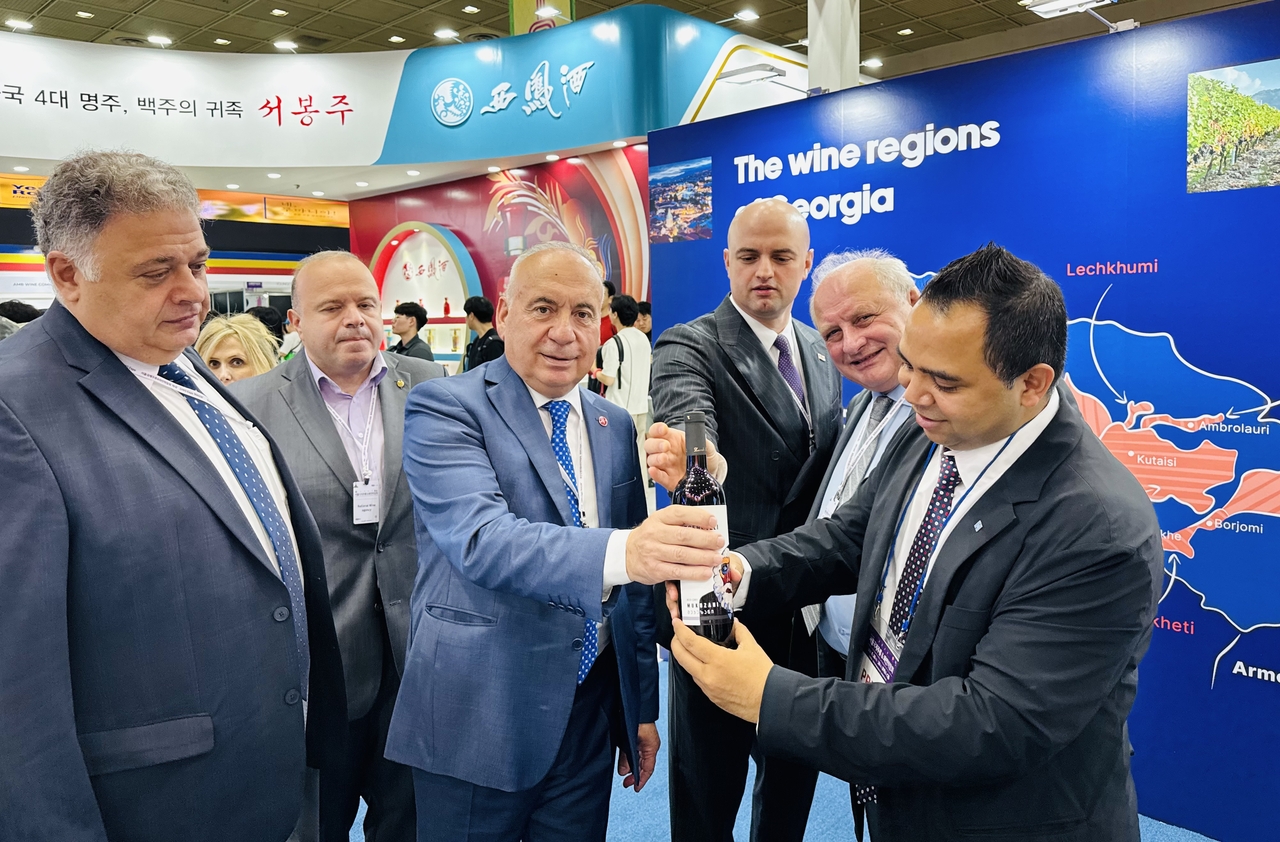
“Korea’s market has opened almost completely to products that Georgia currently produces and may produce in the future,” he explained. On the other hand, Korea will be able to export cars, cosmetics, pasta, canned goods and baby food to Georgia duty-free under the agreement.
Beyond goods, the free trade agreement will also include services, investments, intellectual property, digital trade, customs and technical regulations. “Negotiations are progressing well at the governmental level, and I am confident that we will soon conclude an agreement that will significantly deepen trade between our two nations,” Pavliashvili said.
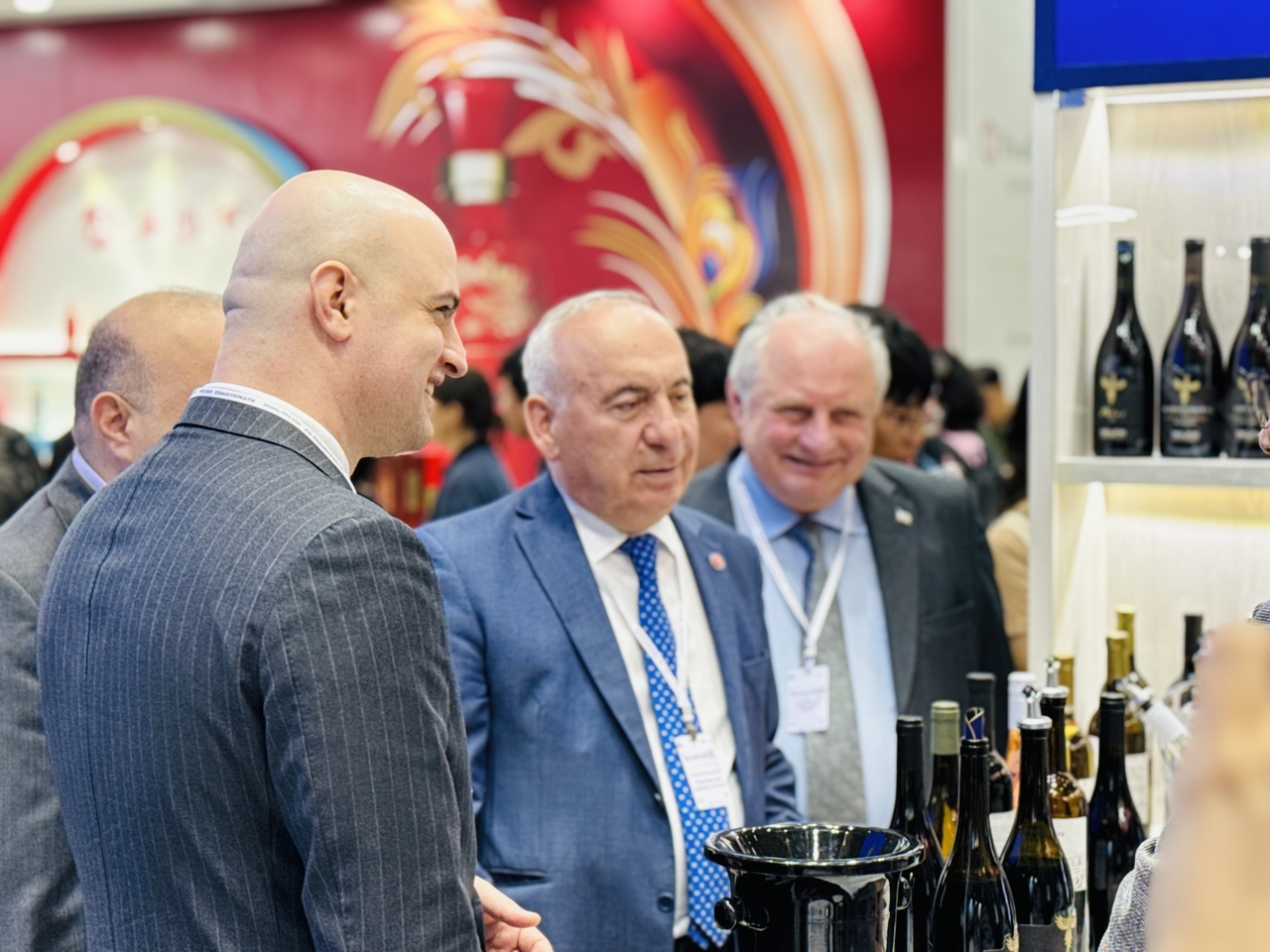
“Geopolitical uncertainties have affected global wine markets, including ours. But we are intensifying our marketing efforts every year to sustain and grow the winemaking sector.
“The strong presence of Korean consumers and potential partners at Georgian wine events confirms the rising interest in our wine and our shared goal of long-term partnership.”
sanjaykumar@heraldcorp.com