The overwhelming majority of US exports to South Korea are already tariff-free under a bilateral free trade agreement, a think tank report showed Wednesday, stressing that no "compelling" rationale has been found for the Trump administration's "reciprocal" tariffs on the Asian country.
The Korea Economic Institute of America released the report, titled "Fairness and Reciprocity? Reconsidering Trump's Liberation Day Tariffs on South Korea," which looked into whether the United States' claims about unfair South Korean trade practices are accurate.
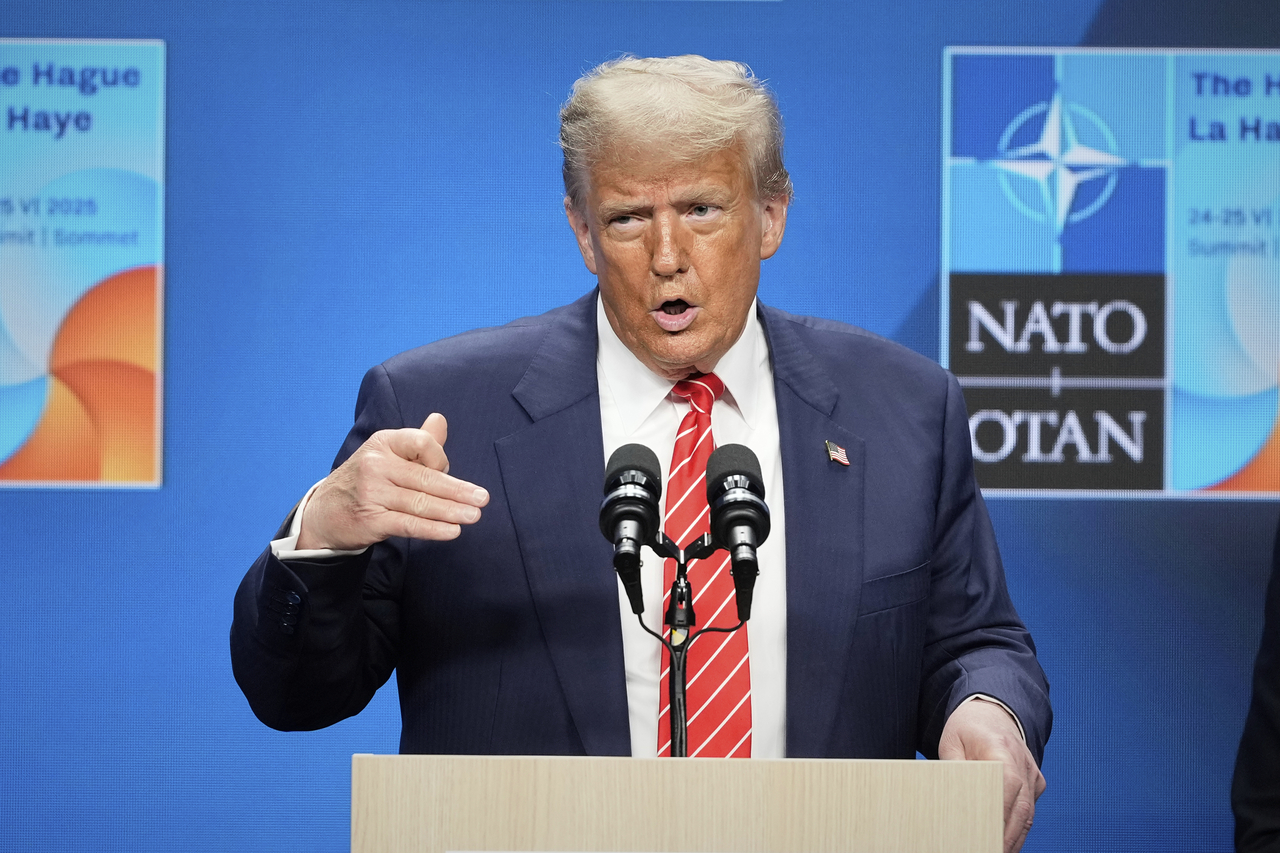
President Donald Trump announced reciprocal tariffs on April 2 -- a day that he called "Liberation Day." Meant to match what other countries impose on US exports, the tariffs, including 25 percent duties on South Korea, took effect on April 9, but Trump paused them for 90 days on the same day to allow for negotiations.
"In short, this report finds no compelling economic rationale for the Liberation Day tariff rate on South Korea," the report said. "This suggests that the tariffs are better understood as political tools rather than trade policy rooted in sound analysis."
Citing data from the Korea Customs Service and US Department of Agriculture, the report estimated that South Korea's effective weighted average tariff on US imports last year ranged between 0.19 and 2.87 percent -- a finding that challenges the much higher figures that the Office of the US Trade Representative and Department of Commerce cite.
Measured in trade value, 95 percent of US exports to South Korea are tariff-free under the bilateral FTA, with most remaining tariffs affecting a narrow range of agricultural products subject to quotas, the report said.
Of the remaining 5 percent, tariffs will be eliminated from another 4 percent of US exports to South Korea by 2026, it said.
Touching on non-tariff issues, the report took note of the fact that there are bilateral and multilateral mechanisms to address the issues "more satisfactorily" in an apparent show of concern over the US' unilateral move to address trade deficits.
"Ultimately, this report concludes that there is little need to change the US-South Korea trade relationship," it said. "It recommends resolving outstanding concerns—especially those related to non-tariff measures—through established bilateral mechanisms under the bilateral FTA rather than unilateral action."
South Korea and the US have been in consultations to reach a wide-ranging deal over US tariffs, South Korea's non-tariff barriers and economic and industrial cooperation, before July 8, when the suspension of reciprocal tariff ends.
Seoul has been seeking to avoid or minimize the impact of new US tariffs, including sectoral tariffs on steel and automobiles. (Yonhap)