
LG takes lead with Figure AI talks, Boston Dynamics partnership
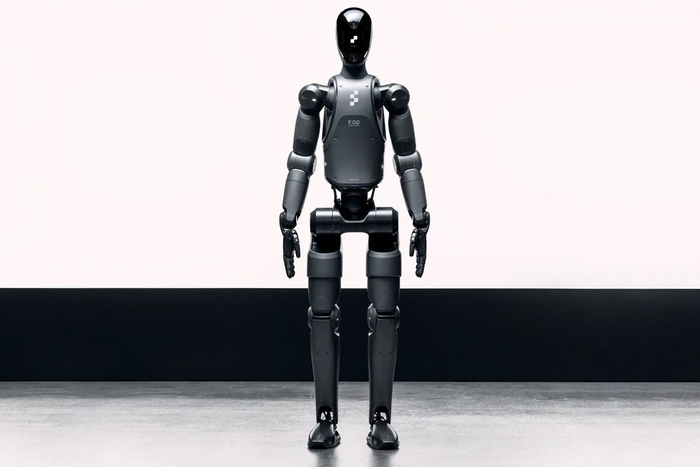
Korea's top two electronics parts makers — Samsung Electro-Mechanics and LG Innotek — are accelerating their efforts to gain an early foothold in humanoid robot camera modules, which is seen as a blue ocean market with no clear leader yet.
LG Innotek is in talks with US-based humanoid robotics startup Figure AI to supply camera modules for its robots, according to industry sources on Tuesday. The two firms are expected to finalize supply volumes and pricing in the second half, with mass production likely to begin in early 2026.
Figure AI, backed by Amazon founder Jeff Bezos, aims to produce 100,000 humanoid robots over the next four years. If the negotiations are successful, LG will become the official camera module supplier for the US startup, marking its first major achievement in its new robotics business.
LG has been strengthening its presence in the sector, signing a partnership last month with Boston Dynamics to jointly develop a custom vision sensing system for the company's Atlas humanoid robot. The system will be tailored to Atlas’ specifications to enhance its visual perception capabilities.
The Korean parts maker is reportedly collaborating with more than half of the 14 humanoid robotics firms that appeared during Nvidia CEO Jensen Huang’s keynote speech at CES 2025 in January. These firms include Boston Dynamics, Agility Robotics, Figure AI, Apptronik and Unitree.
According to Eugene Investment & Securities, LG’s deals with Figure AI and Boston Dynamics could contribute about 19 billion won ($13.9 million) to operating profit by 2028 and more than 90 billion won by 2029. While it represents a small portion of LG’s 2023 operating profit of 706 billion won, the figure is expected to rise significantly as the firm expands its client base in the robotics sector.
Samsung Electro-Mechanics is also engaging with multiple humanoid robotics firms as it looks to expand into the field. At a press conference during CES 2024, CEO Chang Duk-hyun identified robotics as a key focus for future growth.
“Samsung has yet to supply camera modules for any dedicated robotics firms, but its technological expertise and mass production capabilities in smartphone and automotive camera modules are well-established,” said an industry source who requested anonymity. “As the humanoid robot market enters mass production, interest in Samsung’s camera modules is likely to rise.”
Industry watchers predict the market for robotic camera modules will experience explosive growth. Eugene Investment & Securities projects the market will grow from 40 billion won in 2026 to 4.7 trillion won by 2029.
“With the smartphone camera module market reaching saturation, the robotics sector presents a rare growth opportunity. Early movers will have a significant advantage in what promises to be a fiercely competitive landscape,” the anonymous source said.
yeeun@heraldcorp.com



![[Exclusive] Enhypen to return with new album in November, agency confirms](https://wimg.heraldcorp.com/news/cms/2026/09/29/news-p.v1.20260929.41760e88b0f048fcb5fa3e0dd9b75524_R.jpg?type=h&h=120)