
A growing number of South Korean workers say the country’s minimum wage is falling behind the cost of staying afloat.
57.4 percent of employees surveyed earlier this month said the legal wage floor for 2025 does not ensure a life of dignity, according to a new poll released by labor advocacy group Gapjil 119 on Sunday.
Asked what they believe would constitute a livable income, 57 percent said it should be raised to at least 2.51 million won ($1,810) per month, or about 12,000 won per hour. That’s nearly 20 percent higher than the current hourly minimum of 10,030 won, or about 2.09 million won ($1,510) for a full-time job.
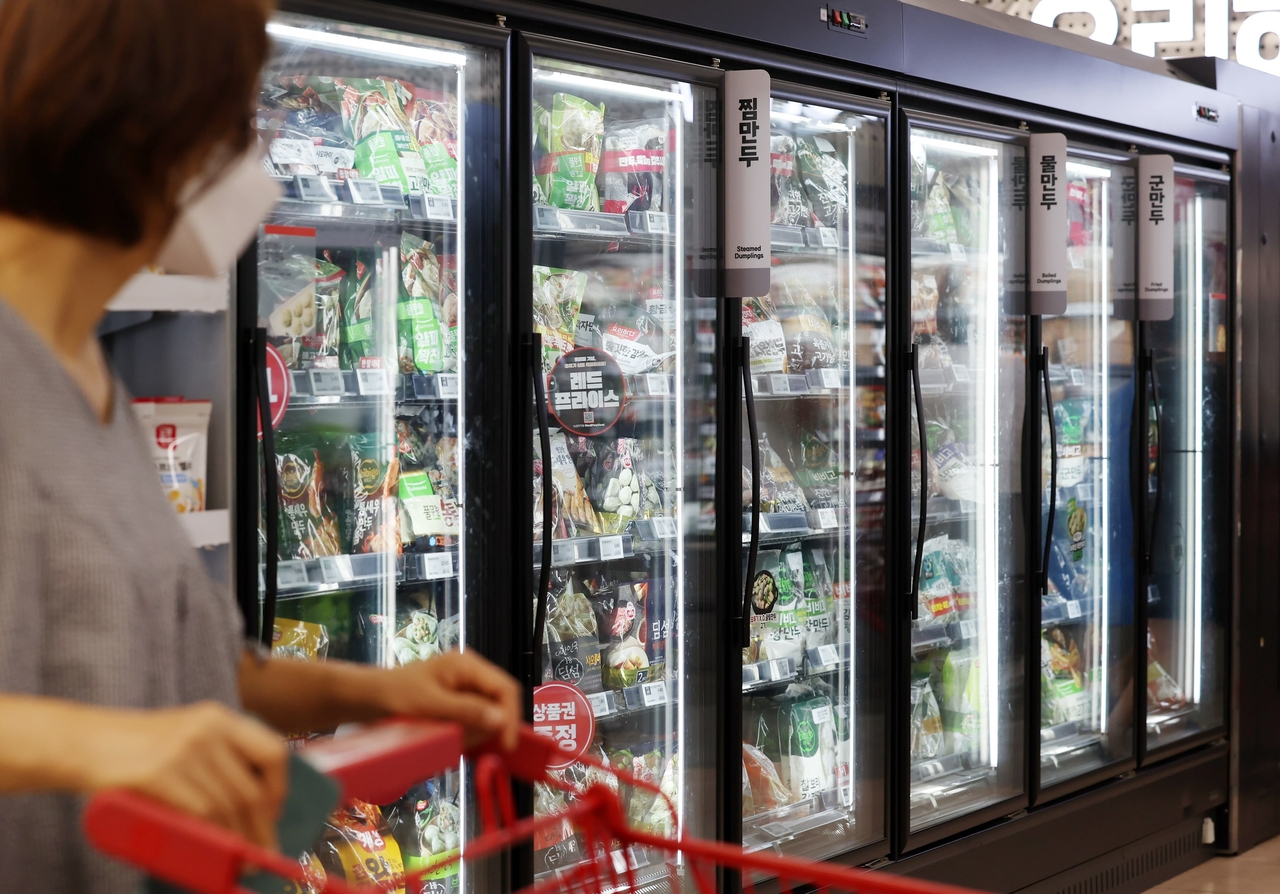
This tension is not new, but what stands out is the growing mismatch between wages and daily necessities in one of Asia’s most developed economies, where key living expenses are now rising faster than the average price index.
More than 86 percent of workers surveyed said they believe their actual purchasing power has declined, squeezed by inflation that has not been offset by wage growth.
That concern is backed by central bank data. The Bank of Korea reported on June 18 that since the pandemic began in 2021, prices for essential living items, including especially food, clothing, and rent, have climbed by 19.1 percent. That’s a full 3.2 percentage points above the overall consumer price increase of 15.9 percent during the same period.
South Korea’s core living costs are also higher than in other developed economies. For example, the Organization for Economic Cooperation and Development data shows that as of 2023, prices in Korea for food and clothing were 56 and 61 percent higher than the OECD average, respectively, after adjusting for purchasing power. Separate figures from the Economist Intelligence Unit show that Korea’s fruit, vegetable, and meat prices are over 1.5 times higher than the OECD norm.
The impact is felt most sharply by those at the bottom of the workplace ladder. Among entry-level employees, 61 percent said the minimum wage is not enough. Among workers at small businesses with fewer than five employees, that figure rose to nearly 66 percent. Even among those at large corporations, half still said the wage was inadequate.
Attorney Kim Ki-beom of Gapjil 119 added that government plans to distribute consumer stimulus vouchers this summer, while welcome, cannot replace structural wage reform. “Without aligning the minimum wage with actual inflation, the poorest workers will keep falling further behind,” he said. “Next year’s minimum must reflect a basic social expectation: That hard work should at least cover the basic cost of living.”
mjh@heraldcorp.com


![[Exclusive] Ateez to return in November](https://wimg.heraldcorp.com/news/cms/2026/09/02/news-p.v1.20260902.76162fb0ba55493aad1c076f240d0750_R.jpg?type=h&h=120)