
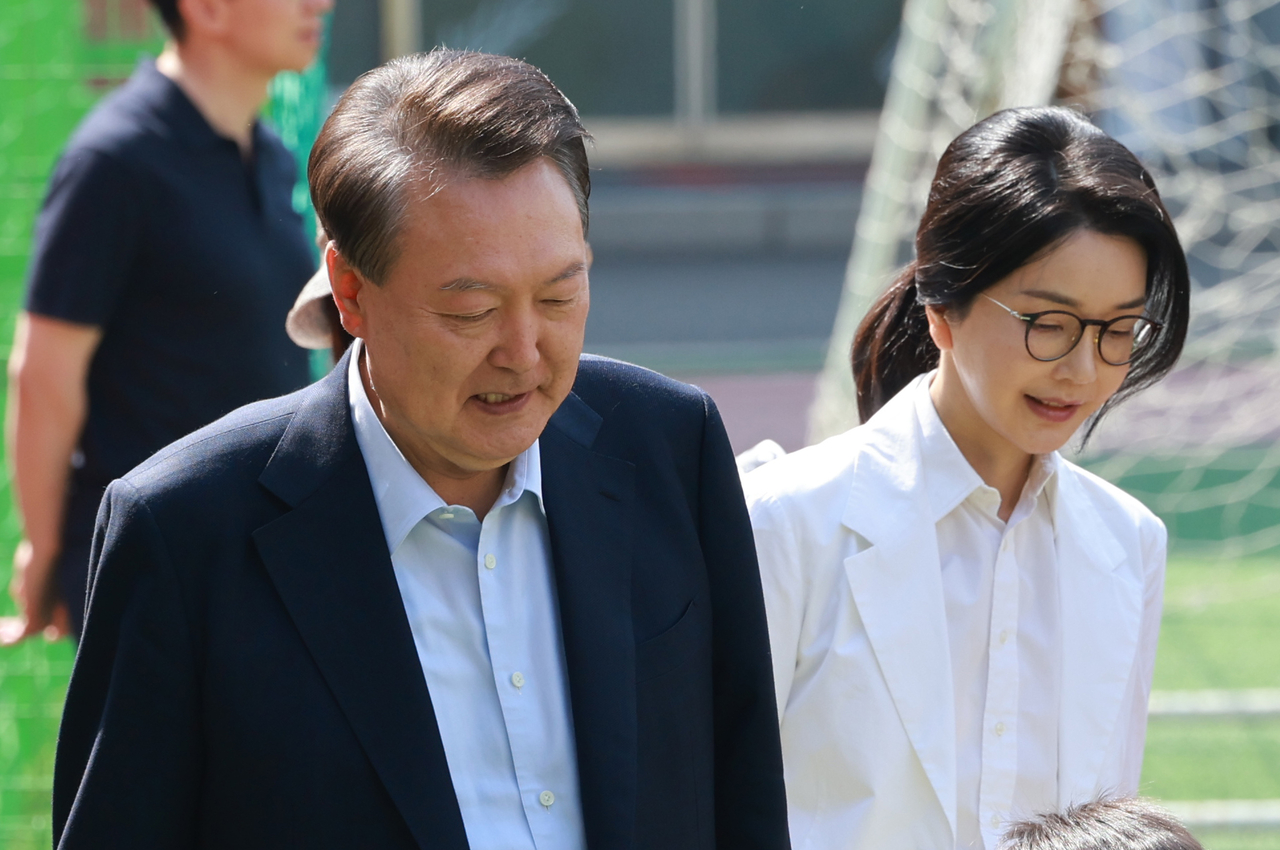
With ousted President Yoon Suk Yeol’s trial set to run until mid-December, he won't face a verdict until several months after the new president is elected.
The Criminal Act stipulates that those convicted of leading an insurrection face either the death penalty or life imprisonment. Experts The Korea Herald spoke to said he was likely to be found guilty and would face a prison sentence.
“Yoon’s martial law declaration did not cause significant injuries or deaths like ex-President Chun Doo-hwan’s Gwangju massacre in 1980. I expect the court to sentence him to life imprisonment rather than the death penalty,” a former research judge at the Constitutional Court, Noh Hee-bum, told The Korea Herald.
Lee Yun-ju, a law professor at Myongji University, expected a similar fate for Yoon.
“I think Yoon, who is a former prosecutor, knows that he cannot be acquitted in the criminal trial. He continues to politicize the trial, like how he expressed his support for conservative party’s presidential candidate Kim Moon-soo. Yoon plans to wait for a potential special pardon provided by the conservative People Power Party after the conservative party (hypothetically) retains power in the June 3 election,” said Lee.
Lee Jae-myung, the liberal Democratic Party of Korea candidate who was projected to win as of press time at 9:30 p.m. according to exit polls, previously announced that there would be no political retaliation targeting certain people if he is elected president. But Lee also said the crime of insurrection must be punished.
“Those who turned their guns on the people must be strictly punished so that such incidents never happen again,” Lee said via a local YouTube channel talk show on May 31.
Though the ousted president’s future remains uncertain until the Supreme Court hands down its final verdict, Yoon is expected to join the parade of the troubled history of South Korea’s former presidents.
Following is a list of presidents who once stood at the pinnacle of power, then saw their careers end in disgrace.
Former South Korean presidents at criminal trials
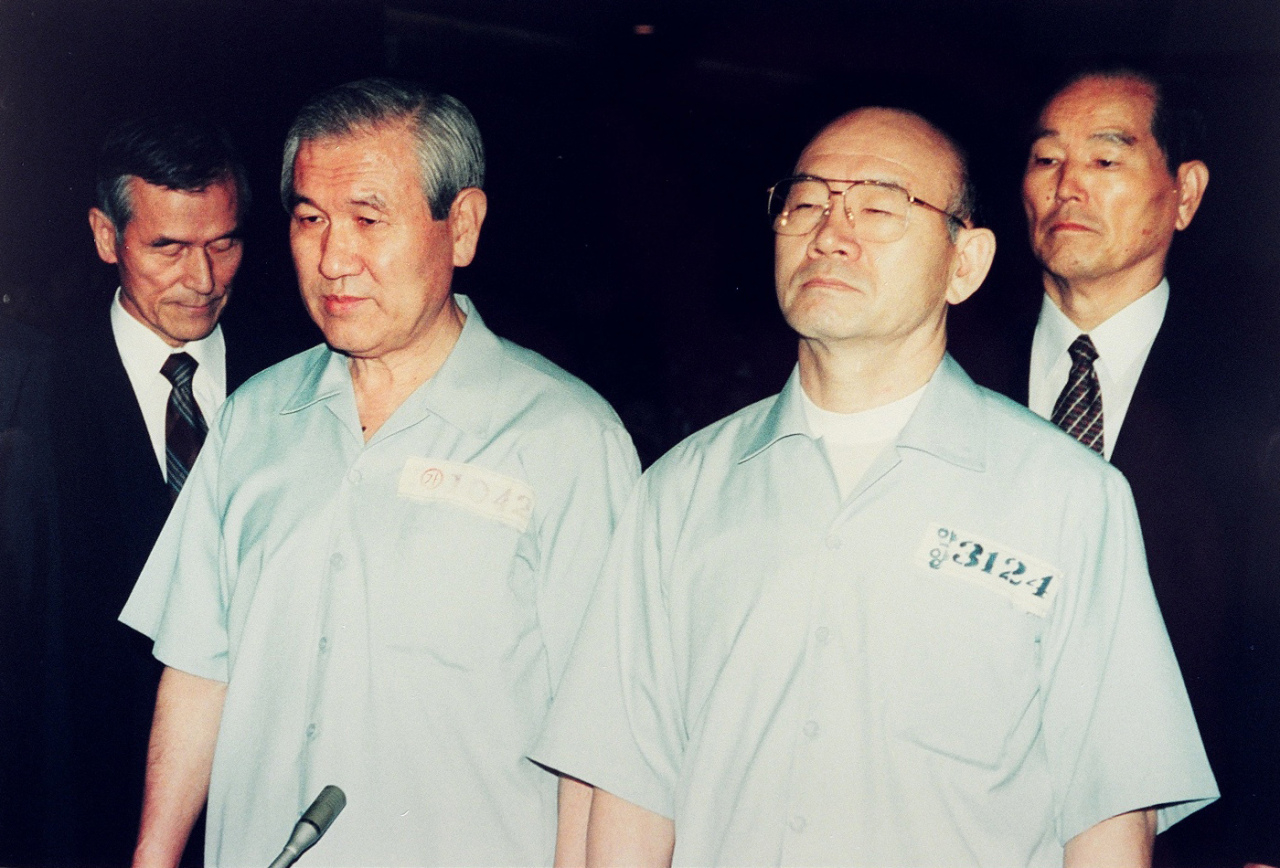
In 1995, Chun Doo-hwan and Roh Tae-woo became the first two former presidents to be arrested.
Chun, who not only seized power through a 1979 coup, but also masterminded the massacre that quelled the Gwangju Democratic Uprising in 1980, was indicted on charges of insurrection, treason, bribery and corruption in 1996.
Roh, who became president by emerging from a divided field in the democratic election that followed Chun's ouster, was tried for his role in the 1979 military coup as well.
Though the Seoul District Court sentenced Chun to death and handed down a prison term of 22 years and six months to Roh in its first trial verdict, the Supreme Court reduced Chun's punishment to life imprisonment and Roh's sentence by five years.
The two former presidents were pardoned by former President Kim Young-sam in 1997, at the advice of President-elect Kim Dae-jung, after serving less than two years in prison.
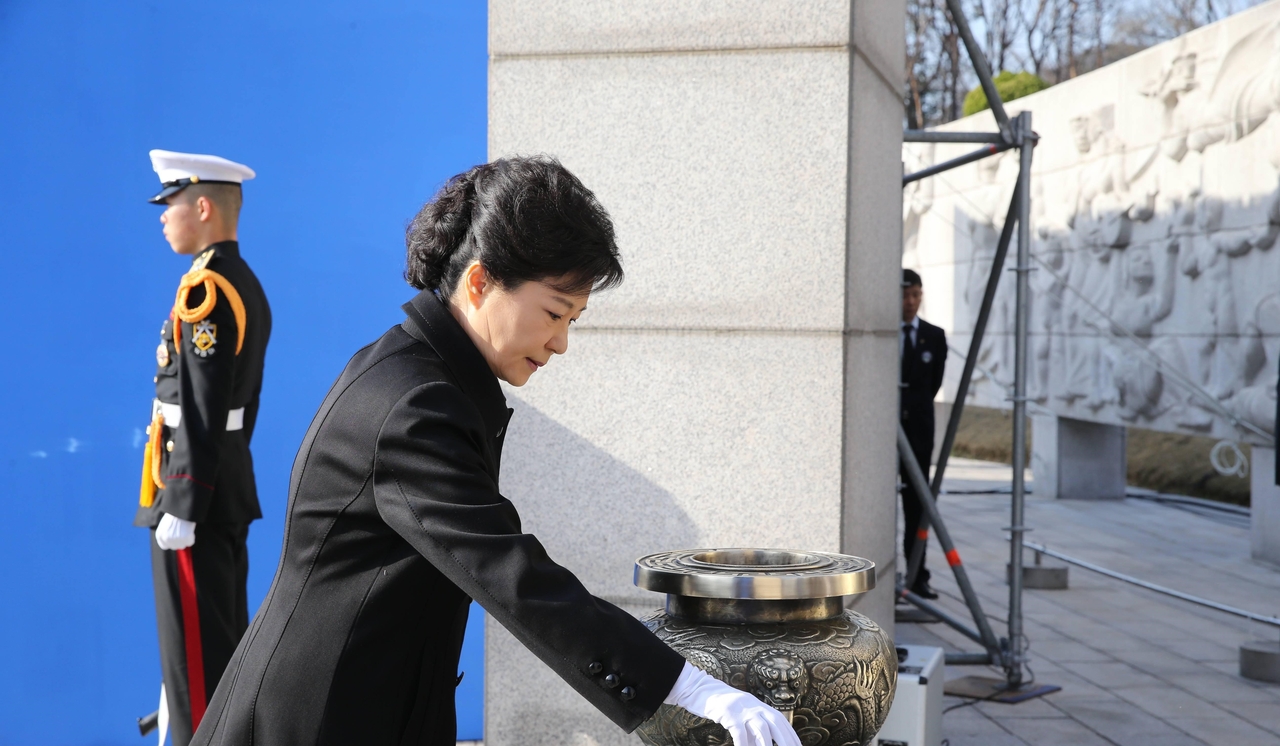
Two other former presidents — Park Geun-hye and Lee Myung-bak — have seen cases advance all the way to a trial verdict.
Park, the first elected president to be both impeached by the National Assembly and removed from office by the Constitutional Court, was indicted in 2017 on multiple charges, including bribery, abuse of power and coercion.
In its 2018 ruling, the court found Park guilty of 16 out of the 18 charges and sentenced her to 24 years in prison. Park spent four years and nine months behind bars. She was eventually pardoned by her successor, President Moon Jae-in.
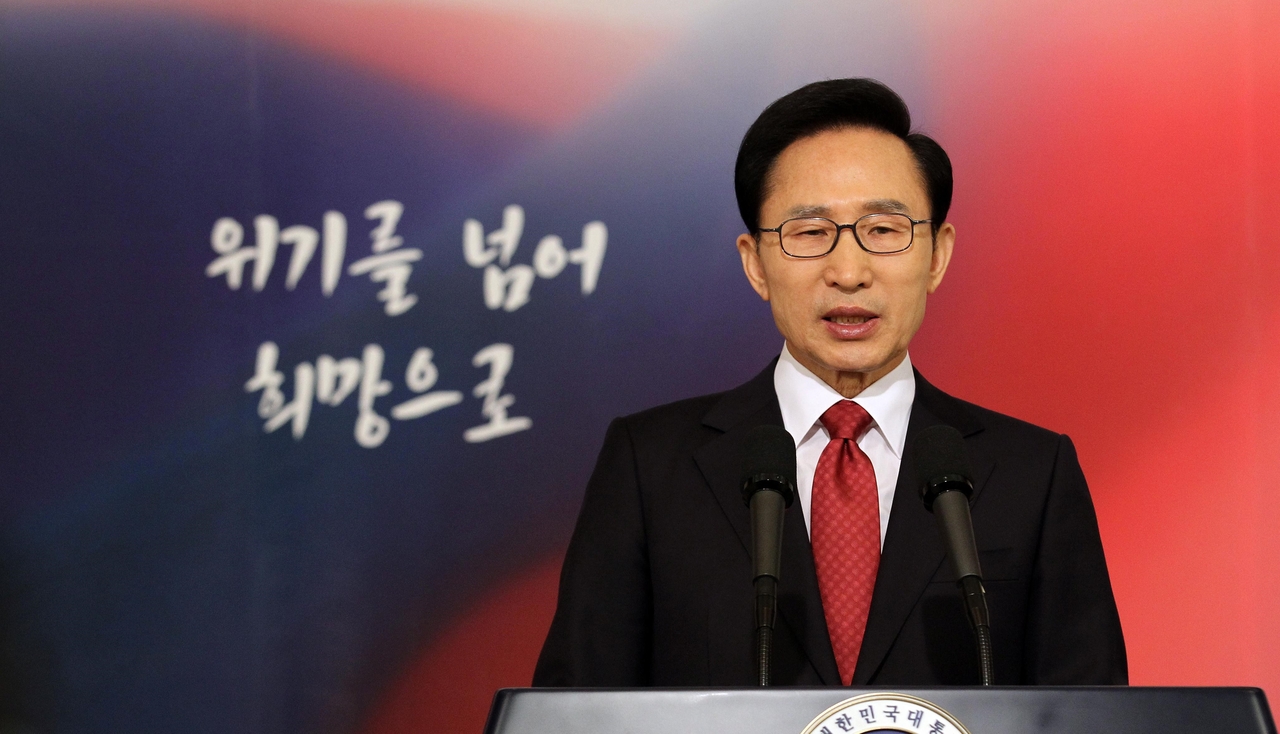
Ex-President Lee was charged in April 2018 on 16 criminal counts, including embezzlement and bribery.
A district court found him guilty of seven counts and sentenced him to 15 years in prison in its first trial verdict in October 2018. However, Lee only spent two years and six months in prison, as he was pardoned in 2022 by former President Yoon.
Meanwhile, former President Roh Moo-hyun died by suicide amid an investigation targeting him and his family over bribery charges in 2009.
sj_lee@heraldcorp.com

![[Exclusive] Ateez to return in November](https://wimg.heraldcorp.com/news/cms/2026/09/02/news-p.v1.20260902.76162fb0ba55493aad1c076f240d0750_R.jpg?type=h&h=120)