
South Korea is running out of space for its aging population, and many neighborhoods don’t want care centers for older adults built in their apartment complexes.
To address this growing tension, one district in northwestern Seoul is suggesting something new: Eunpyeong-gu has formally proposed that residents of newly redeveloped apartment complexes be given priority access to care centers built as part of the redevelopment. These facilities are typically constructed as public benefit contributions during large-scale private housing projects but often meet resistance from residents who fear they will negatively affect property values.
The proposal, submitted to the central government, would require revising national laws, which currently prohibit any form of admission preference. Still, district officials believe that offering residents a tangible benefit could help ease the pushback that has stalled many projects.
South Korea officially became a “super-aged” society in 2024, with people aged over 65 making up over 20 percent of the population, according to the Ministry of the Interior and Safety. In Seoul, that figure is projected to rise to 30 percent by 2038 and over 37 percent by 2052, according to Statistics Korea.
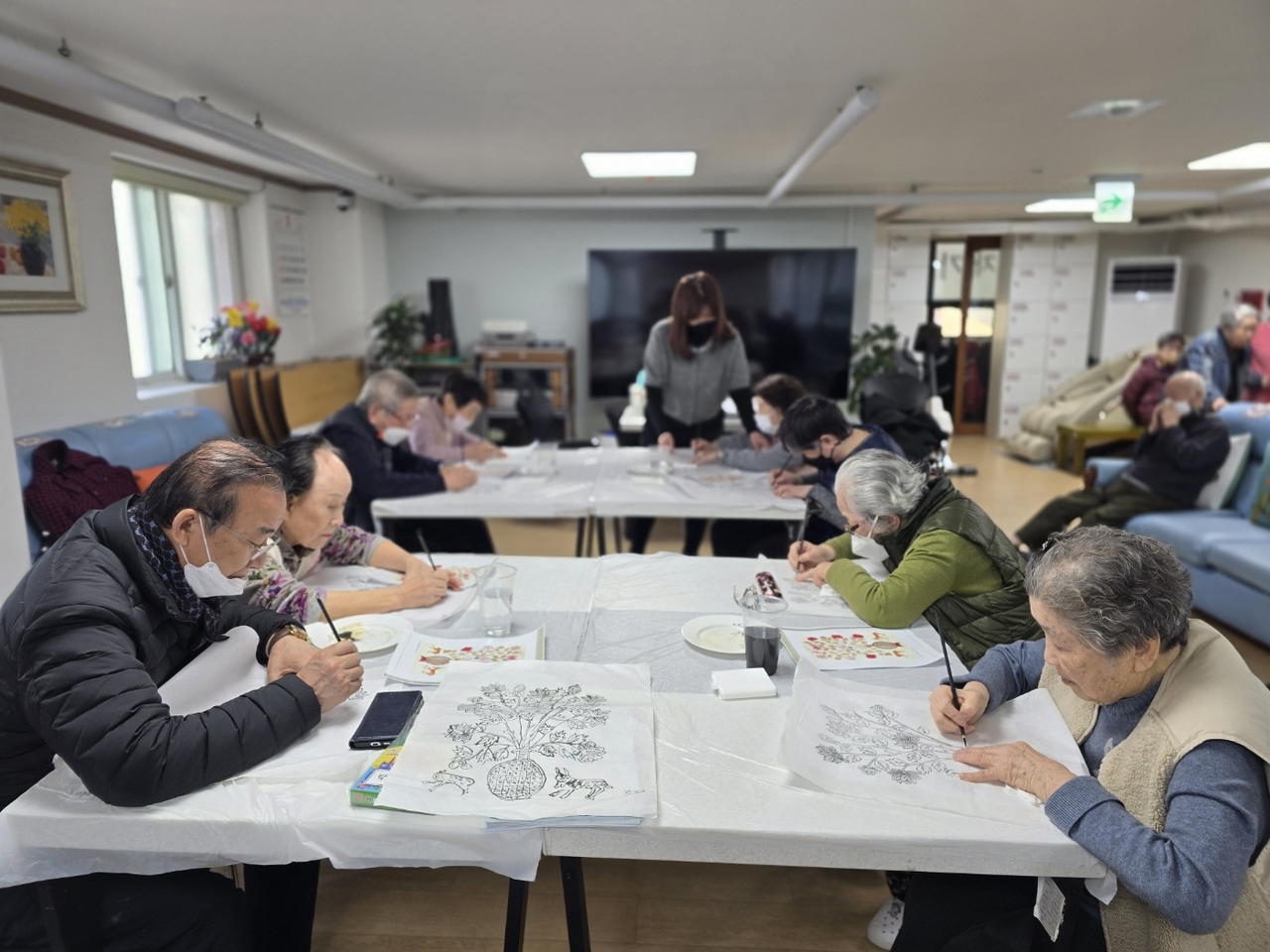
As the country’s birth rate has hit record lows in recent years, the contrast has sparked a darkly humorous nickname for the rapidly expanding daycare centers for older people: “elderly kindergartens.” The phrase reflects a stark demographic reality. As kindergartens close for lack of children, more space is being allocated to daytime care centers where older adults receive treatment for age-related conditions such as dementia or stroke.
But building those centers hasn’t been easy. A high-profile case in Yeouido saw a planned daycare center for older adults held up for over a year due to protests from residents of the Sibeom Apartment complex, who feared that such a facility would tarnish the neighborhood’s image.
The demand for care continues to outpace supply. As of March this year, there were 23,371 seniors in Seoul eligible for long-term care, but only 17,224 spots are available, according to city data. Only 11 of the city’s 472 care centers are publicly operated. In Eunpyeong-gu's public facility, just 75 beds serve hundreds on the waiting list.
Eunpyeong-gu Mayor Kim Mi-kyung said the shortage has forced families to send older relatives to other districts. “We need to expand care infrastructure in the places people actually live,” she said. “If we reduce the distance between seniors and their families, we also reduce the cost and stress on everyone involved.”
Still, national ministries have shown little urgency. The Ministry of Land and the Ministry of Health have both expressed concern that such legal changes could lead to complications, especially since care centers are meant to serve broader public needs.
mjh@heraldcorp.com