The US will cut the "de minimis" tariff for low-value shipments from China to as low as 30 percent, according to a White House executive order and industry experts, further de-escalating a potentially damaging trade war between the world's two largest economies.
The order published late Monday offers some relief to big Chinese e-commerce players Shein and Temu and follows a weekend deal between Beijing and Washington to unwind for 90 days most of the tit-for-tat tariffs imposed on each other's goods since early April.
While their joint statement, following talks in Geneva did not mention the de minimis duties, the order signed, by President Donald Trump said levies for those direct-to-consumer postal shipments will be reduced to 54 percent from 120 percent for items valued at up to $800. An alternative flat fee of $100 per postal package remains in effect, but a planned June 1 increase to $200 was canceled.
There are different rules for packages handled by commercial delivery firms such as United Parcel Service, FedEx and DHL, which shipped millions of Shein and Temu packages before Trump ended duty-free status for Chinese shipments valued under $800.
The rate for those packages now defaults to the reduced US tariff rate of 30 percent from 145 percent for Chinese imports, two delivery experts told Reuters on condition of anonymity for fear of retribution.
The 30 percent rate reflects the Trump administration's decision to cut China's "reciprocal" duty rate to 10 percent from 145 percent, plus a separate 20 percent duty related to the US fentanyl crisis.
Trade Representative Jamieson Greer told CNBC on Tuesday that the 10 percent global duty rate would likely remain in place to help rebuild the US manufacturing base.
Commercial shippers generally collect duties from sellers in China prior to shipment, but the US Postal Service is not set up to handle tariff collections. Four sources told Reuters most Temu and Shein shipments are handled by commercial carriers.
Many consumer goods from China in the commercial channel will still be subject to much higher duties imposed under previous trade actions or sectoral national security investigations. For example, syringes and surgical gloves are subject to 100 percent duties under a US Section 301 trade action.
One of the delivery experts said, however, that if shipped by a postal carrier in quantities valued at less than $800, they may be able to arrive in the US for only a $100 fee, or an effective 12.5 percent rate.
In February, Trump ended the de minimis exemption and imposed different rules for packages handled by postal services or commercial delivery firms -- blaming the exemption for enabling a flood of shipments from Chinese e-commerce firms and traffickers of fentanyl and other illicit goods.
The number of shipments entering the US through the tax-free channel exploded in recent years with more than 90 percent of all packages coming via de minimis. Of those, about 60 percent came from China, led by direct-to-consumer retailers such as Temu and Shein.
According to 2024 congressional testimony from a US Customs and Border Protection official, the average value of a de minimis shipment during fiscal year 2023 was just $54.
China exported $240 billion in direct-to-consumer goods benefiting from de minimis worldwide last year, accounting for 7 percent of its overseas sales and contributing 1.3 percent of gross domestic product, according to Nomura estimates.
Jianlong Hu, CEO of Brands Factory, a Chinese cross-border e-commerce consultancy, said a 54 percent tariff was still very high.
"Sellers are probably taking a wait-and-see approach but in general I think it's fair to say the boom times of small package delivery from China to the US, the Golden Age is already gone."
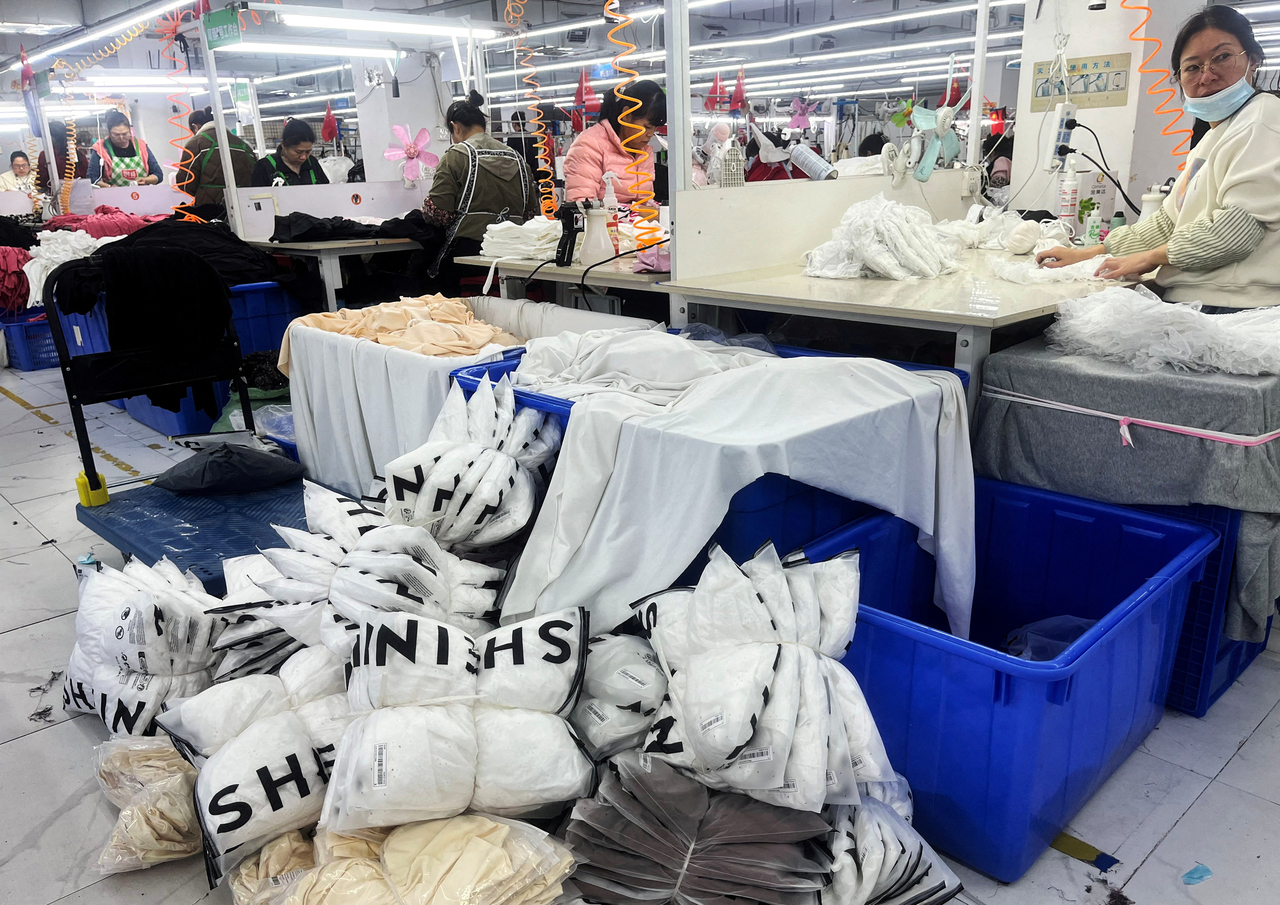
Shein is more exposed to de minimis changes due to its reliance on speed of getting thousands of new styles each week to consumers in the West by air than others such as Temu.
Shein might still be one player that would want to send by air freight some packages from China and pay the 54 percent tariff rather than import all by boat, said Hu.
"If people are buying clothes on Shein and are told the product will arrive one month later, who will buy that?"
Trump's global trade war, which shredded the playbooks that have governed international trade for decades, has shaken up financial markets and raised fears of a recession. (Reuters)