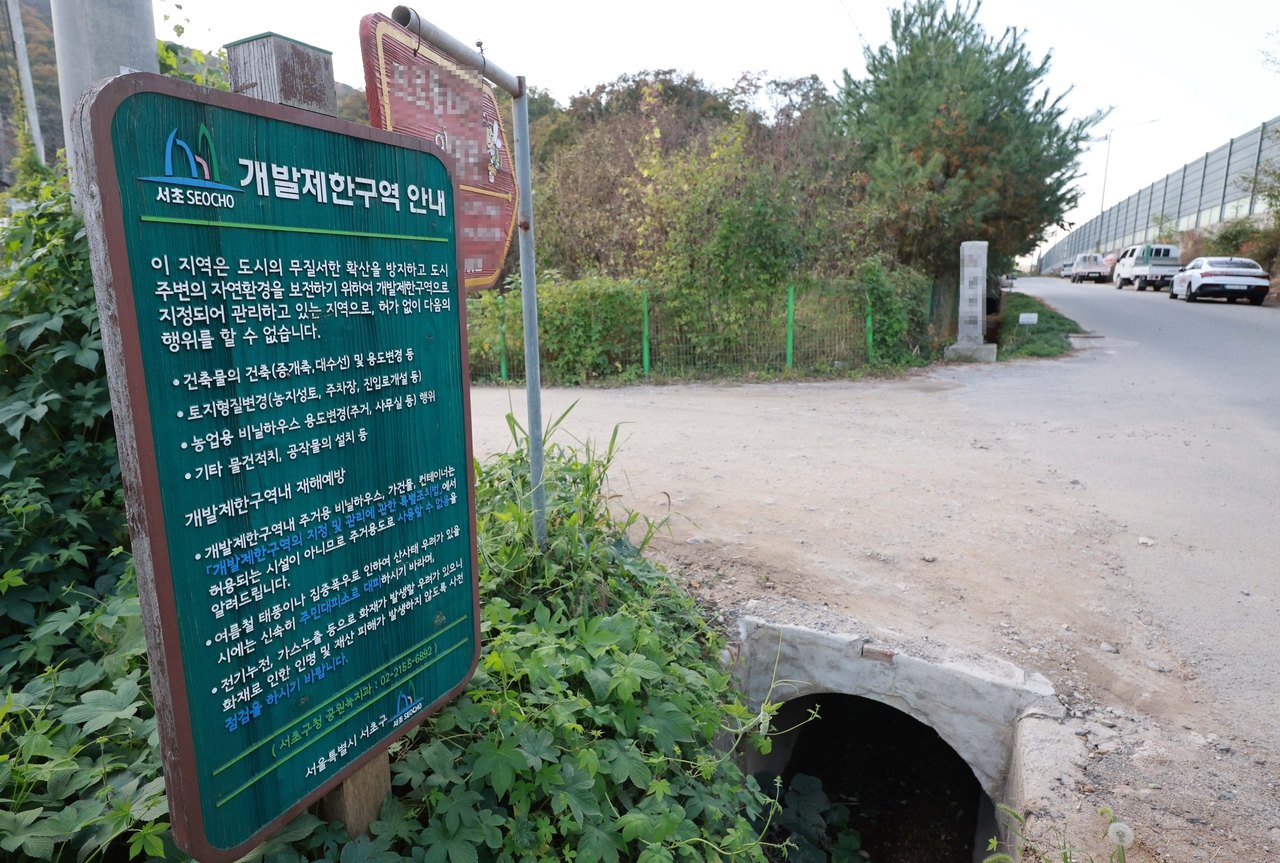
South Korea unveiled plans to lift green belt restrictions in select areas to revitalize the domestic economy, in what would be the first significant relaxation of development regulations for the belts surrounding major cities in nearly two decades.
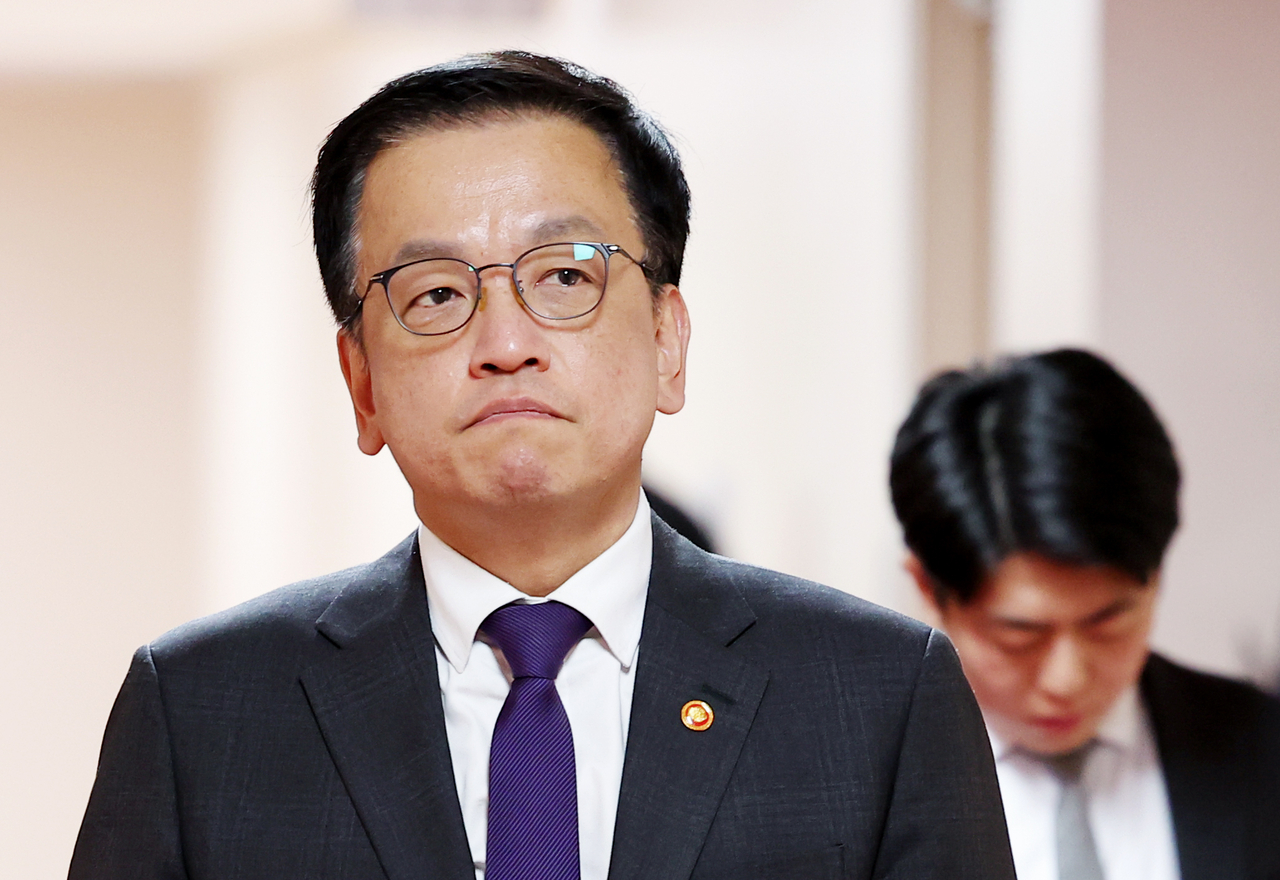
At a Cabinet meeting in Seoul on Tuesday, presided over by acting President, acting Prime Minister and Deputy Prime Minister Choi Sang-mok, the government confirmed plans to remove the green belt regulations on an additional 42 square kilometers of land starting in the first half of 2026.
A total of 15 locations across the nation in the metropolitan cities of Busan, Daegu, Daejeon, Gwangju and Ulsan, as well as Changwon in South Gyeongsang Province, will be eligible for lifting of green belt development restrictions, allowing these regions to develop industrial, logistics and housing complexes, among other large-scale developments.
Locations in Daejeon and Gwangju will be designated for the strategic industries of nanosemiconductors and futuristic mobility, respectively.
According to the Land Ministry, 27.8 trillion won ($19.4 billion) will be invested in these projects and 380,000 jobs will be created. The projects will enjoy direct and indirect production inducement effects of 124.5 trillion won, the government estimated.
"(The government) will scale up the total amount of land where green belt regulations could be lifted, for the first time in 17 years since 2008," said Choi. "Through this, the government will promote national industrial complexes, general industrial complexes, logistics centers and urban development," he added.
South Korea has some 3,800 square kilometers of protected green belt land remaining, nearly 4 percent of the country's total landmass, as the land encircling urban areas, designated from 1971 to 1977, has gradually shrunk from its original 5,397 square kilometers.
Tuesday's decision was the government's first major lifting of green belt development restrictions since 2008, when the Lee Myung-bak administration permitted 531.6 square kilometers of green belt land to be developed in 2008 and 2009.
By 2022, the restrictions had been actually lifted by local governments in 68.3 percent of the designated green belt areas, according to the Korea Research Institute for Human Settlements.
Choi has been serving as the acting president of South Korea since Prime Minister Han Duck-soo was impeached and suspended on Dec. 27, following the impeachment of President Yoon Suk Yeol on Dec. 14 over his botched martial law declaration on Dec. 3.
consnow@heraldcorp.com