From romantic whimsy to tender coming-of-age, 3 Korean gems at previous Berlinales show festival's eye for fresh, heartfelt storytelling
The Berlin International Film Festival has been a vital platform for global cinema since its inception in 1951.
While, for many Koreans, the Berlinale ― as the festival is commonly known ― has become synonymous with arthouse icon Hong Sang-soo's annual premieres in recent years, Korean cinema's presence at this prestigious event spans a remarkably diverse spectrum.
As the 75th Berlinale, being held Feb. 13-23, enters its final days, here are three distinctly Korean voices that have resonated through the festival's storied halls.
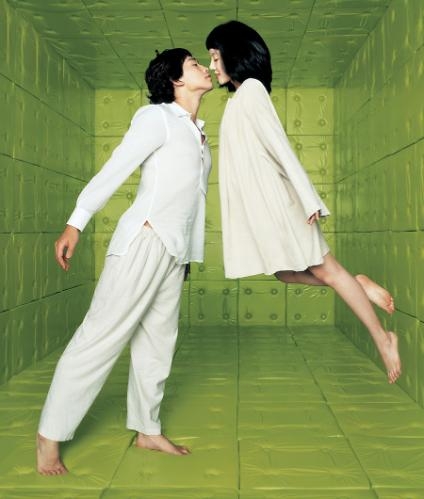
'I'm a Cyborg, But That's OK' (2006)
Park Chan-wook's unexpected detour into romantic whimsy arrived at the 57th Berlinale like a breath of fresh air.
Set in a mental institution, the film follows Young-goon (Lim Su-jeong), a young woman convinced she's a combat cyborg, and Il-sun (Jung Ji-hoon), a kleptomaniac who believes he can steal people's souls. Their peculiar courtship unfolds in a world where delusions become a form of freedom.
The film earned the Alfred Bauer Award at the festival for its innovative approach. Park strips away the usual sanitarium drama cliches, avoiding the trope of a sane protagonist entering an asylum. Instead, he dives straight into the patients' delusions, treating their alternate realities with warmth.
When Il-sun "installs" a rice-to-electricity converter in Young-goon to convince her to eat, the moment lands as both absurd and deeply touching.

"House of Hummingbird" (2018)
Kim Bo-ra's achingly observed coming-of-age story captured the top prize in the 69th Berlinale's Generation 14plus category, aimed at teens. Set in 1994 Seoul, the film follows 14-year-old Eun-hee (Park Ji-hu) as she navigates family dysfunction, first love and self-discovery against the backdrop of a rapidly modernizing Korea.
The film's power lies in its measured pace and attention to detail. Through Eun-hee's eyes, we see a society caught between tradition and change, where academic pressure creates fresh wounds in already fractured families.
A subplot involving a health scare becomes a quiet indictment of parental neglect, while her connection with a sympathetic teacher offers a glimpse of hope without veering into sentimentality.
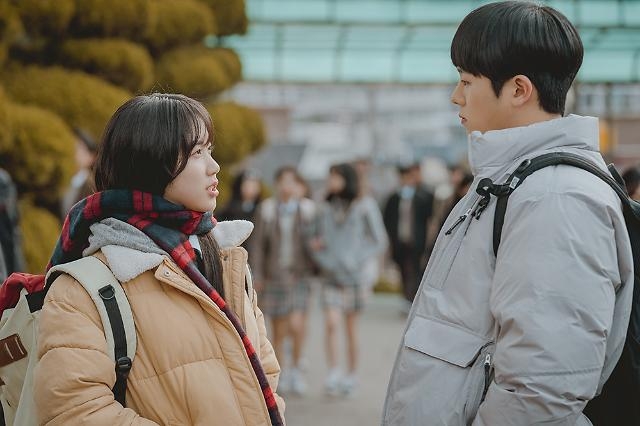
"It's Okay!" (2025)
Kim Hye-young's directorial debut emerged as a surprise winner at last year's 74th Berlinale, claiming the Crystal Bear for best feature film in the Generation Kplus category, aimed at children up to 14. When teenage dancer In-young (Lee Re) loses her mother in a car accident, she finds an unlikely guardian in Seol-ah (Jin Seo-yeon), her demanding new dance instructor.
The film deftly balances its darker themes with moments of levity, particularly in scenes where In-young's spirited presence disrupts Seol-ah's meticulously ordered life. Through their evolving relationship, Kim explores how trauma can both isolate and connect, while spectacular dance sequences and surreal fantasy elements elevate the story beyond conventional drama.
Finally coming to Korean theaters on Wednesday, "It's Okay!" showcases Berlinale's knack for spotlighting hidden gems before they find their way home.
moonkihoon@heraldcorp.com