
Climate change a major factor in fishing accidents, safety studies must adapt: expert
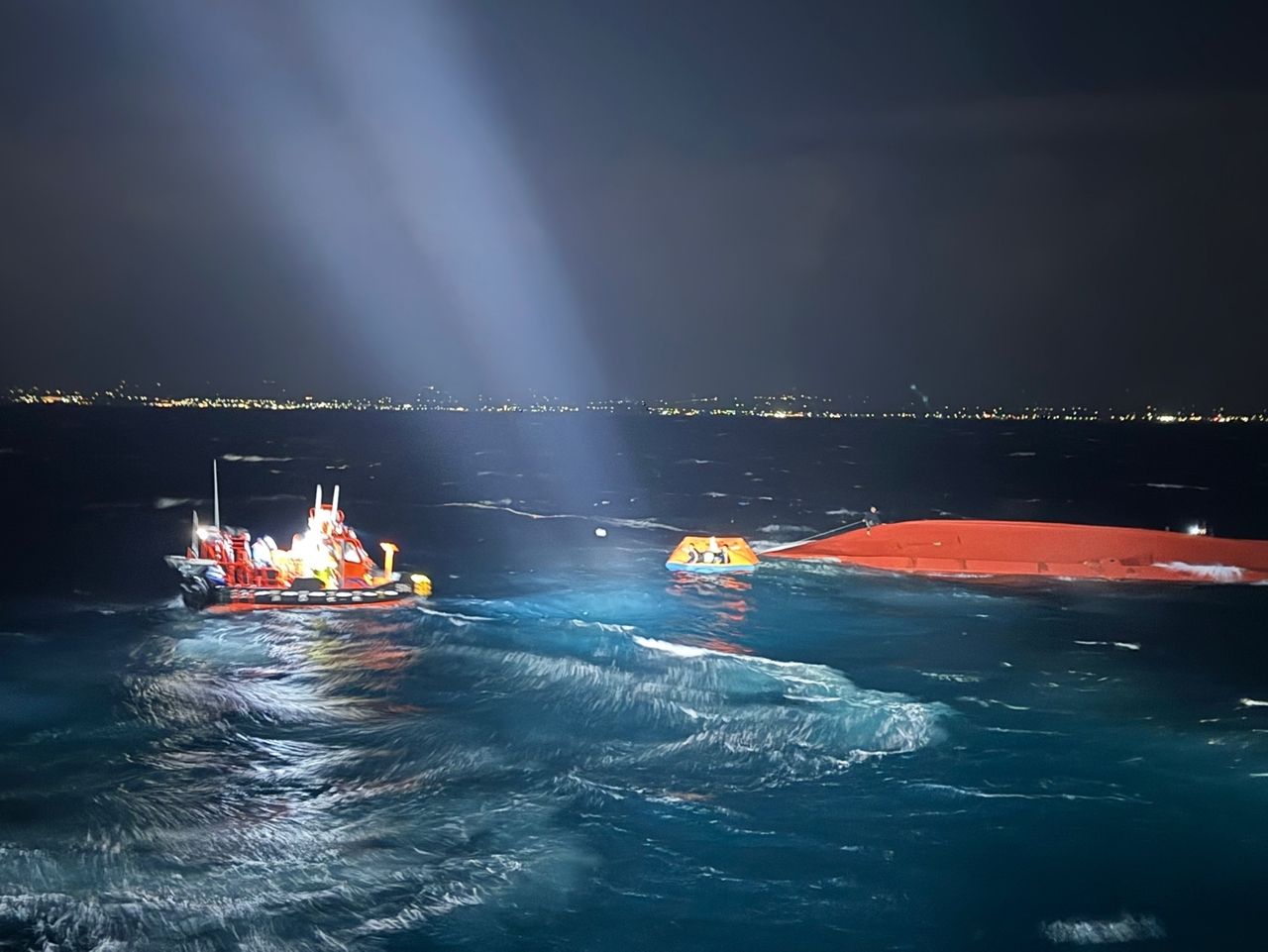
With five fishing vessel accidents already this year, South Korea’s Interior Ministry held an emergency meeting with related government agencies Monday to discuss safety measures.
In 2024, fishing accidents left 119 dead or missing, the highest total since 2014, up from 78 in 2023. As of Monday, 29 people have been declared dead or missing in 2025. Recent incidents include fires and capsizings near Jeju Island, Yeosu in South Jeolla Province and Buan-gun in North Jeolla Province, leaving multiple casualties.
Regarding the significant increase in fishing vessel accidents, experts told The Korea Herald that the effects of climate change ― leading to heavy rain, strong wind and waves ― play a “strong factor.”
“Because of climate change, weather conditions are becoming increasingly harder to predict. Weather conditions change unexpectedly in such a short time period, making safety accidents involving fishing vessels more likely to occur,” said professor Cho Sang-rae from the University of Ulsan’s department of naval architecture and ocean engineering.
“Due to climate change, winds and waves have gotten stronger and more common. Strong wind advisories are issued more commonly compared to previous years … if there was a strong wind advisory issued every 10 days in the past, it has gotten more common to see such advisories issued every two or three days.”
According to the Korea Meteorological Administration, the number of strong wind events recorded by the state weather agency increased by 7.7 percent in 2024 compared to 2023.
Cho added that many fishing vessels in Korea are “old and are in need of regular inspections.”
“Clear principles to conduct safety inspections should be in place, such as requiring fishing vessels to go through inspections as they enter and leave the port,” Cho continued.
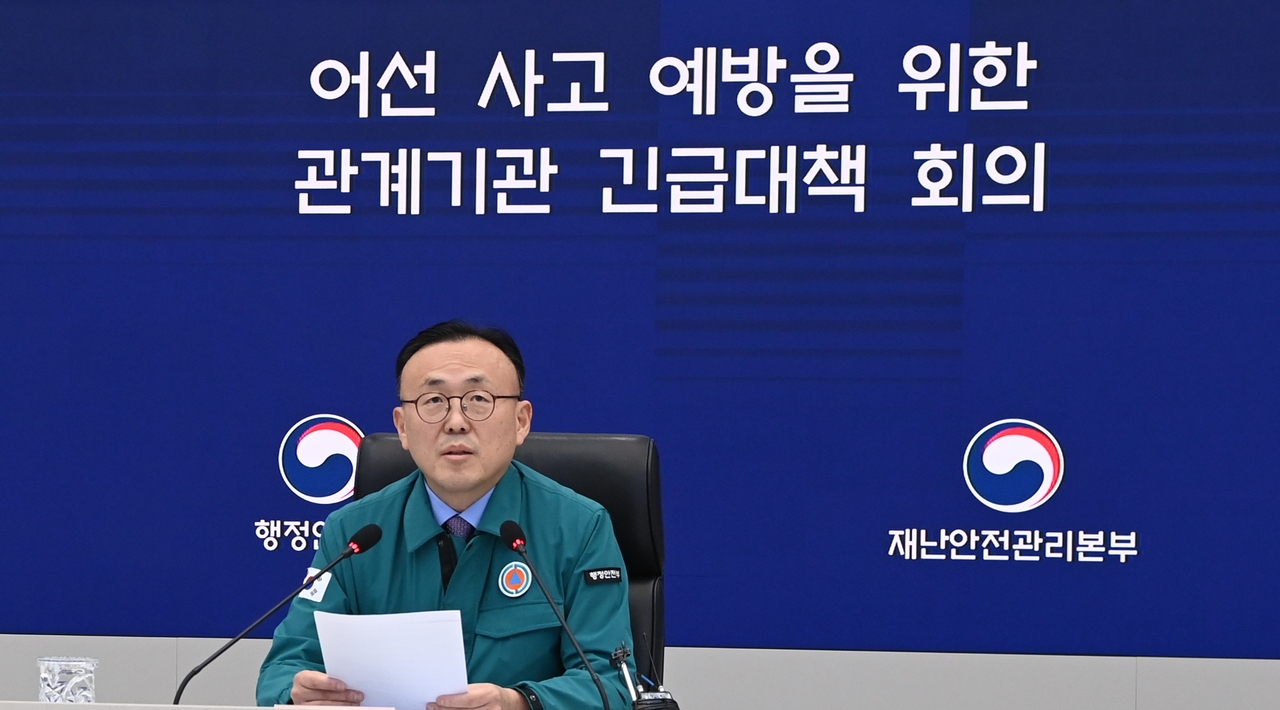
During a meeting on vessel safety held Monday, the government said it would begin to enhance safety guidance and inspection measures for fishing crews, by first making sure workers on board become aware of the importance of wearing life jackets.
"According to studies conducted by marine safety experts, wearing life jackets can reduce lives lost significantly even when high surf advisories are issued," said the Ministry of the Interior and Safety's General Director for Disaster and Safety Management Yi Han-kyung.
In the case of a high surf advisory being issued, Yi urged the Korea Coast Guard and other related agencies to authorize the entry and departure of fishing vessels only when an "adequate amount of safety can be assured" for the crew.
Led by the Ministry of Oceans and Fisheries, the government will work to provide supervision and guidance to fishing boats caught out at sea during bad weather by keeping track of the fishing boats’ location through location transmitters and ensuring every boat is equipped with safety equipment.
The Oceans Ministry will work to strengthen inspections of modifications or renovations done on fishing vessels with local governments, while also conducting more safety inspections. Currently, fishing vessels go through one regular inspection per year, though they could be subject to more if authorities deem a vessel prone to safety accidents.
"Considering that a majority of fishing vessels (in Korea) are more than 10 years old, authorities are urged to check the structural vulnerability of such vessels and to refrain from fishing if proven vulnerable," Yi added.
During Monday’s meeting, the Korea Coast Guard announced a heightened marine safety alert until March 15, deploying more patrol vessels and 24-hour standby personnel. The Interior Ministry pledged to issue faster emergency alerts, covering weather conditions and encouraging safety measures like life jackets and radio transmitters.
lee.jungjoo@heraldcorp.com


![[Exclusive] Ateez to return in November](https://wimg.heraldcorp.com/news/cms/2026/09/02/news-p.v1.20260902.76162fb0ba55493aad1c076f240d0750_R.jpg?type=h&h=120)