[THE INVESTOR] South Korea’s Defense Ministry said Wednesday that the U.S. Terminal High Altitude Area Defense system will be deployed in Seongju, North Gyeongsang Province.
“The joint working group for THAAD from South Korean the U.S. has recommended Seongju area as the optimal place for THAAD, based on belief that it maximizes military efficacy and guarantees safety of the locals, while having no negative repercussions on health (of the citizens) and the environment. The defense ministers (secretaries) of both countries have approved it,” Deputy Minister of Defense Ryu Je-seung said in the media briefing.
South Korea and the U.S. announced Friday that they had decided to station the weapon system here from 2017, to protect the country from North Korea’s nuclear and missile threats.
The allies have been carrying out talks on deploying the advanced missile defense system here, after North Korea conducted a nuclear test and a long-range rocket launch earlier in the year to the international society’s dismay.
The North has been upping efforts to acquire capacity to fire nuclear-armed ballistic missiles under orders from its leader Kim Jong-un.
“By operating THAAD in Seongju, (the military) can protect the safety of Korean citizens in half to two-thirds of our territory from the North’s nuclear and missile threats. We can also drastically enhance our capacity to guard the military capacity of the South Korea-U.S. alliance and key facilities like nuclear reactor and fuel storage capacities,” Ryu said.
Wednesday’s announcement had been expected to come as early as next week, but the ministry pushed ahead after local media reported that the allies had decided on Seongsan-ri, Seongju.
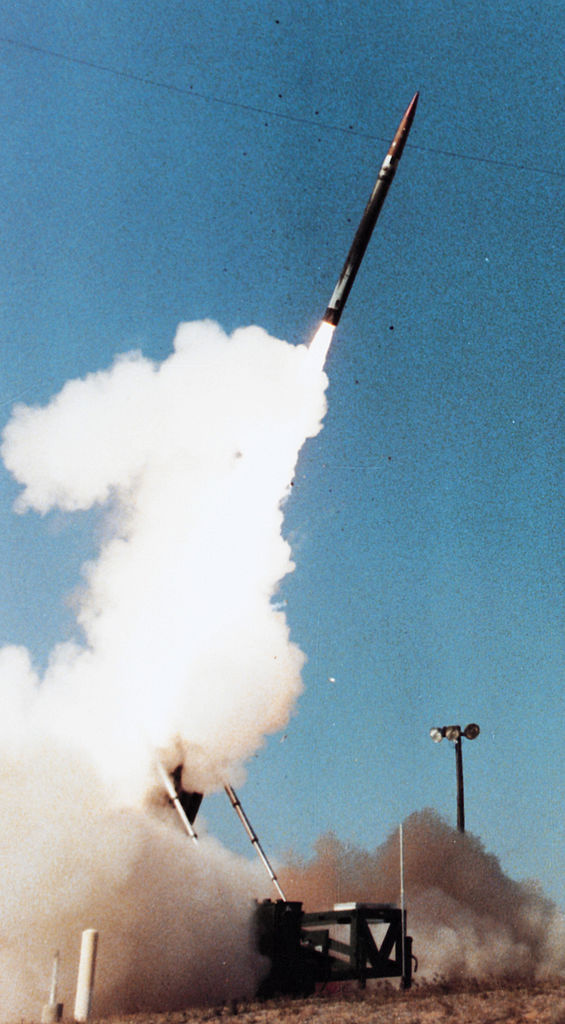
THAAD, first deployed in Guam in 2013 and operated by the U.S. military, can intercept short, medium and intermediate-range ballistic missiles at ranges of 200 kilometers and at altitudes up to 150 kilometers. According to its producer Lockheed Martin, it has 100 percent mission success rate in 13 consecutive flight tests since 2005.
By stationing the system in Seongju, the allies could theoretically cover South Korea’s southern territories along with U.S. bases in Gyeonggi Province.
The range would not extend to Seoul, where some 10 million people live along with key facilities such as Cheong Wa Dae, the National Assembly, and several ministries including the ministry of defense.
The U.S. forces based in Yongsan, Seoul, are slated to move to Pyeongtaek, Gyeonggi Province, next year, which would put it within the range of a Seongju-based THAAD system.
“If we were to operate THAAD to protect the capital region, the operating potential of it would be restrained,” Ryu said, admitting that the Seongju THAAD battery would not be able to cover the most highly populated area in the country.
He said THAAD would be able protect over 20 million people by being stationed in Seongju.
To protect Seoul and Gyeonggi Province, the military plans to use the current PAC-2 missiles, and subsequently deploy the upgraded PAC-3 missiles.
“The biggest threat to the capital region is the (short-ranged) Scud missiles, located around 100-200 kilometers from Seoul. If fired from here, the altitude would be relatively low (under 20 kilometers), which would make the patriot missiles better option against Scuds than THAAD,” he said.
The current PAC-2 missiles are known to be adequate in shooting down enemy fighter jets than ballistic missiles, and PAC-3 are expected to be deployed by 2018.