
Han’s hesitation sparks constitutional debate as Supreme Court, Constitutional Court both affirm his authority
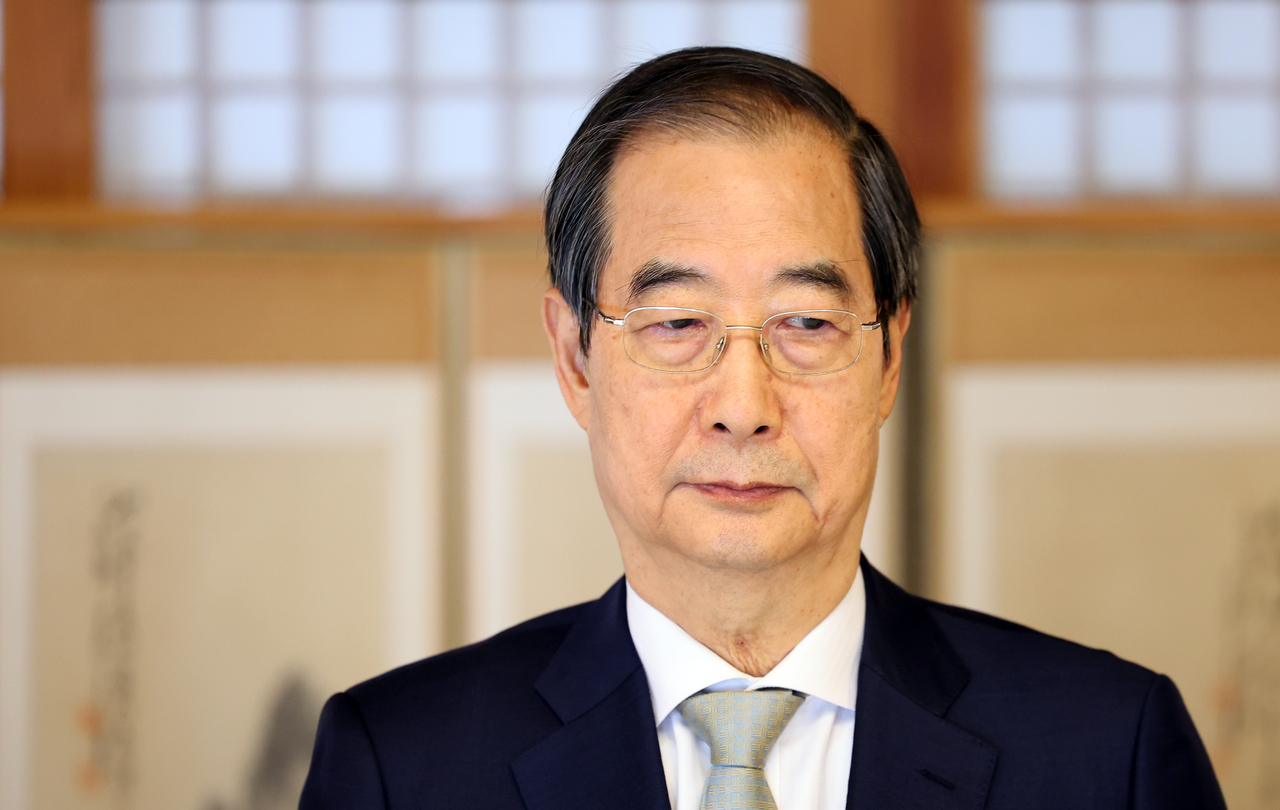
The Supreme Court has said that an acting president has the authority to appoint Supreme Court justice nominees approved by the National Assembly, explaining that such an appointment would not violate constitutional principles.
The Supreme Court’s position is particularly significant, as the Constitutional Court previously affirmed that an acting president has the authority to appoint Constitutional Court justices in the event of vacancies.
While the specific appointments in question may differ, the underlying principle remains consistent: Acting President Han Duck-soo possesses the authority to appoint justices.
This stance, delivered at a politically sensitive moment, is expected to heighten pressure on Han, who is already under mounting scrutiny, to promptly appoint three Constitutional Court justices critical to the impeachment trial of President Yoon Suk Yeol.
The Supreme Court’s position was outlined in its response to a query from Rep. Back Hye-ryun of the main opposition Democratic Party of Korea, made public Wednesday.
In its response to Rep. Back’s inquiry, the Supreme Court clarified that the formal appointment of a nominee by an acting president, following the completion of the confirmation process and approval by the National Assembly, "does not violate fundamental constitutional principles, such as the separation of powers."
“Although Supreme Court justices are ultimately appointed by the president, there are checks and balances in place involving the judiciary and the legislature, including the recommendation by the chief justice and approval by the National Assembly," the Supreme Court said in its answer.
Justice Kim Sang-hwan is scheduled to retire Friday. His successor, Ma Yong-joo, has already been nominated, with a confirmation hearing scheduled for Thursday.
The Constitutional Court confirmed on Dec. 17 that the acting president is empowered to appoint Constitutional Court justices in the event of vacancies.
The current controversy centers on three vacant seats in the nine-member Constitutional Court, which will adjudicate Yoon's impeachment case. By law, at least six justices must vote in favor of impeachment for it to pass. However, only six justices currently sit on the bench, meaning unanimous agreement would be required unless the vacancies are filled.
The opposition-led National Assembly finalized its recommendations for the three nominees -- Ma Eun-hyuk, Jeong Gye-seon and Cho Han-chang -- on Tuesday, unilaterally adopting the confirmation reports.
The Democratic Party plans to submit the appointment consent motions for the three nominees at the National Assembly’s plenary session on Thursday, emphasizing that their formal appointments hinge on direct action by the acting president.
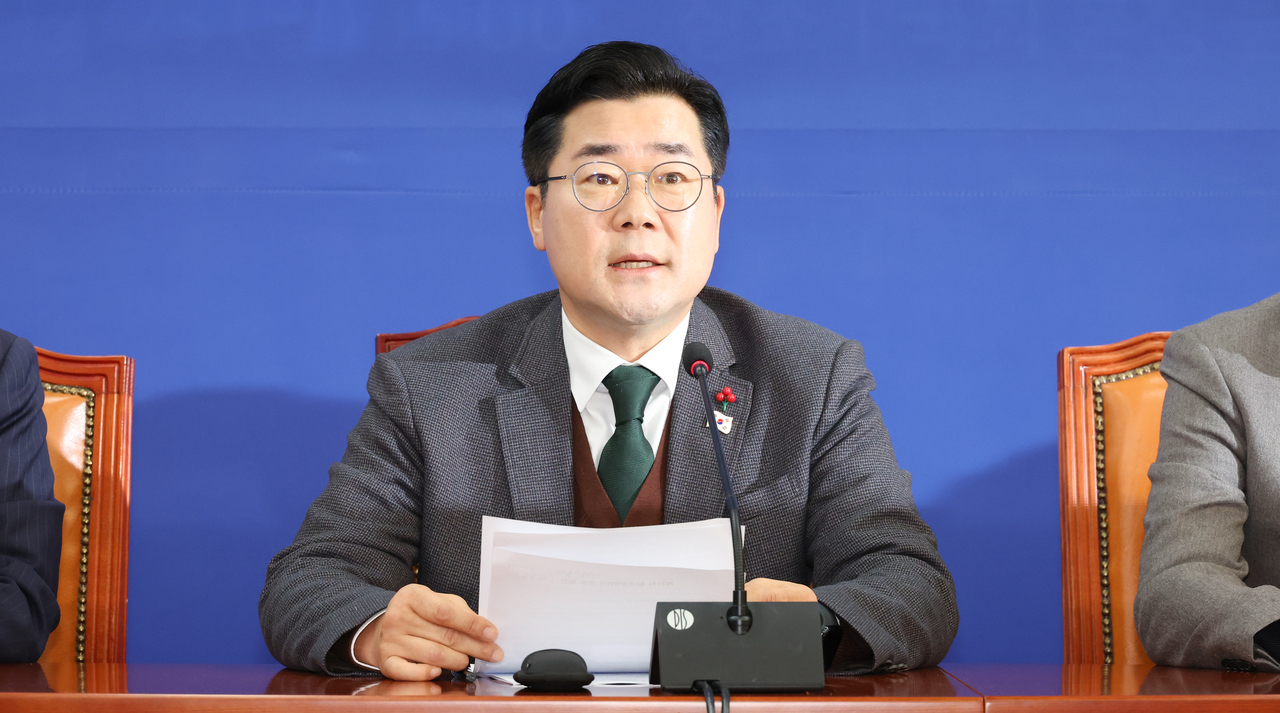
On Tuesday, Rep. Park Chan-dae, the Democratic Party’s floor leader, warned that the party’s decision on whether to pursue the impeachment of Han depends on his decision to formally appoint the Assembly-approved nominees.
The People Power Party, however, has strongly opposed these demands, arguing that the acting president should not overstep the limits of his temporary authority.
The three nominees for the Constitutional Court were recommended by both the ruling and opposition parties. The Democratic Party put forward Ma and Jeong, while the ruling People Power Party recommended Cho Han-chang. All three nominees expressed consensus during the confirmation hearings that the acting president holds the authority to make appointments under current constitutional rules.
Ma stated during his confirmation hearing at the National Assembly on Monday, “If a nominee is selected through lawful procedures, I believe it is appropriate for either the president or the acting president to appoint that individual as a Constitutional Court justice.”
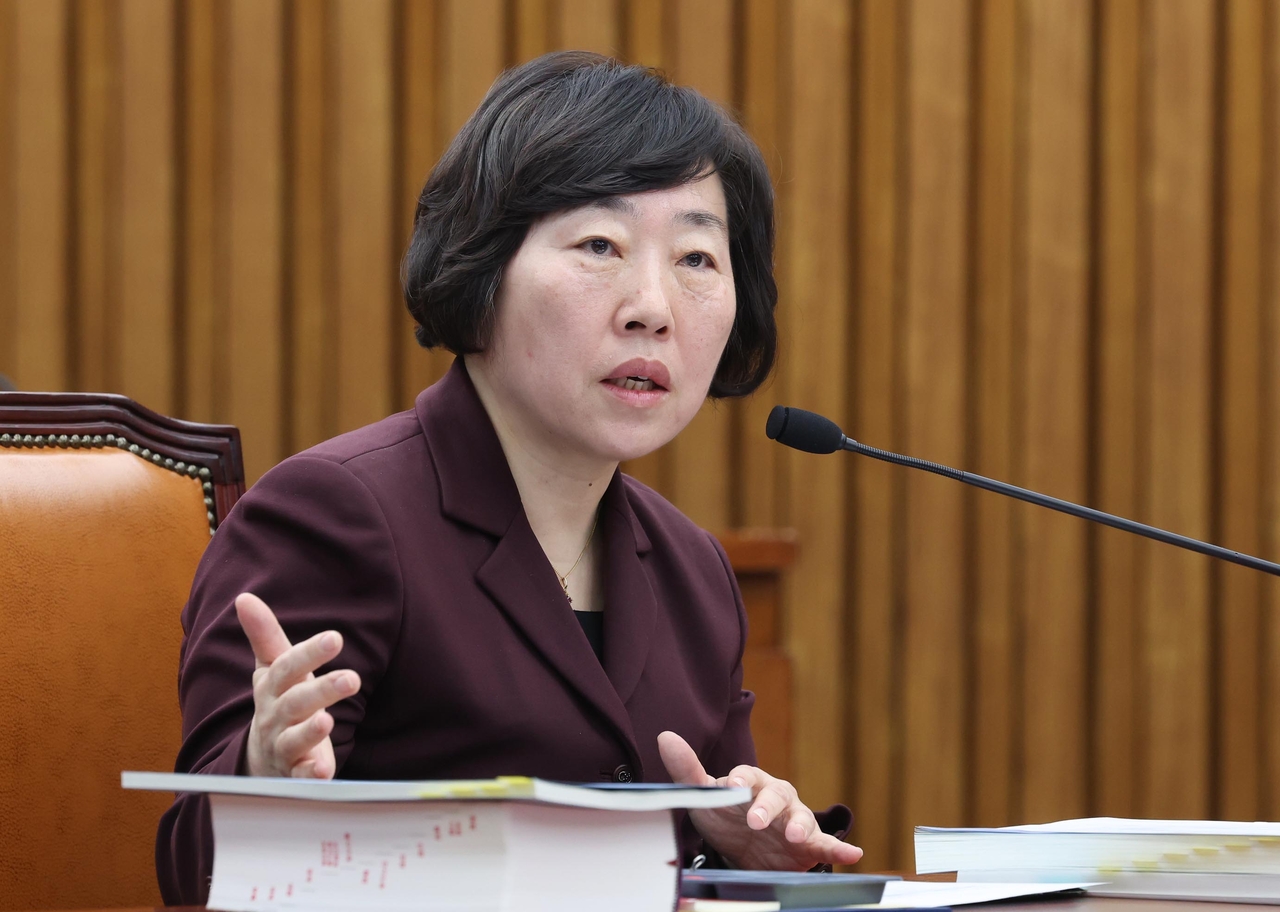
Jeong stated during her confirmation hearing Monday that there is no issue with the acting president appointing Constitutional Court justices approved by the National Assembly, adding that failure to do so could raise concerns.
Cho also acknowledged the significance of filling judicial vacancies at the confirmation hearing Tuesday, sayng, “Completing the nine-member bench is necessary to support the legitimacy and proper functioning of the Constitutional Court.”
jenn@heraldcorp.com