존 케리 미국 국무장관은 16일(현지시간) 북한의 핵개발 위협을 끝내기 위해서는 경제제재만으로는 부족하며 다른 수단을 모 색할 수도 있다고 밝혔다.
AP통신 등에 따르면 케리 장관은 이날 마이테 은코아나 마샤바네 남아프리카공 화국 외무장관과 회담을 마친 뒤 기자들을 만나 "북한은 제대로 된 경제가 전혀 없 기 때문에 제재 이상이 필요할 수 있다"고 지적했다.
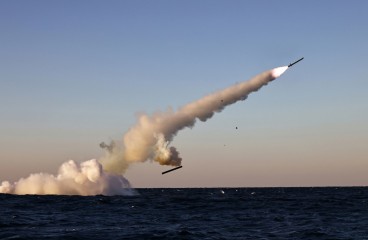
이러한 케리 장관의 언급은 북한이 노동당 창건 70주년 기념일(10월10일)을 앞 두고 최근 장거리 로켓에 이어 핵실험 카드까지 꺼내들자 나온 것으로, 만약의 사태 시 좌시하지 않겠다는 경고로 풀이된다.
또 미국을 비롯한 서방과 핵합의에 도달한 이란과는 달리 북한은 이미 글로벌 경제에서 고립된 터라 추가 경제제재가 그다지 효과적이지 않다는 현실을 의식한 언 급이라는 해석도 나온다.
케리 장관은 다른 선택 수단이 무엇인지는 구체적으로 밝히지 않았다. 다만, 전 날 러시아 세르게이 라브로프 러시아 외무장관과의 회담에서 경제제재 외 다른 대북 압박 수단을 조율했다고 밝혔다.
케리 장관은 이란 핵합의를 거론하면서 "이란 지도자들은 이란이 방향을 바꿔 국제사회와의 고립을 끝내는 것이 핵무기 프로그램의 추구에 비해 더욱 중요하다는 근본적 결정을 했다"며 "그러나 북한은 그런 결정을 하지 않았다"고 지적했다.
또 미국과 우방들은 북한이 그들의 국제적 의무를 다할 때까지 앞으로 나아갈 수 없다는 점을 인식할 수 있도록 압박을 가할 것이라며 북한에 대한 미국의 목표는 비핵화로 가는 평화적 해결책을 찾는 것이라고 강조했다.
케리 장관은 그러면서 북한이 지난 15일 핵실험 가능성을 시사한데 대해 "중대 한 결과"를 맞을 수 있다고 경고했다. (연합)
Kerry: More than sanctions needed to end North Korean threat
Secretary of State John Kerry said Wednesday it may take more than sanctions to end North Korea’s nuclear weapons threat because its isolation from the global marketplace makes U.S. economic pressure less effective than it was on Iran.
The American goal in North Korea remains the same, Kerry insisted: A peaceful solution that leads to nuclear disarmament. But he also warned of increasingly “severe consequences” against Pyongyang a day after it declared that it has upgraded and restarted all of its atomic fuel plants _ meaning it could potentially make more sophisticated nuclear weapons.
The North also said this week it was ready for more rocket launches whenever it sees fit, and there is wide speculation it could conduct a launch or hold another test of a nuclear weapons to coincide with the 70th anniversary of the founding of its ruling party. The date is Oct. 10.
Kerry, who in July worked with six other foreign ministers to seal a long-term nuclear pact with Iran to curb its nuclear program, said the Islamic Republic’s leaders “made a fundamental decision that they’re willing to change their direction, end their isolation in the world and that that was more important than pursuing a nuclear weapons program. North Korea, though, has not made that decision.”
Speaking to reporters after a strategic dialogue with South Africa’s top diplomat, Maite Nkoana-Mashabane, Kerry said the U.S. and its partners will “put pressure on North Korea in order to get them to come to a place where they understand that their people, their country will never move forward until they live up to their international obligations.” But, he conceded the strategy would have to be different than with Tehran.
“It may take more than sanctions with respect to North Korea because of its total absence of a legitimate economy,” Kerry said. He didn’t specify the other options, but noted that China was loosening trade ties with North Korea, and that Beijing’s leaders have avoided talks with top representatives of the Kim Jong Un’s government while holding a series of meetings recently with South Korean President Park Geun-hye.
Kerry said part of his discussion Tuesday with Russian Foreign Minister Sergey Lavrov focused on calibrating the “choices” for Pyongyang, with the goal of restarting diplomacy.
But his vagueness on the path forward underscored the difficulty for the United States in leveraging effective pressure on a government that is already shunned by most of the world and an economy that is deeply dysfunctional but operates largely independently.
If North Korea launches a rocket, the U.N. Security Council could respond by putting more North Korean entities on its sanctions list. But the effects of such a move may be limited as the North Koreans have become experts at evading restrictions after years of experience. The most recent report by a U.N. panel of experts on North Korea documented such practices.
Another option is legislation by Congress that would compel the Obama administration to put sanctions on third countries or entities that work with the North Koreans. Thus far, U.S. officials have been lukewarm about such a bill, arguing that they have the tools they already need to identify and penalize international banks that are enabling North Korean transgressions.
North Korea, however, may not carry out all of its threats. Its recent statements fit a pattern of using claimed improvements in its nuclear and missile programs _ many of which don’t lead to launches or nuclear tests _ to push for talks with the United States that could provide the impoverished country economic concessions or eased sanctions.
North Korea has spent decades trying to develop operational nuclear weapons. It is thought to have a small arsenal of atomic bombs and an impressive array of short- and medium-range missiles. But it has yet to demonstrate that it can produce nuclear bombs small enough to place on a missile, or missiles that can reliably deliver their bombs to faraway targets. (AP)