Grand jury prize for "Possible Love" caps career built on discipline rather than spectacle
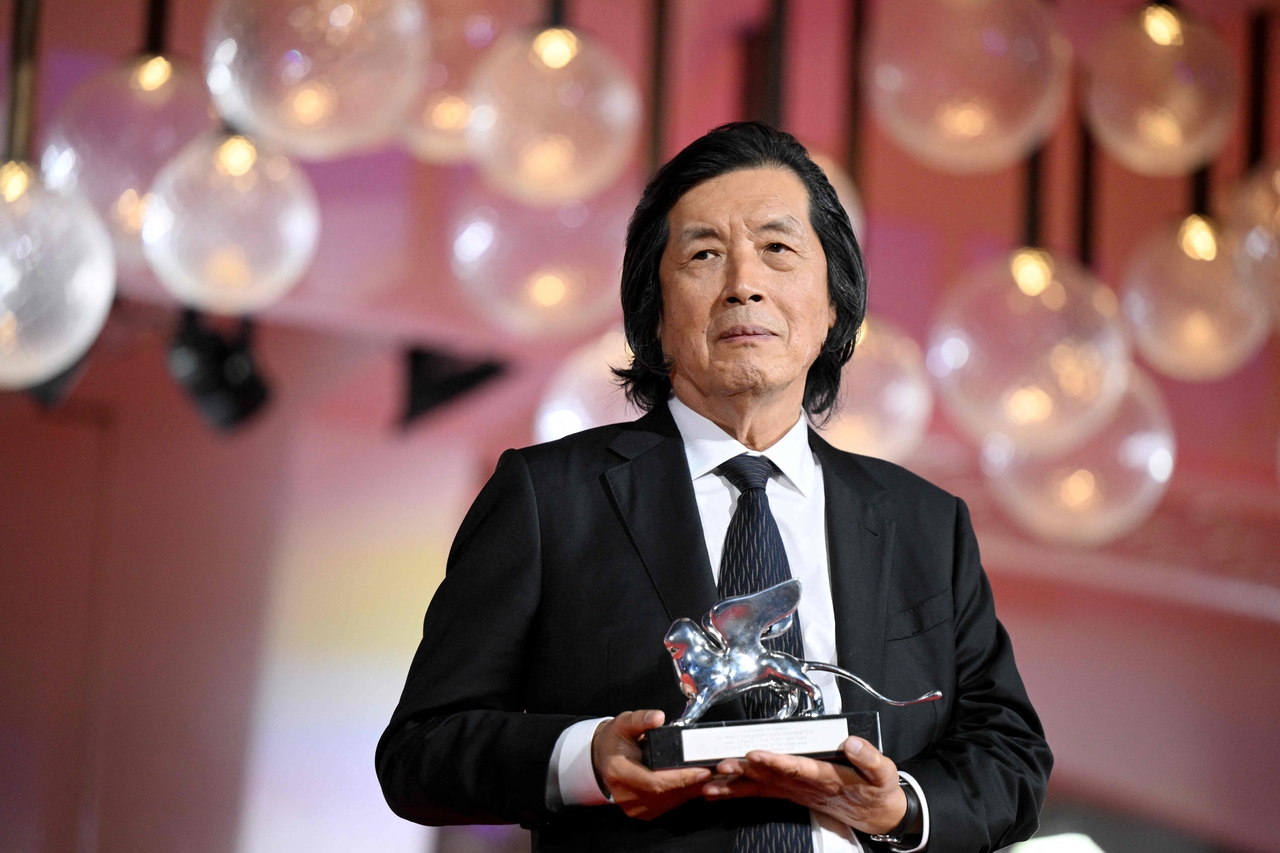
"Possible Love," which took home the Silver Lion Grand Jury Prize at the Venice Film Festival on Saturday, was not exactly seen as an awards favorite going into the competition.
Lee Chang-dong's first film in eight years featured four of Korea's biggest stars, Jeon Do-yeon, Sul Kyung-gu, Zo In-sung and Cho Yeo-jeong, but much of the talk at home ahead of the festival had less to do with the film than where it was coming from. Netflix bankrolled the film, making for an offbeat pairing between an arthouse veteran and a streaming juggernaut that has been muscling into festival-bound prestige fare of late.
This year's lineup had no shortage of big names, either. Martin McDonagh's dark spy comedy "Wild Horse Nine" was widely considered the frontrunner; "Naza," a documentary on the war in Gaza from the Oscar-winning filmmakers of "No Other Land," had plenty of eyes on it as well.
The conversation changed almost overnight following the film's premiere at the Sala Grande on Sept. 6, which reportedly ended with a seven-minute standing ovation. The reviews were nearly unanimous in their praise, and by the week's end, the consensus was that "Possible Love" was the best-received film in the competition and a dark horse for the top prize.
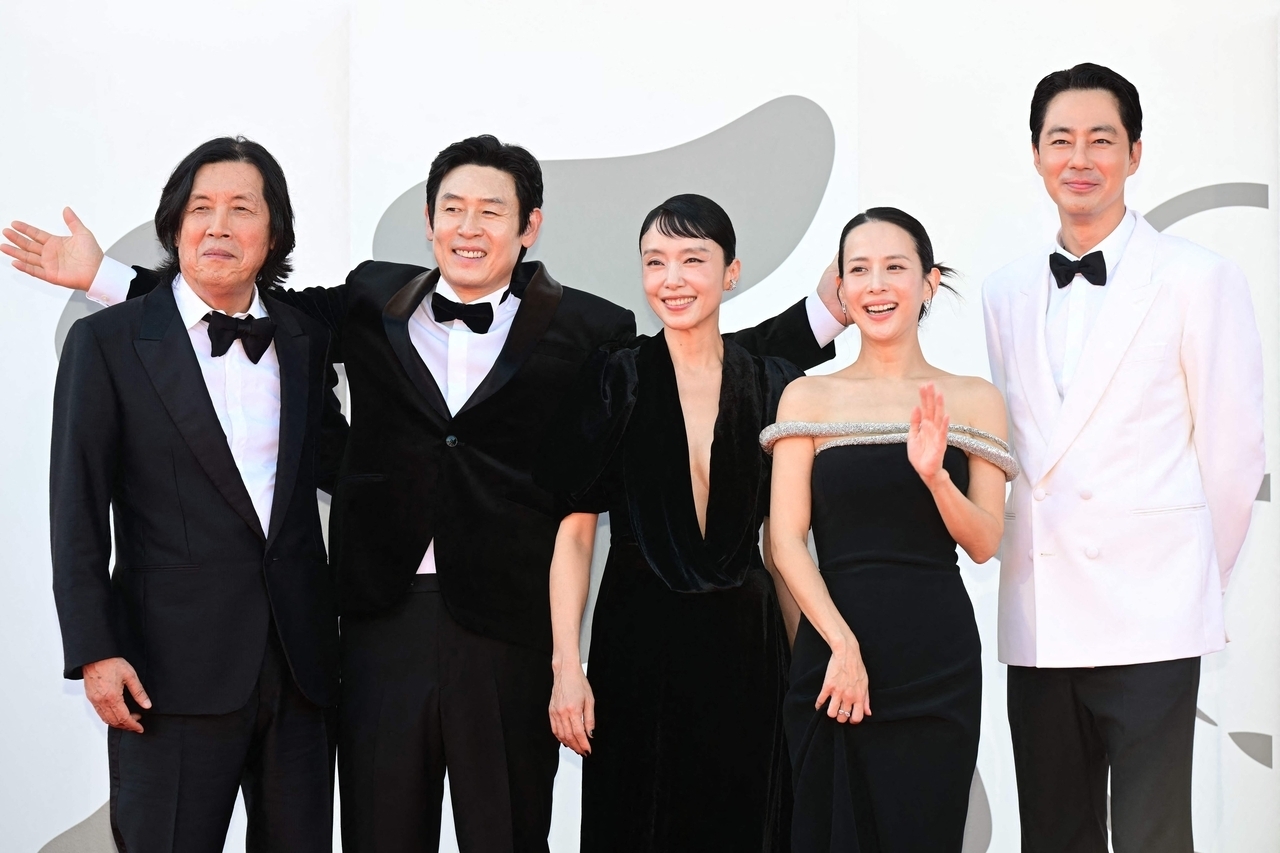
It fell short of the Golden Lion, but the jury led by Maggie Gyllenhaal handed it the festival's second-highest honor. The last Korean film to win in competition at Venice was Kim Ki-duk's "Pieta," which took the Golden Lion in 2012.
"Because of the cultural differences, some of the details may not be understood by international cultures," Hong Kong director Johnnie To, who served on this year's jury, said at the press conference afterward. "I like all the details in this movie. I could never make a movie like this."
Titles like "Secret Sunshine," "Poetry" and "Burning" have earned Lee a devoted following among cinephiles worldwide, but they have not brought him the kind of mainstream recognition beyond the festival circuit that Bong Joon-ho found with "Parasite" or Park Chan-wook with "Oldboy."
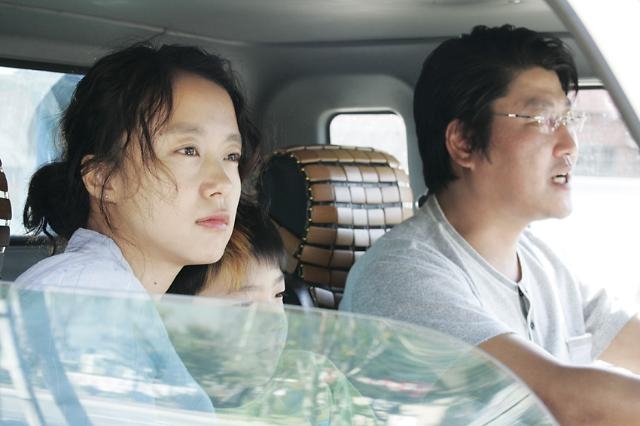
One reason is that Lee's films have never been crowd-pleasers in the conventional sense. "Burning" (2018) drew roughly 500,000 domestic admissions despite a critics' prize at Cannes, and "Poetry" (2010) drew fewer still, in a market where a mid-sized commercial release is generally seen as having done fine at around 3 million tickets.
So it was more or less par for the course that "Possible Love" struggled to get off the ground. Lee had revealed earlier that he had gone looking for investors to fund a theatrical release last year, only to come up empty. That was before Netflix got on board, agreeing up front to a theatrical run ahead of the global launch.
The long wait did not go unacknowledged in the director's acceptance speech Saturday. He thanked his younger brother, producer Lee Joon-dong of Finehouse Film, who by the director's account had to "drink every day" while waiting for the film to come together. "Without the patience of so many people, this film would never have seen the light of day," Lee said, offering the producer "my thanks and my apologies."
The award hardly changes Lee's stature at 72. What it does is serve as a reminder to the world that Korean cinema is much more than the stylized revenge thrillers and genre-bending class dramas that tend to define it abroad.
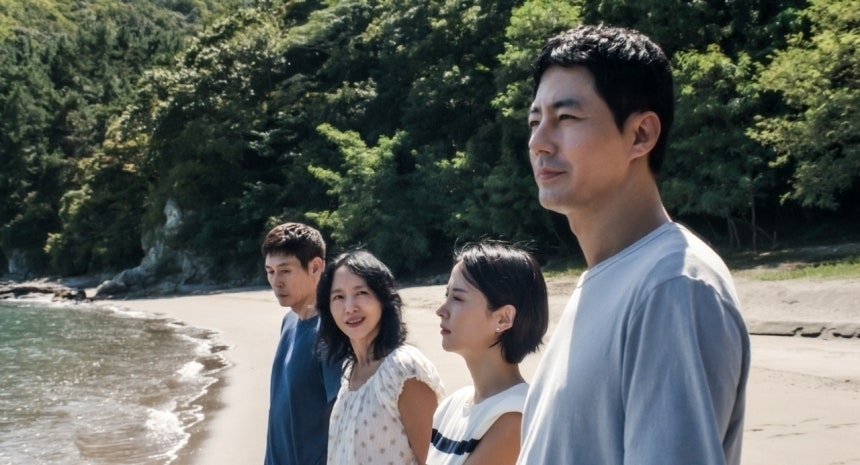
Unfolding at a novelistic pace, the director's slow-burning, minutely observed dramas have their roots in his first career as a writer. Lee published fiction throughout the 1980s while working as a high school Korean teacher; a 1992 novella earned him one of the country's literary prizes.
He only moved to film in his late 30s, first as a screenwriter and assistant director for Park Kwang-su. His directorial debut, "Green Fish" (1997), about a young man drawn into the criminal underworld, swept that year's awards in Korea.
The films that followed came slowly, but each left a mark. "Peppermint Candy" (1999) follows a man (Sul Kyung-gu, then a relative unknown) whose life plays out in reverse across two decades of Korean history, back to the moment he was caught up in the bloody state crackdown on the 1980 Gwangju Democratic Uprising.

"Oasis" (2002), a love story between an ex-convict (Sul) and a woman with a severe disability (Moon So-ri), earned Lee the Silver Lion for best director and the critics' prize at Venice, establishing him as one of Korea's leading filmmakers at home and abroad.
After a brief stint as culture minister under progressive President Roh Moo-hyun, Lee returned with "Secret Sunshine" (2007) that won its lead, Jeon Do-yeon, best actress at Cannes. "Poetry" (2010) won best screenplay there three years later.
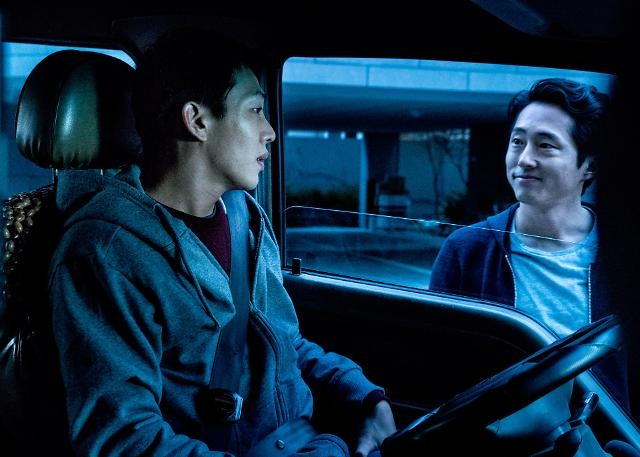
Adapted from a Haruki Murakami short story, "Burning" (2018) follows a young man (Yoo Ah-in) drawn into a love triangle with a childhood acquaintance (Jeon Jong-seo) and a wealthy stranger (Steven Yeun). It picked up a critics' prize at Cannes and was a fixture on year-end best lists.
From his early novels to his work onscreen, Lee has kept his focus on the stories of people left behind. His stories frequently turn to ordinary working men and women swept up in forces bigger than themselves, whether they be state-sanctioned violence or a society industrializing faster than it could absorb.
That humanist streak, steeped in history without getting on a soapbox, is perhaps what made "Possible Love" resonate so strongly at a festival that artistic director Alberto Barbera called it its "most political ever." The film follows two couples on opposite ends of Korea's class divide — a laid-off welder and his wife alongside a documentary filmmaker and her wealthy husband who sets out to film them. Critics have noted the restraint with which Lee lets the distance between them reveal itself.
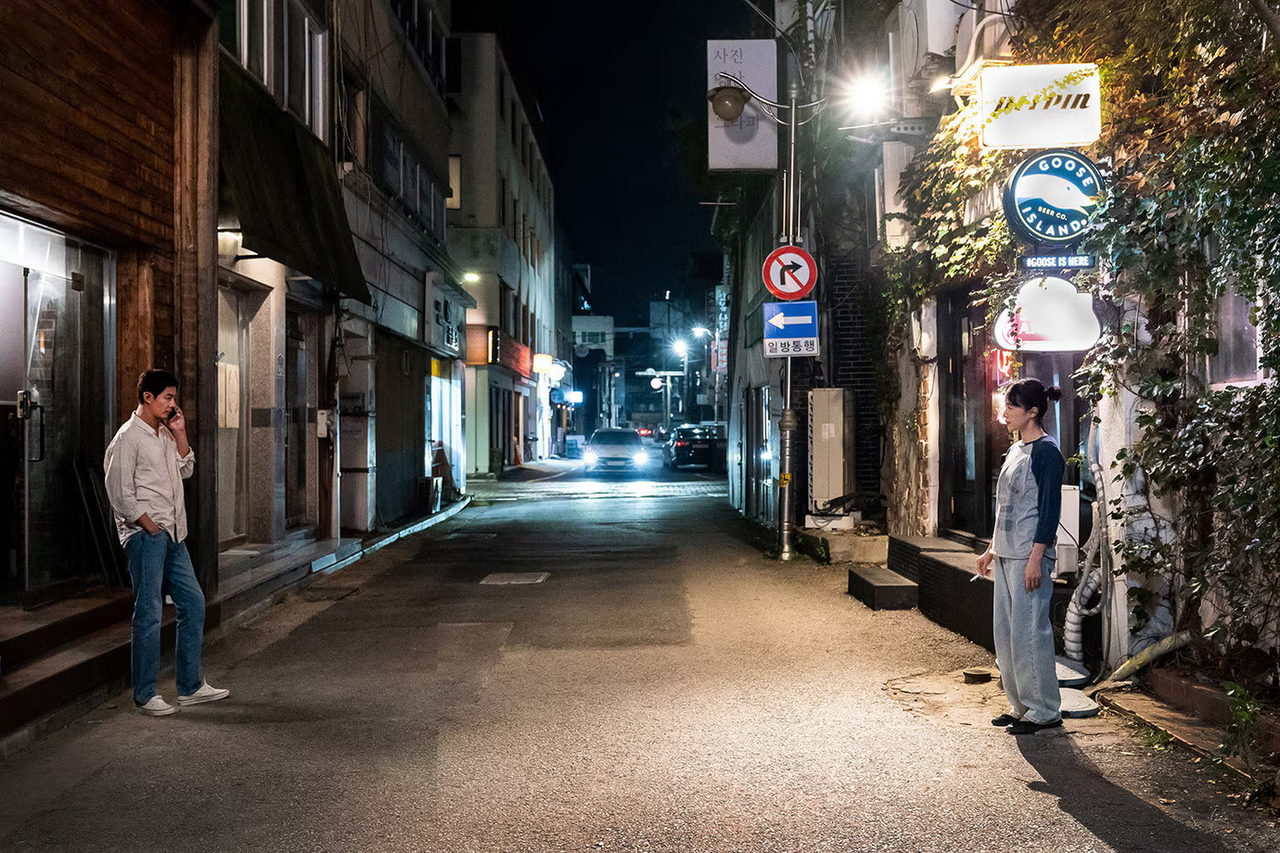
The story, Lee said, was inspired by a mass layoff at a Korean company over a decade ago and the crackdown on the strike that followed, though he did not name which one.
"I wasn't sure I had the right to turn their story into a film," he said at the press conference. "I kept asking myself how I could put someone else's pain on screen without exploiting it. I came to believe that making the film might itself be a way of sharing that pain, and of looking for a way to heal it."
With Venice in the books, the question turns to how far "Possible Love" can go at the Oscars.
Korea has already submitted the film as its entry in the Oscars' best international feature category. Three of Lee's previous films — "Oasis," "Secret Sunshine" and "Burning" — have represented Korea in that category before; only "Burning" made the shortlist.
Once "Possible Love" gets there, it will be up against Saturday's Golden Lion winner "Woman Unknown" by Danish-Egyptian filmmaker May El-Toukhy, and potentially "La Bola Negra," another Netflix production that won best director at Cannes in May.
moonkihoon@heraldcorp.com