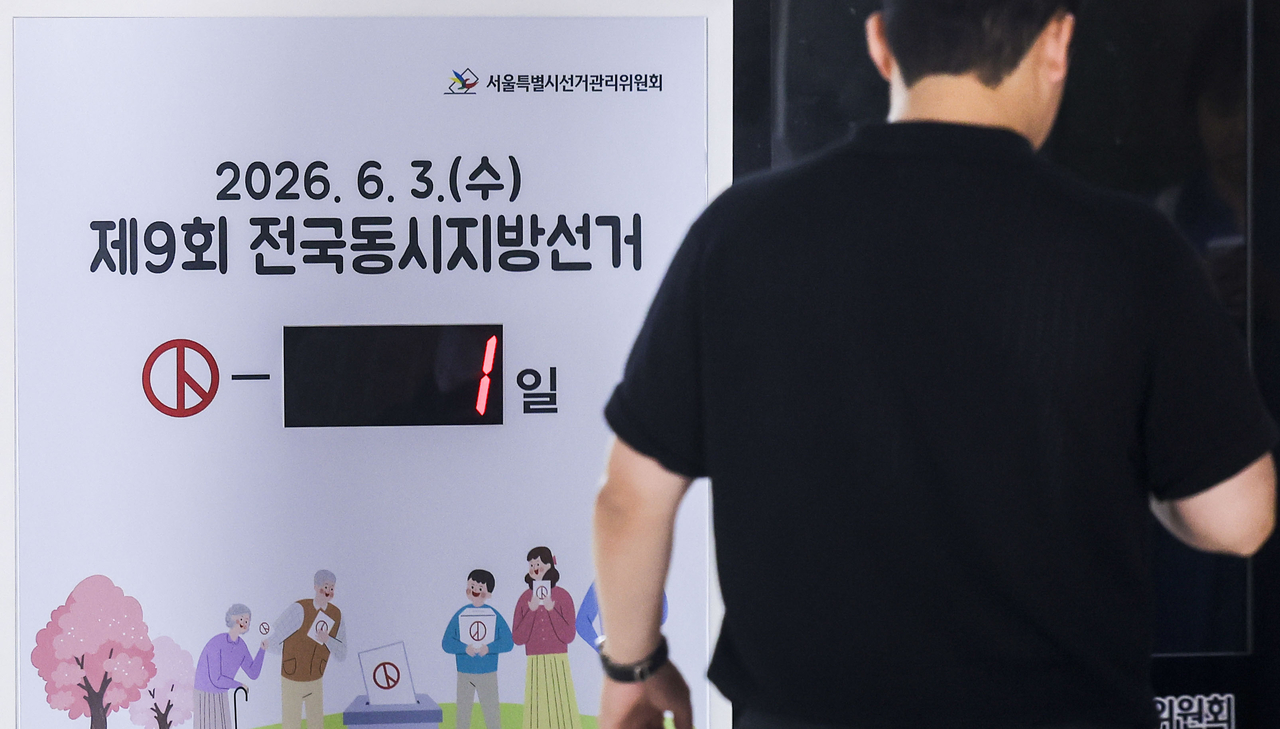
A record can flatter. The 23.51 percent early voting turnout ahead of South Korea’s local elections on Wednesday has been read as proof of democratic vigor. It may instead signal how completely local politics has been conscripted into a national fight driven less by persuasion than by suspicion.
수치상의 기록은 미화될 수 있다. 수요일 한국의 지방선거를 앞두고 치러진 사전투표는 23.51퍼센트를 기록해 민주적 활력의 상징으로 비추어졌다. 그러나 실제로는 지방 정치가 설득이 아니라 의심으로 가득한 국가 차원의 분쟁에 온전히 동원되었다는 것을 시사하는 것일지 모른다.
The calendar explains part of the intensity.
그 강도의 원인 중 하나는 시기다.
With the ballot arriving precisely a year into the current executive term following the June 2025 presidential transition, the routine selection of mayors, governors and some 4,000 local council members, alongside 14 parliamentary by-elections, has inevitably morphed into a high-stakes verdict on a turbulent first year.
투표는 2025년 6월 대통령이 바뀌고 현 정부가 들어선지 정확히 1년 만에 치러지는 것이다. 14개 선거구에서 국회의원 보궐선거가 치뤄지는 동시에 시도지사 및 4천여명의 지방의회 의원을 정례 선출하는 것은 필연적으로 다사다난했던 한 해에 대한 중대한 평가가 되어버렸다.
Wide geographic disparities in early participation deserve attention. While the liberal strongholds of the South and North Jeolla provinces surged to 38.95 percent and 35.05 percent, respectively, the conservative bastion of Daegu lagged at 18.65 percent, leaving Seoul near the middle at 23.84 percent.
사전투표 상의 지역별 차이가 크다는 점은 주목할 만하다. 진보 진영이 강세를 보이는 전라남북도에서는 사전투표율이 각각 38.95퍼센트, 35.05퍼센트로 크게 늘어난 반면 보수 진영의 보루인 대구는 18.65퍼센트로 큰 차이를 보였고 서울은 중간 정도인 23.84퍼센트를 기록했다.
These figures are often framed as a familiar regional split. More precisely, they trace a map of psychological asymmetry, showing where partisan stakes remain acute and where voters are either confident or fatigued by the contest.
이러한 수치들은 종종 익숙한 지역적인 나뉨으로 규정된다. 좀더 정확히는 심리적인 불균형의 양상, 즉 당파적인 이해관계가 여전히 심각한 곳이 어디인지 그리고 유권자들이 경쟁에서 신뢰를 보이는 곳인지 또는 피로도를 보이는 곳인지를 드러내는 것이다.
High participation here illustrates negative partisanship in practice, with voters mobilized more by aversion than affinity.
여기서 높은 참여율은 유권자들이 관련성보다는 혐오감으로 인해 동원되는 부정적인 당파주의가 실행되고 있음을 잘 보여준다.
That logic has reshaped campaigning. Instead of competing over local development strategies, parties have framed the election in sweeping national terms, invoking themes such as “purging past abuses” or “resisting authoritarian drift.” The result is a ballot crowded with slogans but thin on municipal substance.
이러한 논리로 선거운동은 재편되었다. 지방 개발 전략을 두고 경쟁하는 대신 정당들은 "적폐 청산"이나 "독재 거부"와 같은 주제를 들먹이며 이 선거를 포괄적인 전국적인 문제들로 규정했다. 그 결과 선거에는 수사들은 난무했으나 지자체로서의 내실은 부실했다.
Candidates have followed suit. Within the same party, multiple contenders have offered identical national projects to different regions. A striking example is the cluster of pledges to host a proposed United Nations artificial intelligence hub, despite the obvious constraint that it can be built in only one place. Others have promised the same aerospace or infrastructure initiatives across neighboring jurisdictions.
후보들 또한 그 흐름에 동참했다. 같은 정당 안에서 다수의 후보자들이 동일한 전국적 프로젝트를 서로 다른 지역에서 내어놓았다. 가장 눈에 띄는 예로 UN 인공지능 허브를 유치하겠다는 제안을 공약으로 내걸은 경우만도 여럿이다. 동 시설이 한 곳에만 지어질 것이 너무도 당연함에도 불구하고다. 동일한 우주항공이나 인프라 계획을 인접한 지역들에 걸쳐 제시한 후보들도 있었다.
These are not competing visions. They are overlapping claims issued with little regard for feasibility or coordination.
비전을 내걸고 경쟁하는 것이 아니다. 실행가능성이나 조율을 고려하지 않은 채 내놓은 주장들이 중복되는 것이다.
In this election, central organizations have largely stepped back. By abdicating their role as institutional control towers, the major parties have allowed candidates under the same banner to undercut one another, while voters are left to sort through promises that cannot all be honored.
이번 선거에서 중앙 조직들은 대부분 한발 물러선 태도를 취했다. 주요 정당들이 제도적인 사령탑으로서의 역할을 다하지 못하자 같은 진영의 후보들이 서로 깎아내리는 상황이 연출되었고 유권자들은 지켜지지 못할 약속들을 알아서 걸러내야만 했다.
When the pledges dissolve after the votes are counted, the disappointment spreads across the electorate, reinforcing distrust in institutions already under strain.
투표가 집계된 뒤 공약이 무산되면 실망감은 선거구 전반에 퍼져나가고 이미 압박을 받고 있는 제도에 대한 불신은 더욱 커진다.
If policy focus has thinned, political conduct has grown louder. The campaign’s final stretch has been marked by escalating accusations, legal complaints and rhetorical brinkmanship between parties. In several races, debates have been limited, while last-minute revelations and personal attacks have filled the gap.
정책의 초점이 흐려졌다면 정치적 행태는 더욱 요란해졌다. 선거 운동의 막바지는 점점 더 거세지는 비난, 법적 분쟁 그리고 극단적인 수사로 점철되었다. 몇몇 경선에서는 토론은 제한적이었으나 막판 폭로전과 인신 공격이 그 빈자리를 채웠다.
Leadership has done little to steady the tone. Public interventions, including exhortations to vote framed in combative language, have invited questions about the boundary between participation and influence.
분위기를 안정시키려는 지도부의 노력은 부재하다시피 했다. 전투적인 언어로 투표를 권하는 것을 포함한 공적인 개입은 참여와 영향력 행사 간의 경계에 대한 의문을 불러일으켰다.
The mobilization of prominent retired politicians to shore up regional bases reinforces the sense that this contest is anchored in past alignments rather than future choices.
은퇴한 거물 정치인들을 동원해 지역 기반을 강화한 것은 이 경쟁이 미래의 선택보다는 과거의 정치적 연대에 기반하고 있다는 인식을 다시금 굳히게 한다.
There is an irony in the numbers.
수치에는 모순이 존재한다.
Voters are turning out in force for a process increasingly detached from the concerns it is meant to address. The ballot retains its force, but its meaning depends on how it is used. When voting becomes an act of blocking rather than choosing, turnout can rise even as judgment narrows.
유권자들은 본래 해결해야 할 문제들과 점차 유리되고 있는 절차에 대거 참여하고 있다. 투표는 그 힘을 여전히 보유하고 있으나 그 진정한 의미는 그 표가 어떻게 사용되는지에 달려있다. 투표가 선택이 아니라 저지 행위가 된다면 유권자의 판단의 폭은 좁아지더라도 투표율은 상승할 수 있다.
The June 3 local elections will yield winners and losers, but the more consequential choice rests with voters themselves. A ballot cast in reflex only deepens the noise; a ballot cast with care can still cut through it.
6월 3일 지방선거는 승자와 패자를 내놓을 것이다. 그러나 더 중요한 선택은 유권자들 자신에 달려있다. 관성적으로 던진 투표는 소란을 키우기만 할 것이나 신중한 한 표는 소란 속에서도 변화를 이끌어낼 수 있다.
This election will not be rescued by high turnout alone, but by whether the people judge candidates on concrete competence, credibility and local vision. That choice, repeated millions of times, remains the simplest way to return substance to a contest that has largely misplaced it.
높은 투표율만으로 이번 선거를 살려낼 수는 없다. 구체적인 능력, 신뢰성, 그리고 지역적인 비전에 기반해 후보를 판단하는지 여부에 달려있다. 수백만번 되풀이된 그 선택이 본질을 잃어버린 경쟁에 본질을 되돌려줄 여전히 가장 간단한 방법이다.
conscript 징집하다
bastion 보루
partisan 당파적인
aversion 혐오감
affinity 관련성, 친밀감
abdicate 책임을 피하다
electorate 선거구
exhortation 장려, 권고
in force 대거
khnews@heraldcorp.com