Restraint is key in historical makeup that blends naturally into character portrayal, says Song Jong-hee
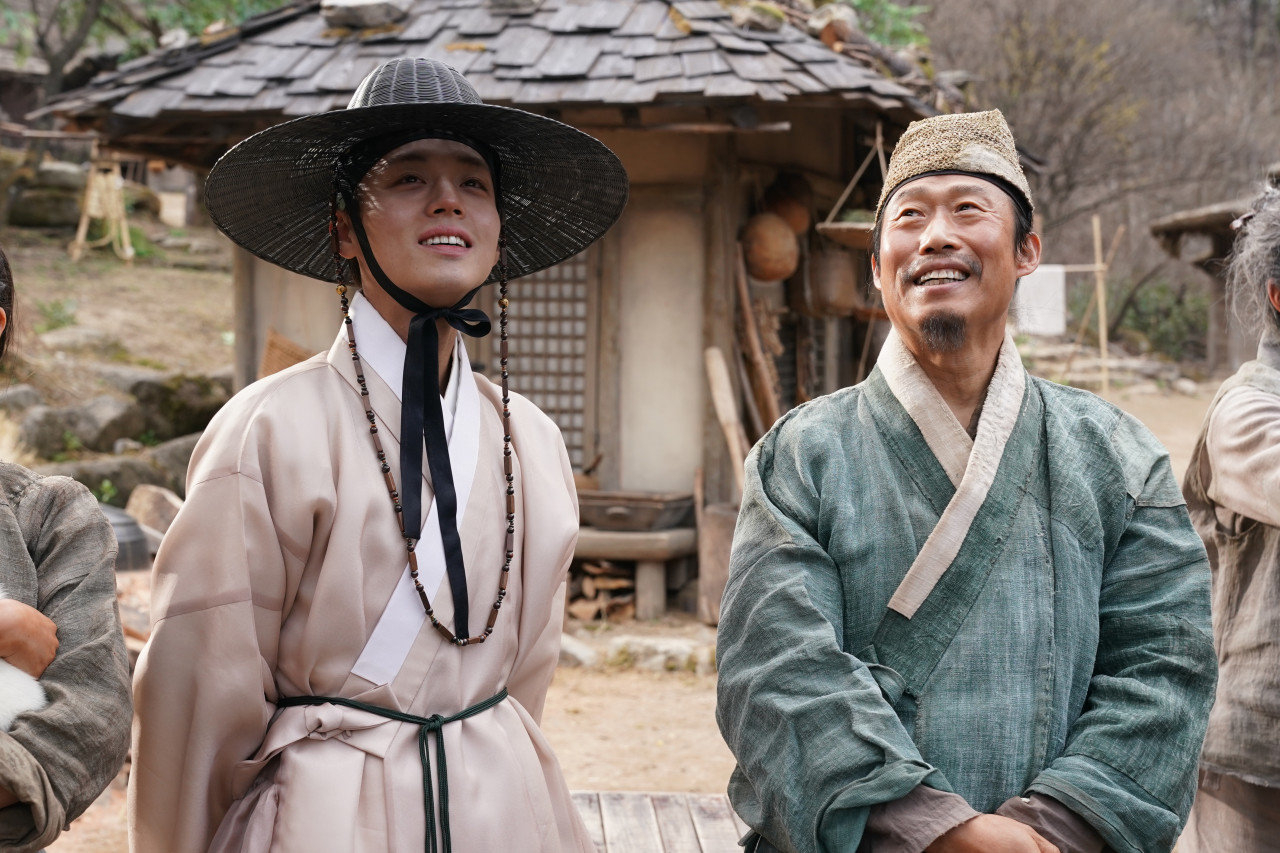
In the final moments of “The King’s Warden,” the camera lingers on one searing image: Um Heung-do, played by Yoo Hae-jin, clutches a bowstring, every muscle in his face tense with grief.
In that stillness, the weight of history and emotion come through — not in words, but in the expressions on his face.
That effect is no accident. It reflects the work of veteran makeup director Song Jong-hee, who has spent more than three decades shaping the look of Korean cinema.
“Makeup transforms actors into their characters, allowing audiences to immerse themselves in the lives being portrayed,” Song, 56, told The Korea Herald in a written interview on March 10.
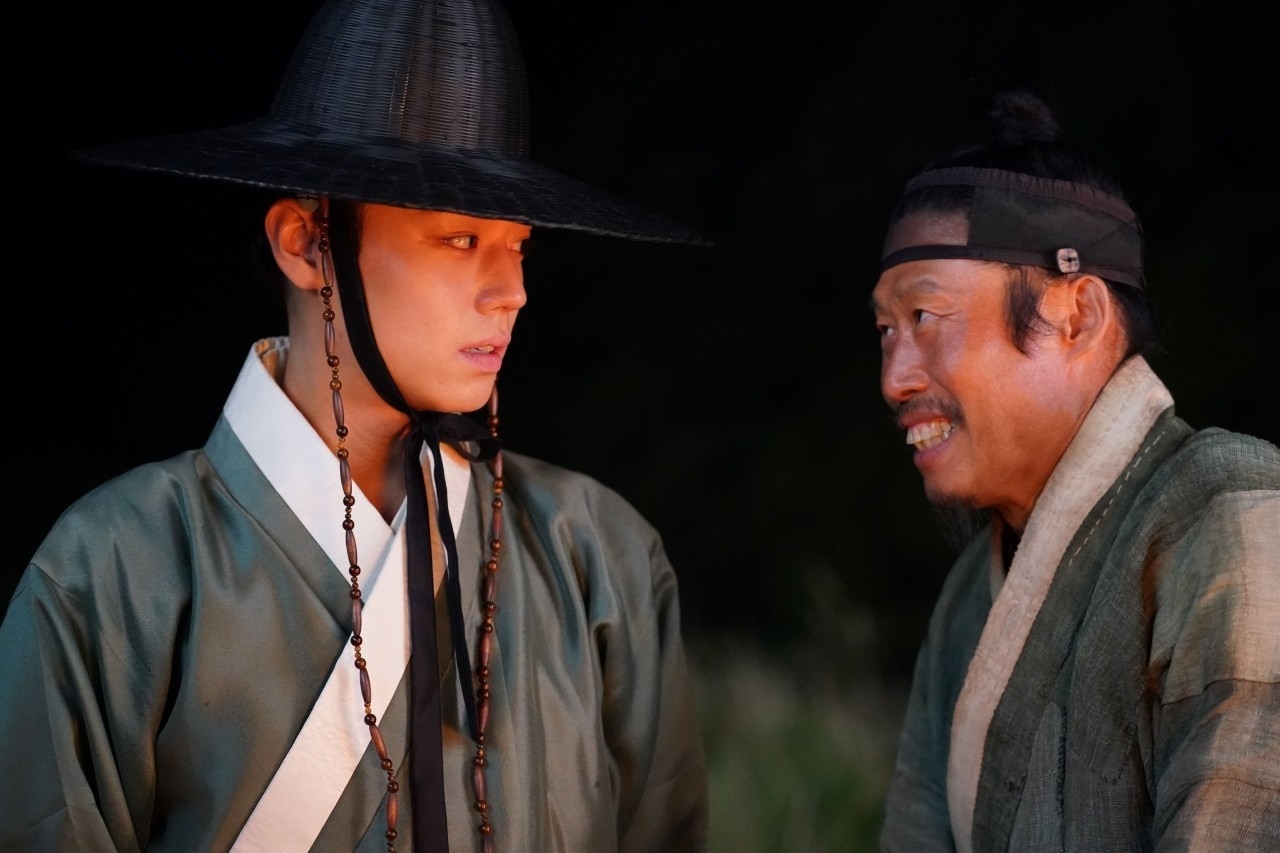
That philosophy was central to a movie that offers a fictionalized take on Korean history, tracing the friendship between village chief Um Heung-do and Lee Hong-wi, the deposed King Danjong of the Joseon Kingdom (1392-1897) played by Park Ji-hoon, during his exile in a remote village. Directed by Jang Hang-jun, the film, released late last year, currently ranks as the third-most-watched film of all time in South Korea, with over 16 million ticket sales.
For its makeup director, the biggest challenge was balancing historical accuracy with making the characters feel real — as if they came from 1450 — and believable on screen, Song said.
She said her work began with reading and re-reading the script.
“I begin by understanding what the characters have been through. Historical research is essential, but I placed greater emphasis on how they lived in that time,” she explained.
She then spent time identifying and familiarizing herself with every detail, conceptualizing ideas for each character, and came up with a scene-by-scene breakdown.
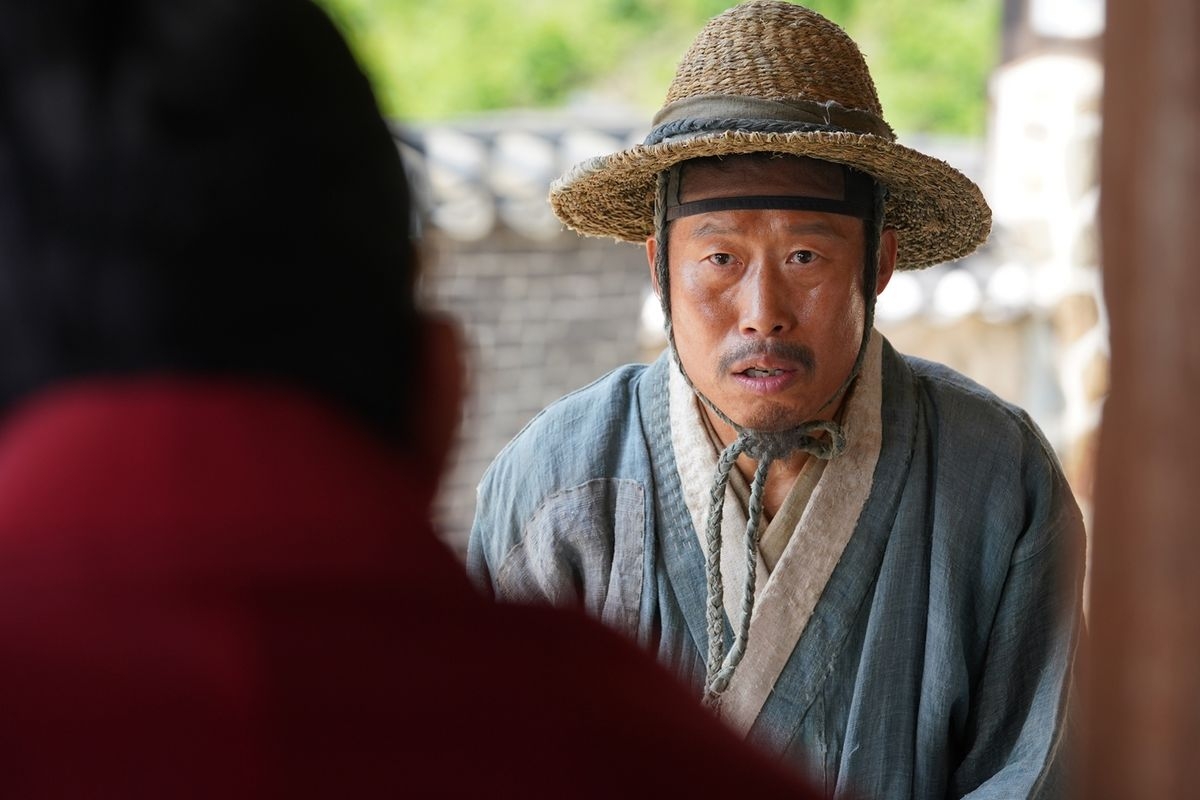
Speaking about her approach to Um Heung-do, Song said she aimed to portray the character as a quietly resilient, fatherly figure with a sense of warmth.
The character’s visual transformation was intentional.
At first, he appears lively and open, but, following his interactions with the dethroned young king, his attitude and appearance gradually shift, reflecting growing seriousness and emotional burden.
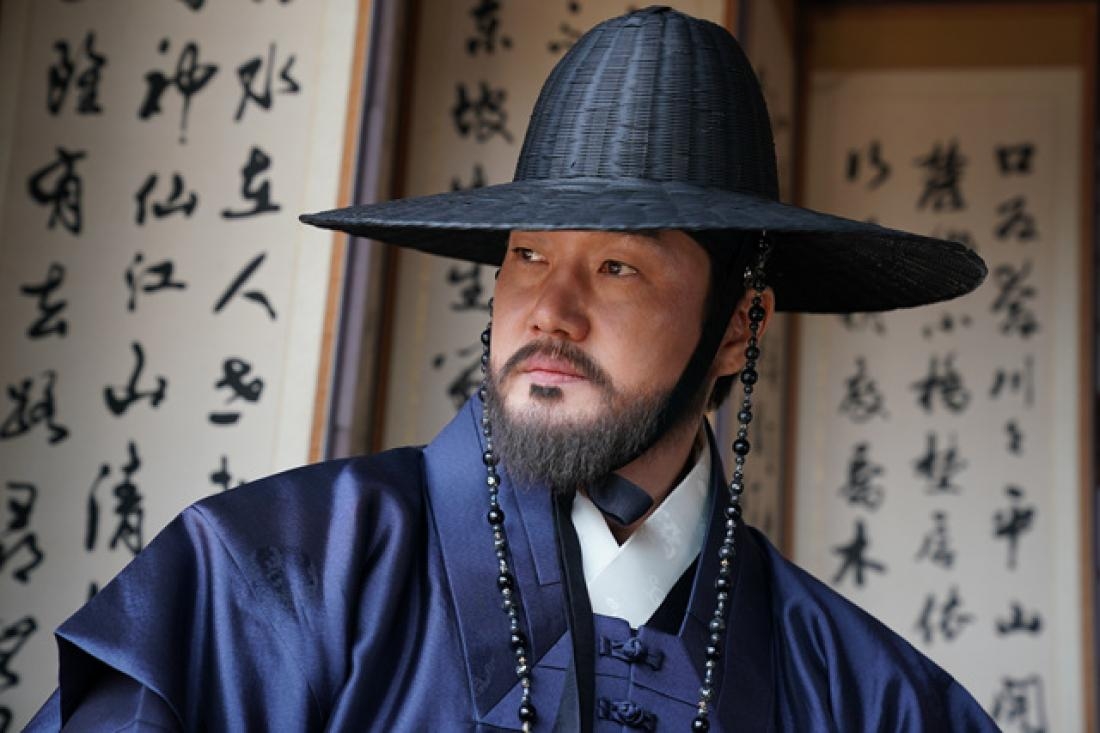
On the other side of the ledger, Song wanted Han Myeong-hoe, a key aide to King Sejo, played by Yoo Ji-tae, to project a sense of restraint and control, highlighting his power as a “kingmaker” behind Sejo’s rise to the throne.
She used subtle detailing in his brown eyebrows and beard to reflect the figure’s ambition and power, giving him an intimidating look.
In contrast, Song said Lee Hong-wi, the dethroned king, undergoes the film’s most noticeable transformation. She said she began with a simple idea: He would be clean-shaven, like a delicate, vulnerable boy.
Dethroned and exiled, he starts out withdrawn and fragile, but his visual presence shifts as he regains confidence and grows into his role as king through his interactions with the villagers. This transformation is carefully captured through makeup.
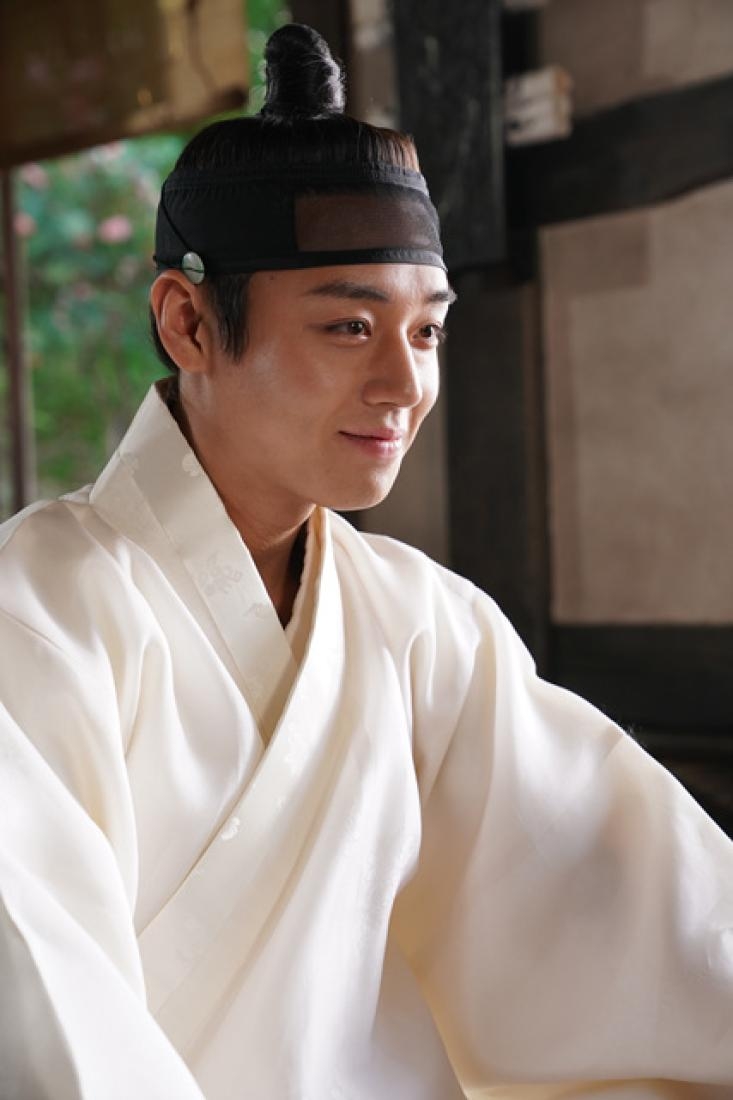
“Park Ji-hoon’s eyes carry both sadness and a powerful presence. Rather than covering the dark circles under his eyes, I chose to leave them to add to the character’s sense of sorrow,” Song explained.
A team of 11 people, including Song, worked on the movie. From fitting topknots and facial hair in the early mornings, it took hours to prepare. On set, they continuously adjusted the makeup between scenes to match shifts in the character’s emotions.
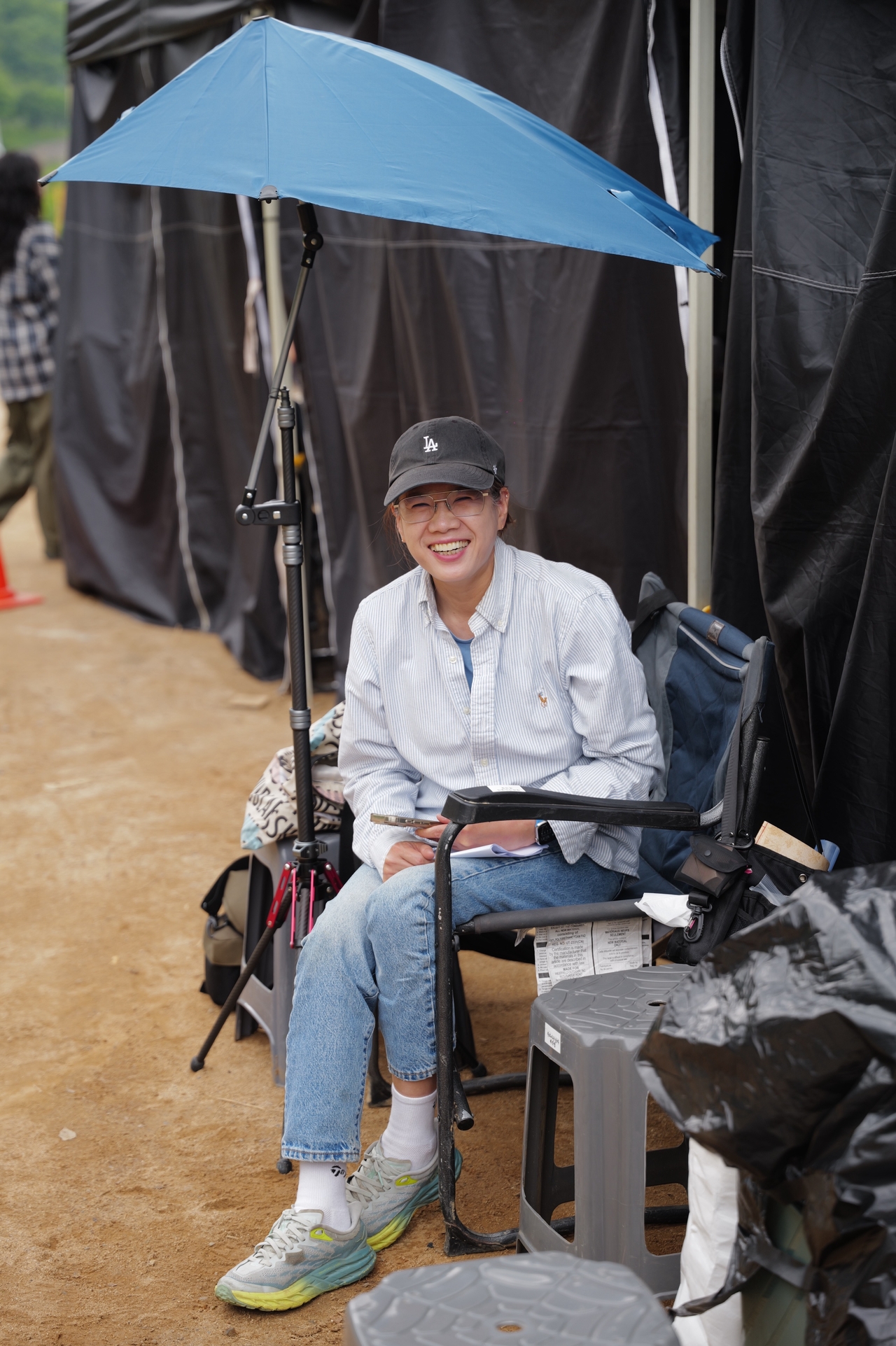
Song stepped into the world of movie makeup in 1995 through the comedy film “Affliction of Man,” starring late actor Ahn Sung-ki and Kim Hye-soo.
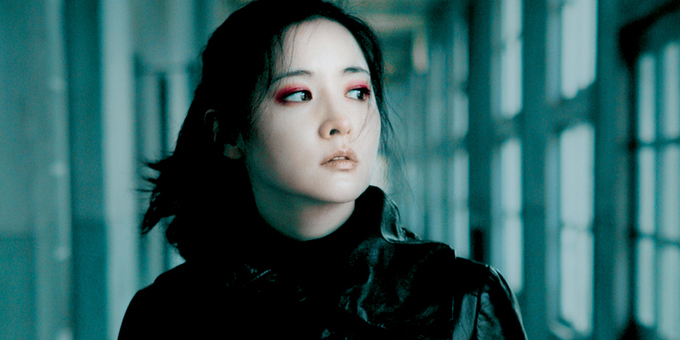
Since then, she has shaped the face of Jeon Do-yeon in “The Contact“ (1997) and Lee Young-ae’s red eyeshadow in Park Chan-wook’s “Sympathy for Lady Vengeance“ (2005) that defined the character’s visual identity, marking the shift from a kind-hearted prisoner to a cold figure.
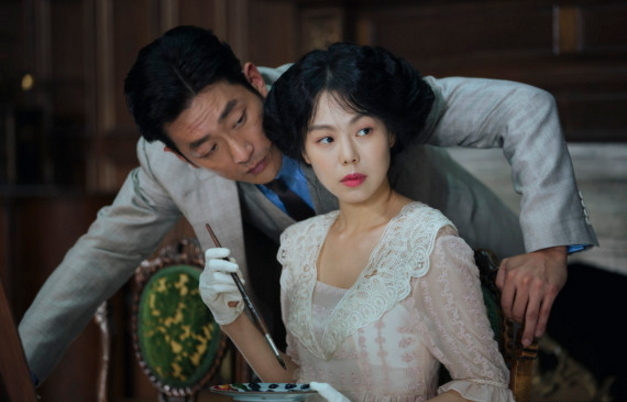
Also among Song’s creations are actor Song Kang-ho’s bleached hair in Oscar-winning film director Bong Joon-ho’s “The Host” (2006), and Kim Min-hee’s soft pink lids paired with a matching full lip in “The Handmaiden” (2016) to depict her as a young, delicate Japanese heiress.
Having worked extensively on both historical films and contemporary works, Song said the two are, as one might expect, very different.
In historical films, facial hair and beards often play a key role in defining characters, while contemporary makeup relies more on color and tonal detail to convey personality and emotion.
She added that in historical works in particular, restraint is especially important, stressing that makeup should not stand out, but instead quietly blend into a character’s life.
Advances in camera technology have also shaped Song’s approach to character portrayal. As high-resolution cameras capture even the smallest details, the focus has shifted from shaping the face to refining skin texture.
“In the past, we focused only on shaping the face,” Song said. “Now, it’s not about just decorating the face — it’s about the smallest details, even the texture of the skin and how natural it appears on screen.”
She added that this kind of work depends on close collaboration with actors, something she describes as one of the “most rewarding parts of her craft.”
Among the 73 projects Song has worked on, “The King’s Warden” holds a special place in her heart.
“I find it meaningful when an actor looks in the mirror and no longer sees themselves, but the character they are playing. To my surprise, that happened on the set of ‘The King’s Warden,’” Song recalled.
“At one point, the actors stopped checking mirrors, which I thought was a sign that they had fully settled into their roles,” Song noted.
Asked what defines good makeup, Song said it never overshadows the character. “Makeup shouldn’t stand out or distract from the actor’s performance. It should convey the character’s growth as they change over time,” she said.
“As a makeup director, I hope moviegoers can see the layers in that face, from the character’s suffering to the passage of time, after they watch the film. I would be more than happy if they could trace that,” Song said.
junheee@heraldcorp.com