Jun Sang-soo aims to expand e-parliament systems through IPU
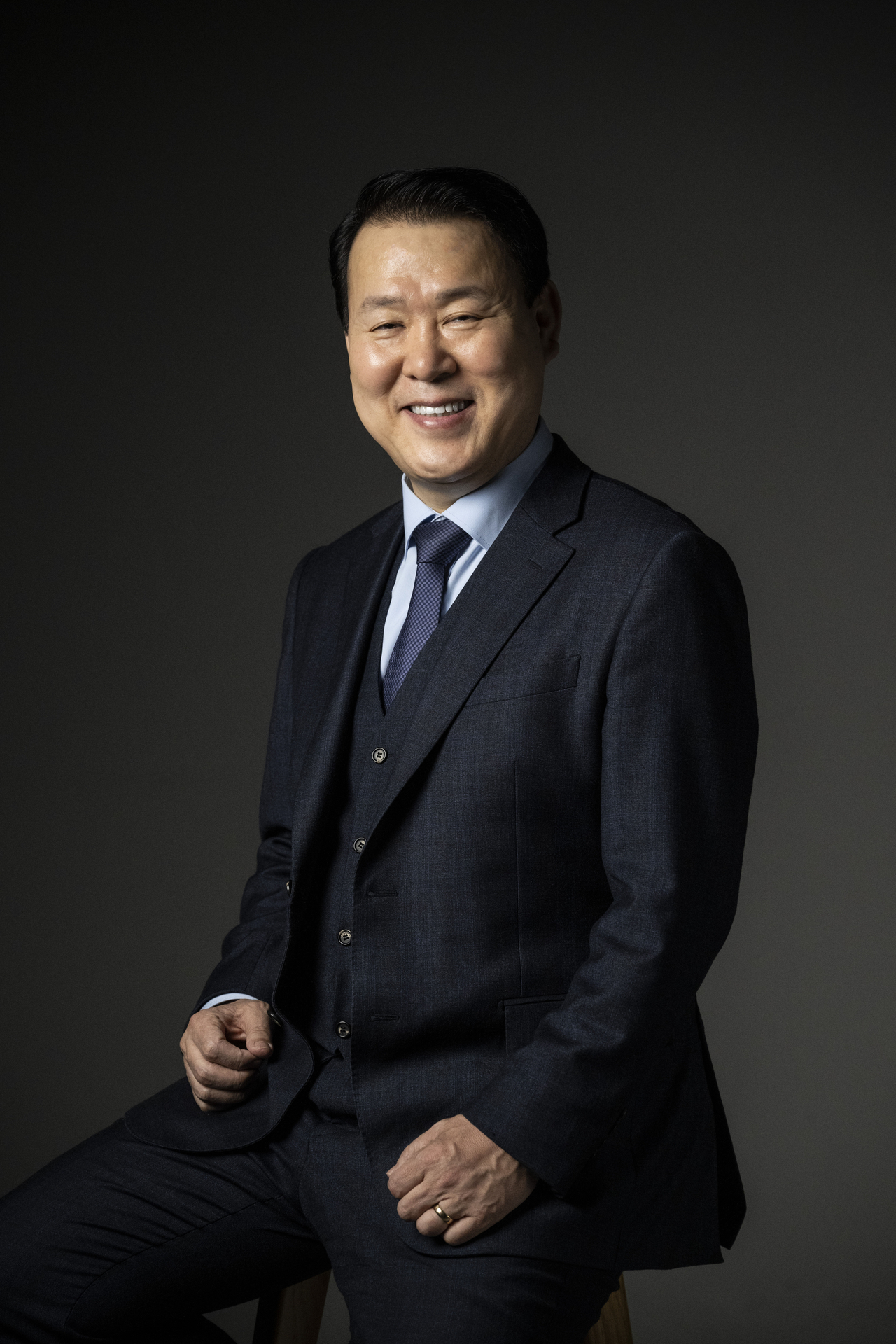
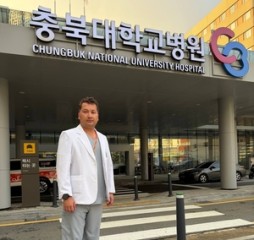
Jun Sang-soo, a former vice minister-level official at South Korea’s National Assembly, is positioning himself as a technocratic candidate focused on digital transformation and inter-parliamentary cooperation as he runs for secretary-general of the Inter-Parliamentary Union.
Jun, who spent three decades at the Assembly from 1992 to 2022, is known for helping introduce Korea’s electronic parliamentary system, often cited as one of the world’s most advanced e-parliament models. He currently serves as an advisor at Samsung Financial Networks, a Samsung Group brand launched in 2022 to boost synergy among its financial units, including Samsung Fire & Marine Insurance.
“Digital systems enable faster decision-making, which strengthens the resilience of parliamentary democracy,” Jun said. “They also allow citizens to exercise their right to petition online, effectively reinforcing participatory elements within representative democracy.”
He pointed to South Korea’s recent political turmoil as an example of how such systems can function in practice.
“While former President Yoon Suk Yeol’s Dec. 3, 2024, declaration of martial law disrupted parliamentary functions, lawmakers were able to convene quickly and process key motions without delay through digital systems, ultimately lifting the decree,” he said.
“This demonstrated how a digital parliament can help restore legislative functions in times of crisis.”
He and his wife, Lee Eun-mee — a longtime budget analysis director at the National Assembly — are also known as an “assembly couple,” reflecting their combined experience in legislative affairs.
The Inter-Parliamentary Union, founded in 1889, is a global body of national parliaments that promotes dialogue and cooperation. Its secretary-general serves as the top administrative official, overseeing programs and budget execution while facilitating parliamentary diplomacy among its 183 member states.
Jun described the role as one that goes beyond administration.
“The secretary-general must ensure that the IPU functions not just as an administrative body, but as a platform that actively connects parliaments and sustains dialogue, especially in times of division,” he said.
In an interview with The Korea Herald on Thursday, Jun outlined his vision for strengthening parliamentary cooperation at a time of growing global instability.
Q: Why did you decide to run for the IPU secretary-general position?
A: My connection to the IPU goes back about 30 years, when my wife worked on IPU-related affairs at the National Assembly. More recently, witnessing how Korea overcame the martial law crisis in 2024 through parliamentary and judicial institutions reinforced my belief in the role of legislatures. I wanted to share Korea’s experience — particularly in digital parliament systems — with the international community.
Q: What are your key policy priorities if elected?
A: I propose a “3I strategy” — innovation, inclusion and impact. In terms of innovation, I aim to support the expansion of AI-based e-parliament systems. For inclusion, I propose establishing an AI academy to enhance capacity and knowledge-sharing among parliaments. For impact, I plan to create a legislative support center to strengthen policy research and fiscal analysis.
Q: How do you view the role of digital technology in legislatures today?
A: Digital technologies can make parliaments more transparent and efficient, while expanding public participation. At the same time, we must address risks such as misinformation and cyber threats. It is important to maintain institutional trust while adopting new technologies.
Q: What are the strengths of e-parliament systems?
A: First, digital platforms can strengthen participatory democracy by enabling citizens to exercise rights such as petitions more easily. Second, they allow faster decision-making. With traditional paper-based processes, legislative procedures can be slow. Digital systems make it possible to respond more quickly, which enhances the resilience of parliamentary democracy.
Q: How do you assess the current global political environment, and what role should the IPU play?
A: We are seeing rising geopolitical tensions, political polarization and declining trust in democratic institutions. Complex crises such as pandemics and conflicts have made international cooperation more necessary than ever. The IPU can serve as a platform to sustain dialogue, even when government-level diplomacy faces difficulties, and help ease tensions through parliamentary engagement.
Q: What role can parliamentary diplomacy play in global cooperation?
A: Parliamentary diplomacy becomes even more important when government-level diplomacy is stalled. Parliaments can maintain dialogue more flexibly and address a wider range of issues. As representative institutions, they can also contribute to easing tensions and rebuilding trust in a more inclusive way.
Q: How should participation by youth and women be expanded in politics?
A: Participation should not remain at a declarative level but be institutionally guaranteed. Expanding participation by youth and women is essential to restoring trust in legislatures. Digital platforms can help strengthen communication with younger generations, while institutional barriers must be removed to ensure meaningful participation by women.
Q: What sets you apart from other candidates?
A: I have accumulated 30 years of parliamentary experience in legislation and budget management. I also have hands-on experience in developing e-parliament systems, including the paperless assembly initiative in 2005 and remote voting proposals. In addition, I have maintained fairness and neutrality despite partisan conflicts, which is essential for this role.
Q: What lessons does Korea’s democratic experience offer to the international community?
A: Korea is a rare case that achieved both economic growth and democratic consolidation within a single generation, transforming from a war-torn aid recipient into a major economy and donor country, with the National Assembly playing a central role. This experience offers practical guidance for parliaments in the Global South.
Jun is one of five finalists shortlisted for the position. The IPU is expected to narrow the field following an executive committee interview on April 12, with the final selection to be made by secret ballot at an assembly of representatives from its 183 member parliaments on April 19.
Other candidates include Greece’s Dionysia-Theodora Avgerinopoulou, a four-term lawmaker; Romania’s Anda Filip, a senior IPU official; Senegal’s Fatou Dieng Thiam, a UN political director; and Sweden’s Cecilia Widegren, a former lawmaker and former IPU vice president.
If elected, Jun would become the first Asian secretary-general in the IPU’s 137-year history and its ninth secretary-general.
flylikekite@heraldcorp.com