Inside 'Narye,' a thousand-year-old palace celebration
On the English-language website of the National Gugak Center, “Narye” is described as a royal exorcism rite, a year-end ritual and celebration through which Korean ancestors sought to drive out evil spirits and welcome the new year.
From that brief introduction, one can expect a traditional, palace-scale version of “KPop Demon Hunters.” On Lunar New Year’s Eve, the palace gates were opened after dark, allowing the finest performers and children from outside the palace to join court musicians for what became the most dazzling night of the royal calendar.
Historical records trace Narye back to at least the year 1040, the sixth year of King Jeongjong’s reign in the Goryeo Kingdom (918-1392). The record does not describe it as a first-time event, but as a customary one. Even taking 1040 as a reference point, Narye boasts a history stretching back more than a millennium.
So freewheeling was the atmosphere that official chroniclers were excused from recording the day’s events. These were, after all, the same historians who were expected to write “do not record this” even when ordered by the king. As a result, no detailed account of a Joseon-era Narye performance survived. Scholars instead reconstruct the ritual through preparation records and accounts of what followed.
That historical ambiguity became fertile ground for imagination. Drawing on those fragments, the National Gugak Center and director Park Dong-woo rebuilt what was once an all-night palace celebration into a 90-minute performance, with storytelling and newly created dance filling in the gaps.
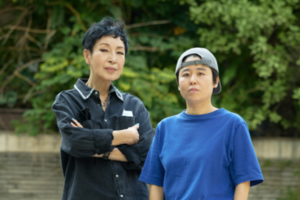
“Ultimately, I kept in mind that it carries the meaning of washing away the worries and anxieties of the past year, and wishing good fortune for everyone,” said a veteran stage designer and director Park in an interview with The Korea Herald on Tuesday. “I wanted it to feel like a hopeful festival — fun, energetic and joyful.”
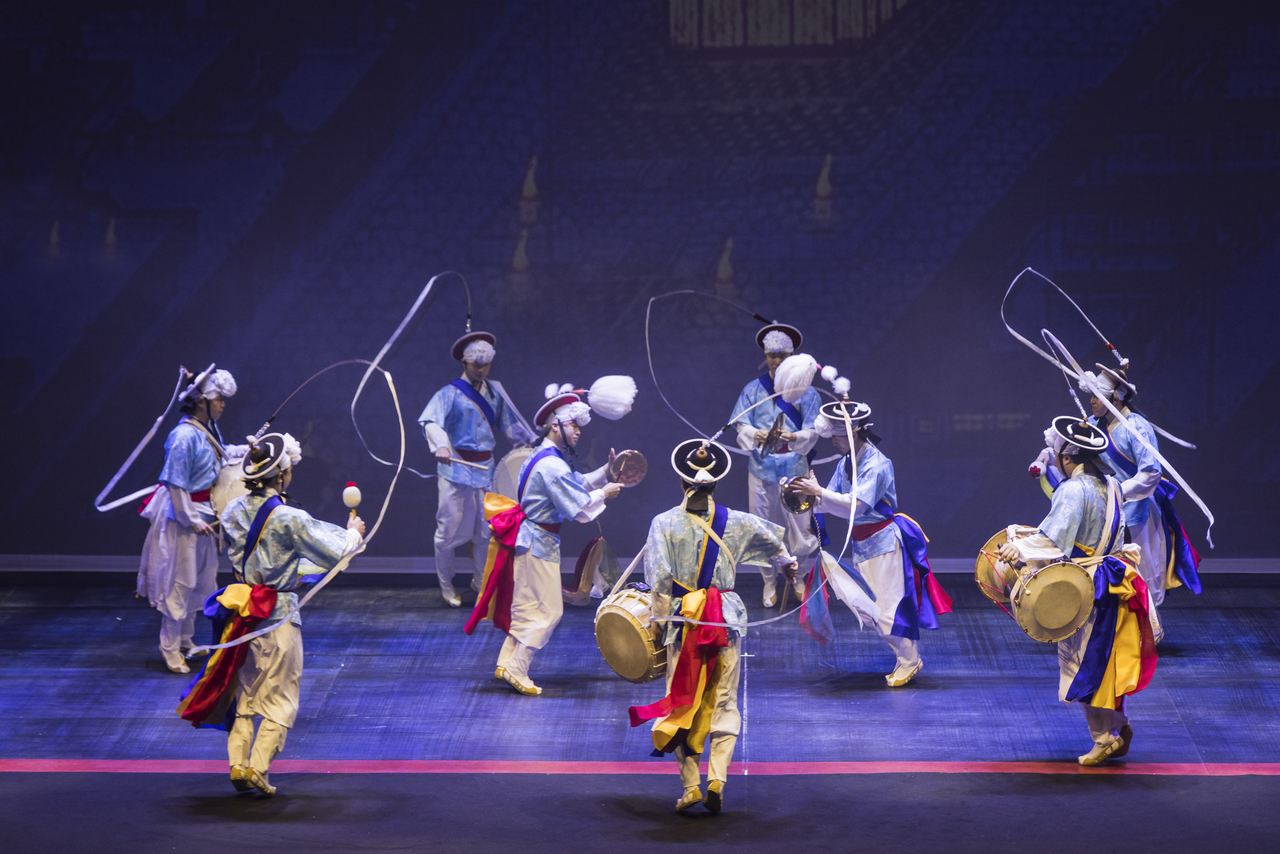
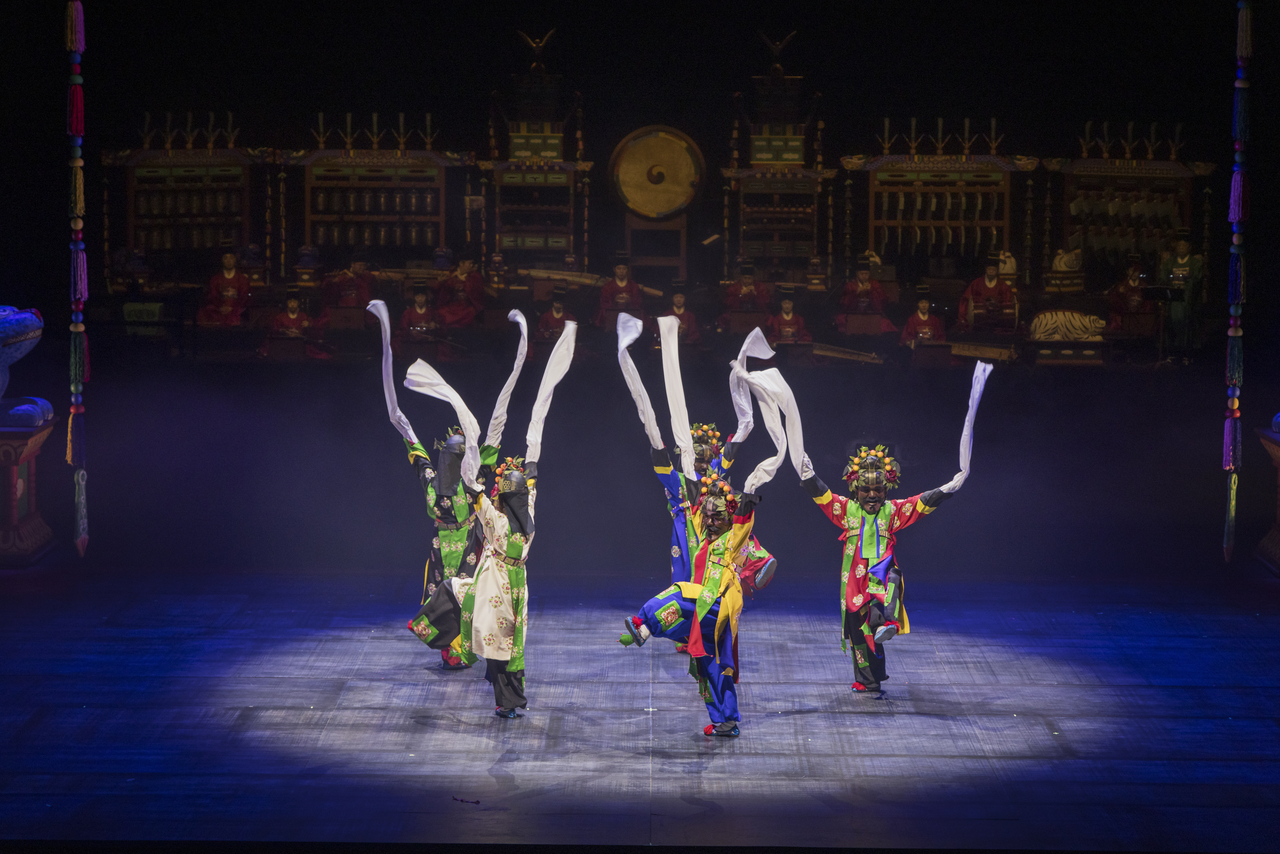
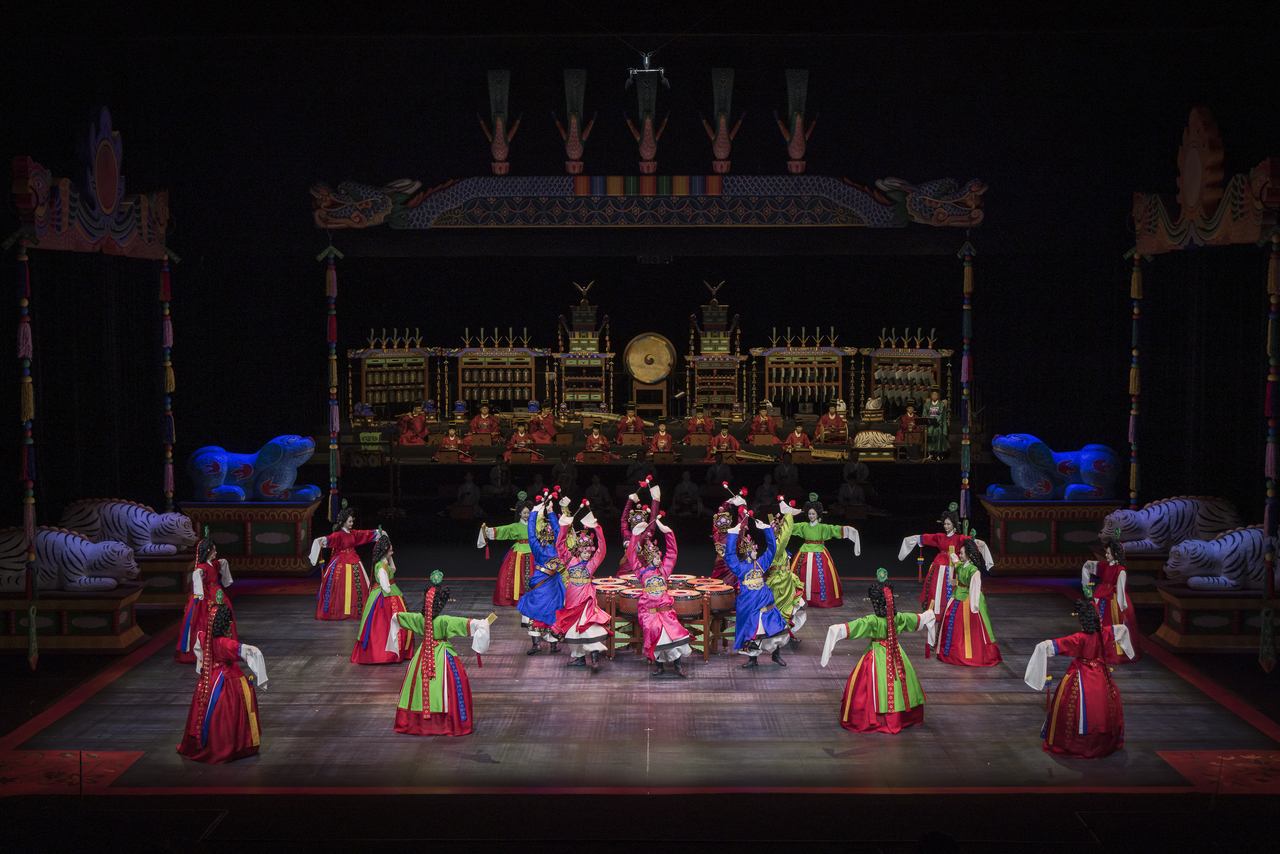
The performance is imagined in the courtyard of Changdeokgung. Structured as a four-part narrative, it opens with "Gocheonji": Performers ascend a hill as the thunderous sounds of daechwita (royal military music) and the dance of the Four Guardians announce the Narye to Heaven and Earth.
In the second act, attention shifts to the evil spirits. Traditionally, Koreans did not attempt to expel such spirits by force at first, said Park. Instead, they pleaded politely, offering food and music, asking the spirits to eat well and leave peacefully. When persuasion fails, lion dances erupt, shamanistic rites unfold and the elegant court melody "Boheoja" fills the space.
“In earlier days, the most feared ‘evil spirit’ was plague,” Park said. “Today, the production reinterprets that threat.” Two clown figures, who guide the story, hold up a mirror to contemporary society — touching on discrimination, division, hatred and lies, all of which threaten peaceful life.
This approach has historical precedent. One Joseon-era text observed that kings, living deep within palace walls, could not always hear the truth about politics or society. As a result, performers’ words, often satire delivered through performance, sometimes carried moral weight that could not be ignored. This was why Narye could not be abolished.
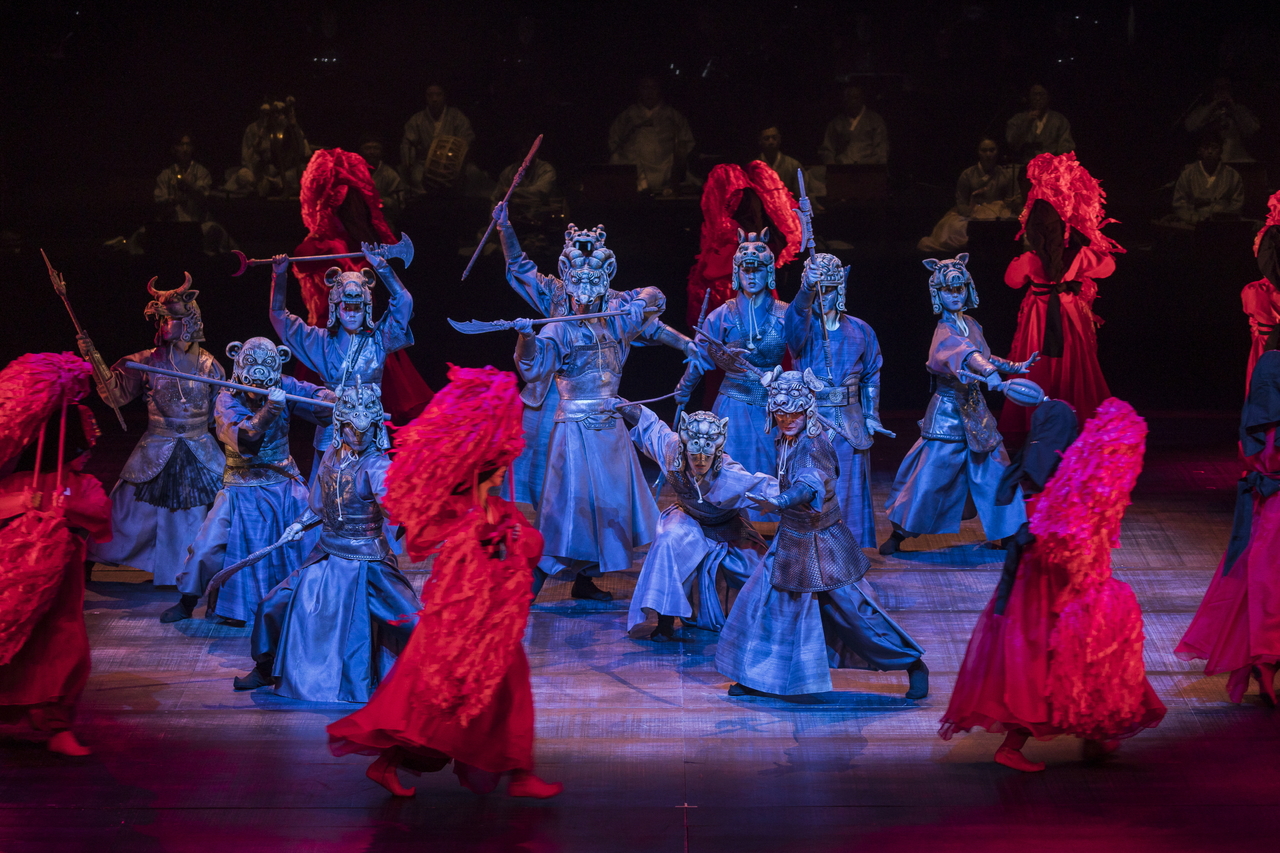
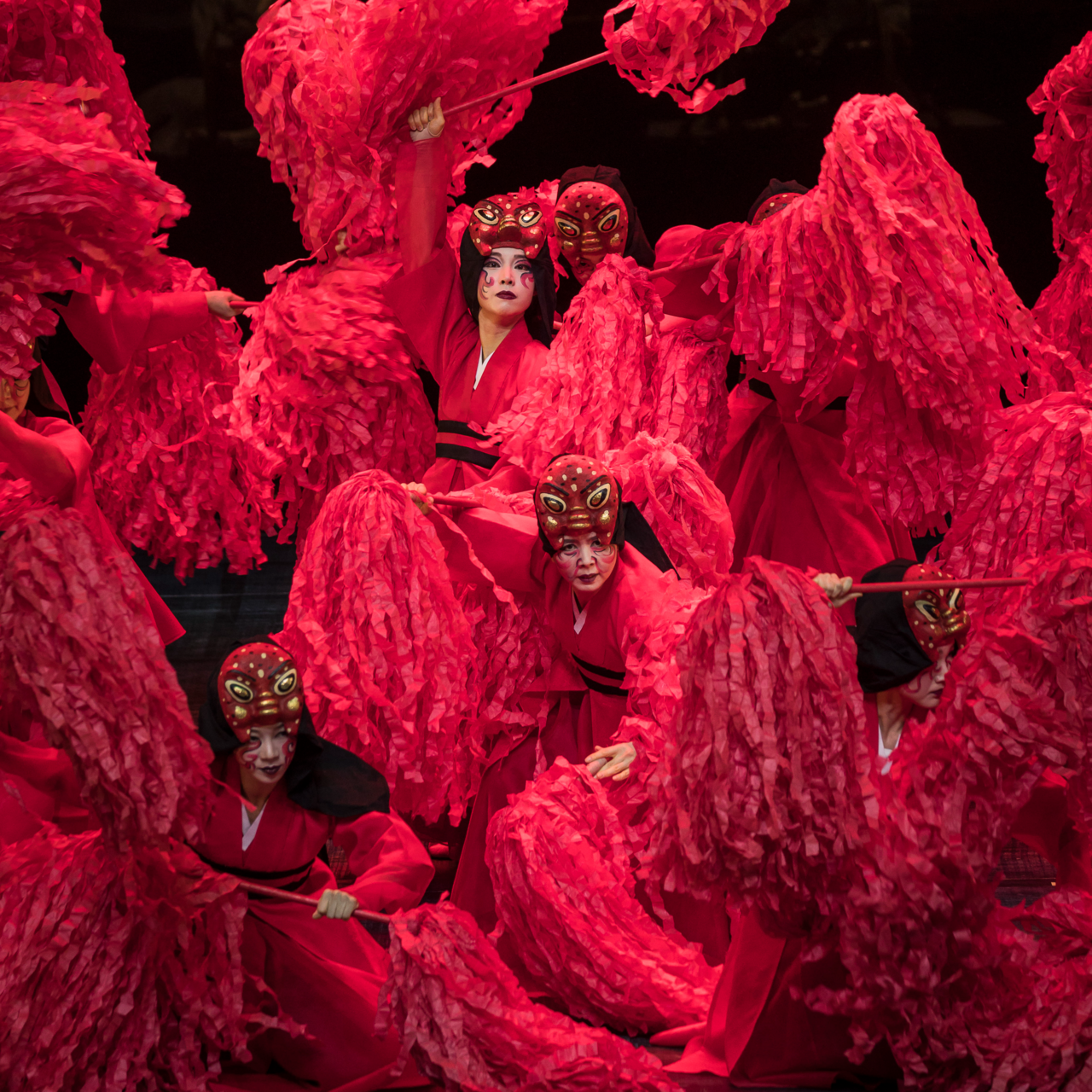
Still, in the performance, the spirits refuse to retreat. What follows is a series of dances designed to drive evil away by force, including the dance of "Bangsangsi," or a fearsome figure wearing a four-eyed mask, traditionally positioned at the front of funeral processions to ward off malevolent forces. The struggle intensifies with "Cheoyongmu," a dance long associated with chasing away disease. When even that proves insufficient, the stage fills with a dynamic showdown between the red-clad evil spirits and the dancers of the Twelve Zodiac Guardians.
Yet the spirits prevail. At last, a group of children appears, carrying branches of peach wood. Singing a simple folk tune, they perform the "Jinja" dance. The spirits dissolve quietly. With spirits finally banished, the celebration turns toward hope. In the final act, a prayer for great peace, media-art fireworks explode across the stage, echoing historical records of New Year’s Eve spectacles. The show concludes with a jubilant blend of music and dance that seals the wish for a tranquil year ahead.
“At its heart, Narye remains what it has always been,” the director said. “A collective act of renewal. And this was a ritual not just for the palace, but for the people. A night to drive away the troubles of the past year and pray, together, for peace and happiness in the next.”
“Narye” runs at the National Gugak Center through Sunday.
hwangdh@heraldcorp.com