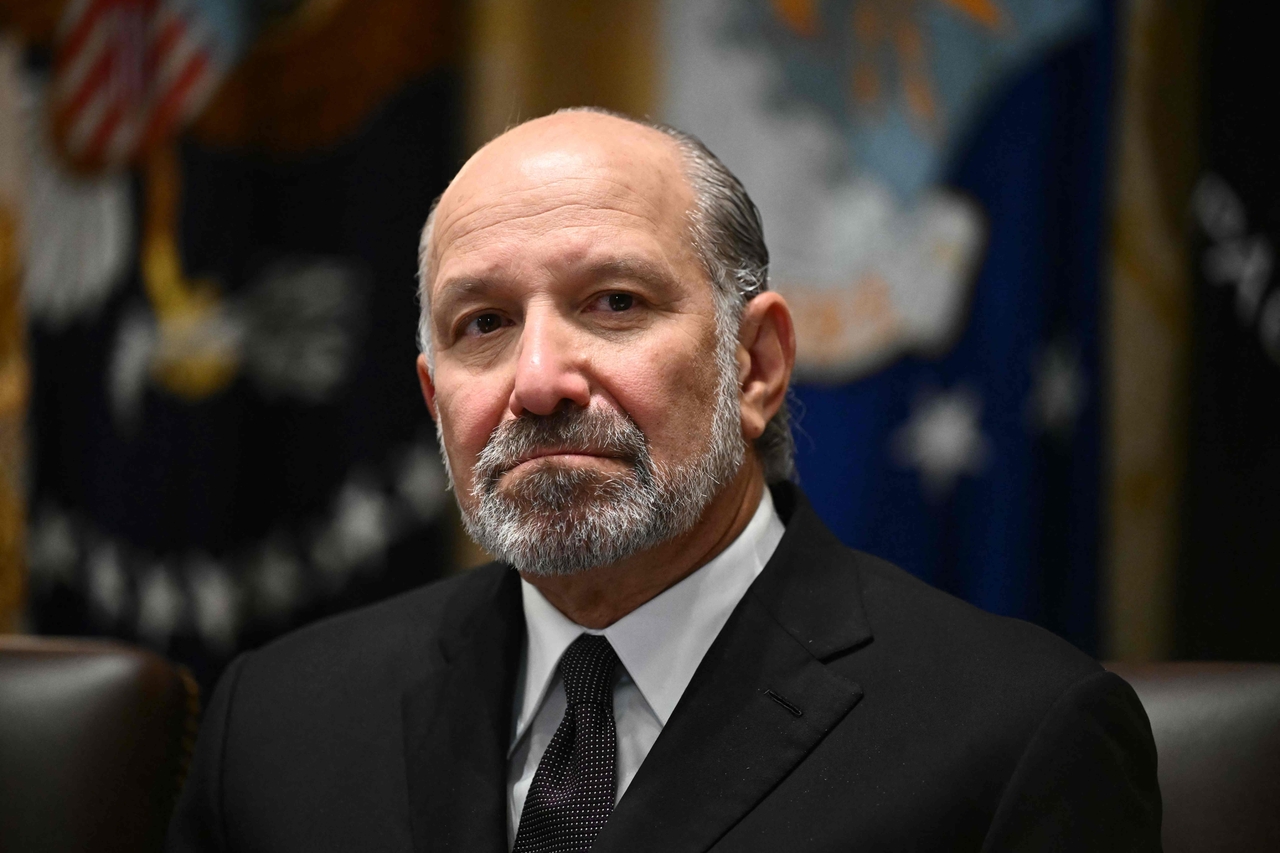
US Commerce Secretary Howard Lutnick said Thursday that South Korea should either accept a bilateral framework trade deal struck in July, or pay tariffs, amid an impasse in negotiations to work out specifics of the deal.
Lutnick made the remarks in a CNBC interview, noting that "there is no flexibility" when it comes to the deal.
Under the deal, Washington agreed to lower "reciprocal" tariffs on South Korea to 15 percent from the proposed 25 percent in return for Seoul's commitment to invest $350 billion in the United States and other pledges. The two sides have been in talks on the makeup of the investment package, profit sharing and other details.
"The Koreans didn't sign when the president was in ... You remember that he came to the White House. Notice how we didn't talk about trade because he didn't sign the piece of paper," Lutnick said, recalling the Aug. 25 visit by South Korean President Lee Jae Myung to Washington for a summit with President Donald Trump.
"I mean, the devil is in the details. I think they saw the Japanese now, so there's no flexibility. The Japanese signed the contract ... The Koreans either accept that deal or pay the tariffs. Black and white. Pay the tariffs or accept the deal," he added.
His remarks came as Korea's Industry Minister Kim Jung-kwan arrived in Washington to continue trade consultations with top US officials.
On Monday, Seoul's trade delegation engaged in negotiations with officials from the Commerce Department and the Office of the US Trade Representative, but failed to reach any breakthroughs.
Asked about the recent immigration raid that led to the arrest of more than 310 Korean workers, Lutnick said that Trump will "go out and address that."
"He knows that to build these great factories, we need leadership of people who built them before. He wants to do it fast," he said.
"I think he's going to make a deal with different countries that when they want to build big here, he'll find a way to get their workers proper work visas, meaning short-term work visas, train Americans and then head home. I think the president is very clear."
His remarks echoed Trump's earlier statement that signaled his willingness to explore legal ways to allow foreign firms investing in the US to legally bring their skilled workers to help train American workers. (Yonhap)