

Summer this year was hottest since 1973
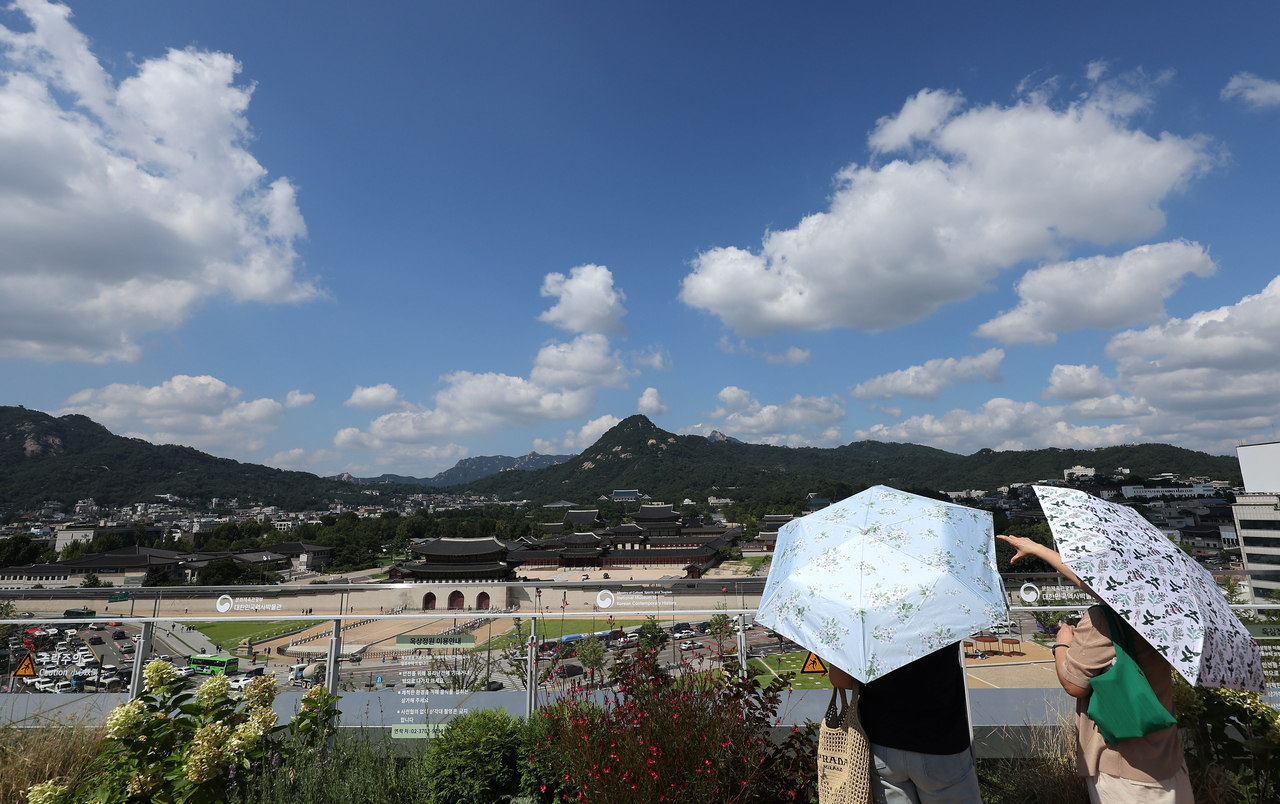
South Korea’s intense summer weather was largely fueled by high sea surface temperatures that drove up overall heat, prolonged heat waves and triggered torrential rainfall, the state weather agency said Thursday.
According to the Korea Meteorological Administration, the country’s average summer temperatures reached 25.7 degrees Celsius, the highest since 1973, when weather records were first collected. The average daily high temperatures hit 30.7 C, also the highest on record, while the average daily lows came to 21.5 C — the second highest on record.
Nationwide, the country saw an average of 28.1 heat wave days, when apparent temperatures exceeded 33 C, and 15.5 tropical nights, when overnight lows stayed above 25 C. Both figures ranked among the top five in weather records.
Between June and August, Seoul logged a record 46 tropical nights, marking a 3.5-fold increase compared to the city’s historical average. Other cities, including Busan, Incheon, Gangneung, Sokcho, Mokpo and Cheongju, also recorded the highest number of tropical nights in history.
Unlike 2024, when sweltering heat set in after the monsoon season ended in late July, this year’s scorching conditions began in late June. From June 29 to July 10, the highest average daily temperatures on record were logged nationwide. Particularly on July 8, temperatures in Gwangmyeong and Paju in Gyeonggi Province surged above 40 C.
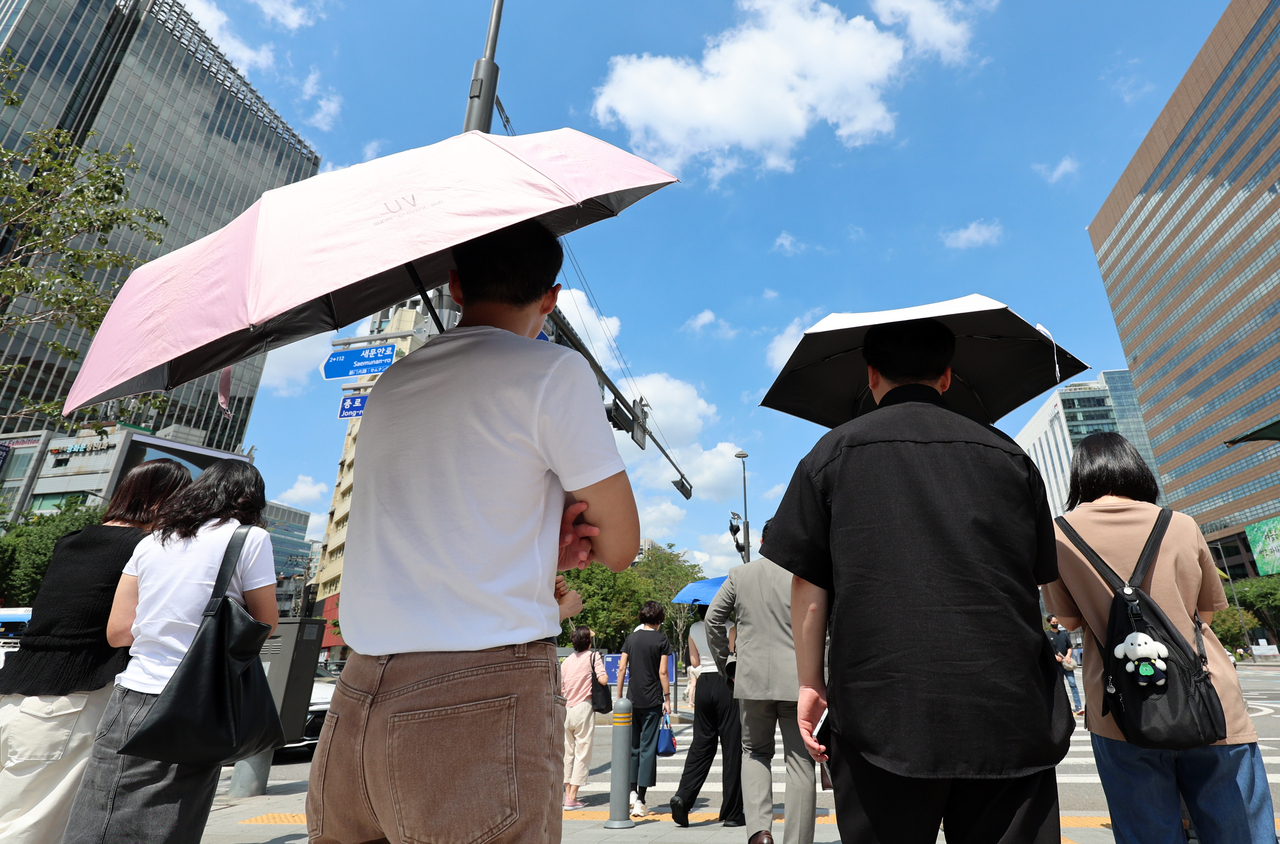
Tropical nights also arrived earlier than usual. Daejeon and Gwangju recorded their earliest tropical nights on June 19, while Busan and 18 other cities nationwide recorded their first tropical nights of the year on July 1.
According to the KMA, this year’s early heat stemmed from the unusually fast expansion of the North Pacific high-pressure system, which spread northward earlier than usual due to warm sea surface temperatures around the Korean Peninsula and stronger convection in the western Pacific.
The seas around the Korean Peninsula saw their average temperatures soar to 23.8 C, the second-highest recorded in the past decade after last year’s record at 24 C.
“The heated Pacific acted as an energy source, pushing the subtropical high-pressure system northward and cutting the monsoon season short in Korea, creating ideal conditions for high temperatures,” said the state weather agency in Thursday’s press release.
Additionally, while Korean weather usually cools in late August, the KMA noted that temperatures stayed high this year.
“The Tibetan high-pressure system and the North Pacific high-pressure system overlapped with one another above the Korean Peninsula from mid-to-late August, creating a double high-pressure system that locked the country under oppressive heat, even in late August,” the KMA stated.
South Korea’s summer rainfall also totaled 619.7 millimeters, around 85 percent of the seasonal average. The number of monsoon days was recorded to have lasted only 13 to 15 days, noted as the second lowest on record since 1973.
Instead, extreme downpours concentrated in the southern parts of the country were recorded, triggering landslides and floods in heavily hit regions, including the South Jeolla and South Gyeongsang provinces.

From July to August, Korea saw 13 cases of rainfall exceeding 100 mm per hour. Between July 16 and 20, 200 to 700 mm of rain fell nationwide, as cold northerly winds clashed with a stalled pressure trough holding humid air above the Korean Peninsula.
In contrast, the east coast, including Gangwon Province, saw the fewest rainy days ever recorded, receiving just 232.5 mm of rain between June and August.
Instead, the area was placed under drought risk, with the main source of tap and industrial water in Gangneung, Gangwon Province, still recording daily record lows.
Gangneung has been hit with a flash drought since July, caused by scarce rainfall and record-breaking heat waves that quickly evaporate water sources. As of Thursday morning, water reserve rates at Obong Reservoir, the largest source of water for the city, were recorded at 13.7 percent — its lowest on record.
As sea surface temperatures continue to grow warmer over the years, the KMA added that Korea may face “longer and harsher summers in the coming years,” with higher chances of more intense swings between droughts and downpours.
lee.jungjoo@heraldcorp.com