Think tank says Korea-US alliance can withstand tariff strains, with room to renegotiate steel and deepen economic integration
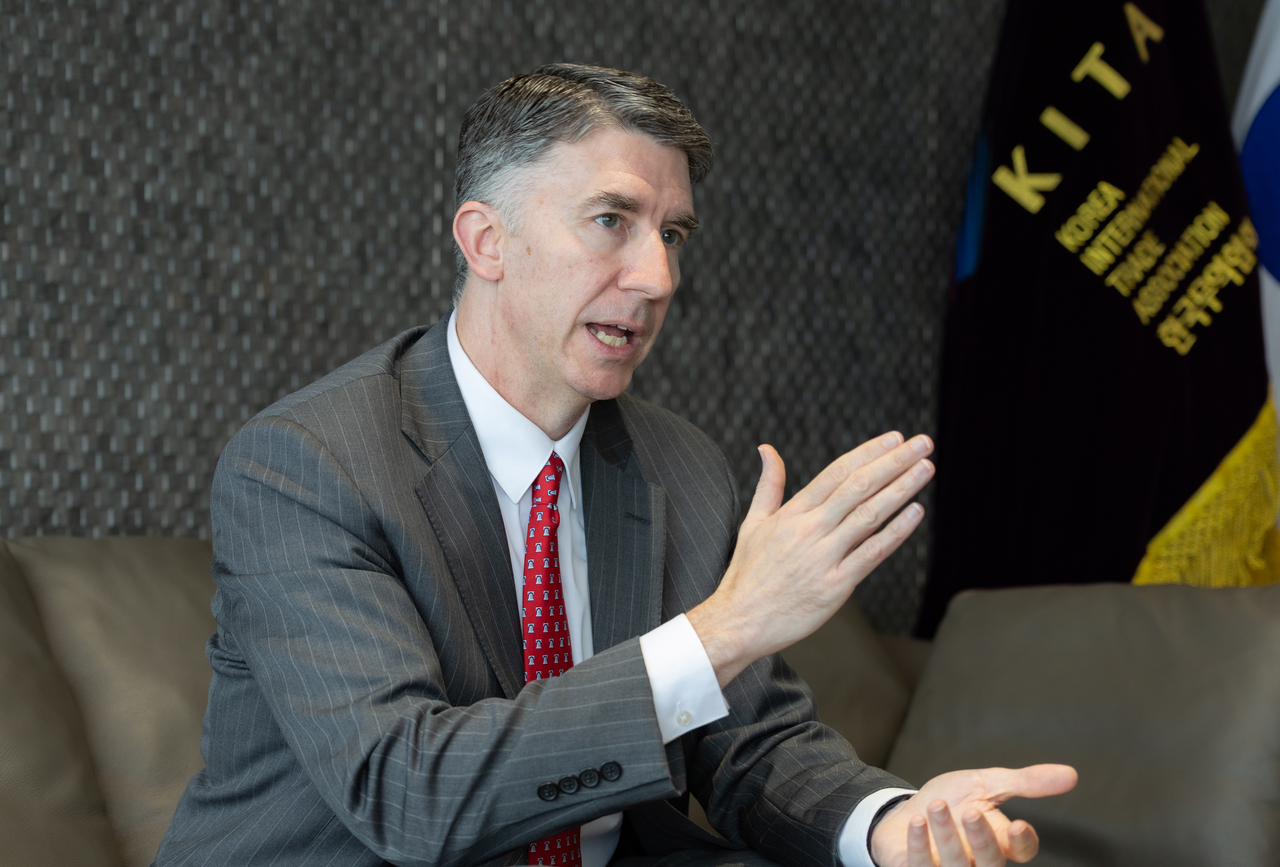
US tariffs on South Korean products may still be open to renegotiations, experts at The Heritage Foundation said, stressing the alliance is strong enough to weather trade-related turbulence and could become even more economically integrated as a result.
In an interview with The Korea Herald and its sister publication, Herald Business, in Seoul last Thursday, Derrick Morgan, executive vice president at the conservative think tank in Washington, said there is “certainly hope” for revisions, particularly on intermediate goods such as steel that are critical to make American manufacturing more competitive.
“No deal is final until all pieces are final. Even final deals sometimes are renegotiated,” said Morgan. “It has to be a fluid situation, and we have to push for free and fair trade at the same time.”
Morgan, joined by Anthony Kim, a research fellow at The Heritage Foundation, was in Seoul for a forum on the Korea-US alliance, hosted by the Korea International Trade Association.
Kim echoed Morgan’s view that there is room for further exemptions or reductions in the tariffs, citing shipbuilding and energy as areas where the two countries could expand cooperation.
“South Korea is the only country who can talk about shipbuilding and nuclear energy cooperation in a practical sense,” said Kim. “And in terms of ensuring that cooperation, I think we can talk about further exemptions and reductions. So we do have space to talk about further reductions.”
The remarks come as Seoul faces a 15 percent tariff imposed by Washington. The rate is lower than the initially proposed 25 percent — reduced under a deal tied to Seoul’s $350 billion investment pledge in the US — and lower than those applied to some other trading partners. Still, it marks a significant increase for Seoul, which had long enjoyed near-zero tariffs under the bilateral free trade agreement.
Beyond these “reciprocal tariffs,” South Korea’s export-dependent economy is also under added strain from 50 percent duties on steel and aluminum. The impact was immediate: steel exports to the US plunged more than 25 percent in July from a year earlier, according to KITA. With higher tariffs also covering steel-derived products, such as machinery, automotive components and electronic devices that contain steel, concerns are mounting that the fallout could ripple across Korea’s broader export sectors, well beyond steel manufacturing.
Amid rising unease about the Donald Trump administration’s tariff policies and souring public sentiment in Korea, Kim stressed that South Korea is not the intended target.
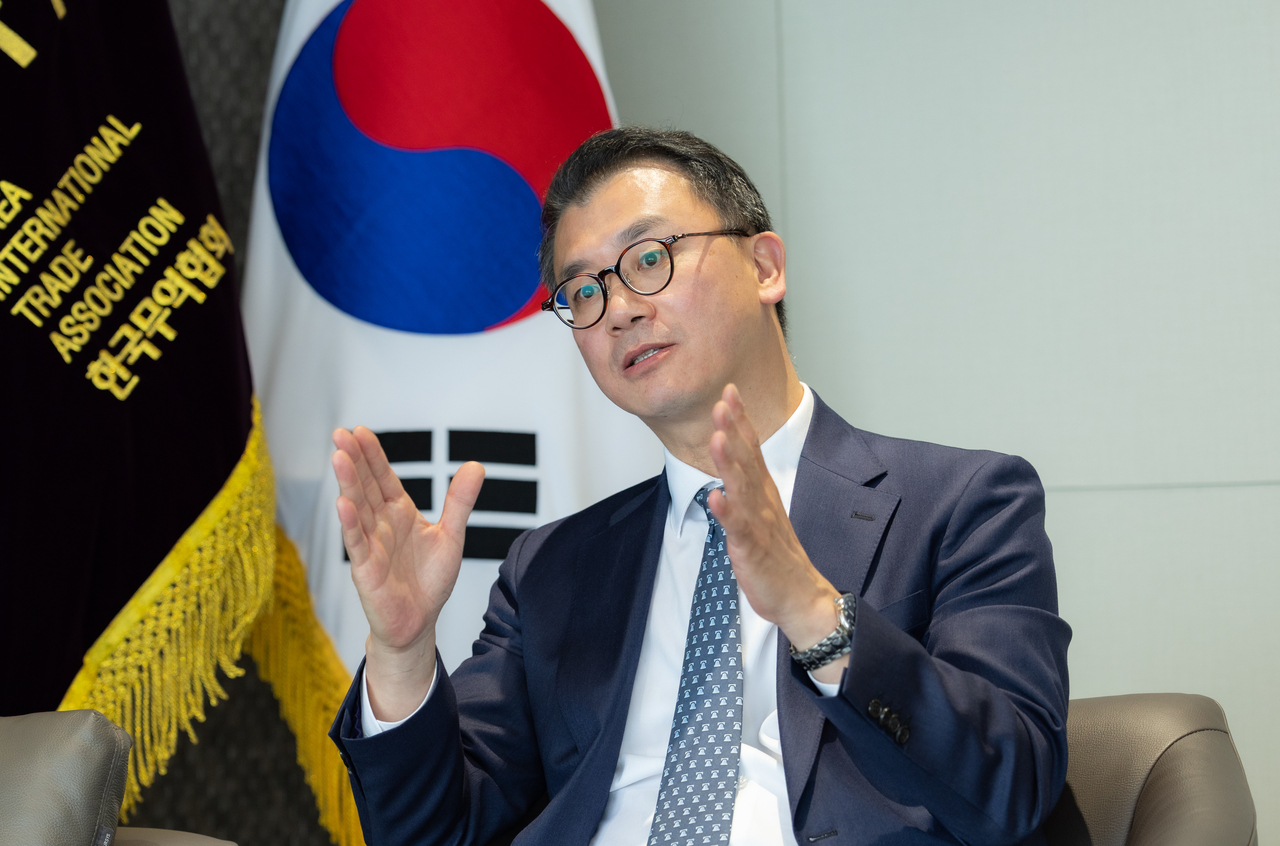
“President Trump’s tariff policy is not targeting South Korea,” said Kim. “The reason he is using this tariff tool is to really send a message to China to counterbalance China’s manipulative trade practices.”
While tariffs have spawned anxiety, both experts emphasized that the Korea-US alliance, built over 75 years, is far stronger than any trade tensions.
“The alliance is definitely strong enough to withstand, hopefully temporary short-term tariff fluctuations and negotiations,” said Morgan, noting that the alliance has endured “ups and downs” and will persist because of shared values and goals.
Kim added that the tariff situation could even create a unique opportunity for deeper ties.
“Yes, it’s uncomfortable, but that doesn’t mean our alliance and partnership will fail because of the presence of the new tariffs,” he said. “I think this actually makes the two countries more integrated when it comes down to true investment and true economic activity.”
Morgan stressed that Korean companies’ investments in the US — ranging from autos to semiconductors and batteries — are “critical to the US Economy” and widely appreciated not only in Washington, but also across local communities, particularly in southern, pro-business states.
Unlike some Chinese investments that have faced local backlash, Morgan noted South Korean companies are widely welcomed, with their close ties to the US well recognized.
On Seoul’s strategic dilemma between its security alliance with Washington and its economic ties with Beijing, Morgan cautioned against looking at China through "rose-colored glasses."
“Every country should seek friendly relations with every other country to the extent that you can. At the same time, eyes should be wide open with respect to China and how it’s conducted itself in the commercial sphere and the way it has treated foreign companies and its own people,” he said. “Korea and the US are true friends who have stood together for decades. At the end of the day, the US is going to be a friend to Korea, whereas China is much more of a question mark in that regard.”
Kim called on Seoul to weigh costs and benefits rather than trying to juggle both relationships.
“What has been happening ... what kind of benefit South Korea has achieved from engagement with China and what kind of damage South Korea has suffered from engagement with China. This is a perfect time for Seoul and the new president here to do a serious cost and benefit analysis.”
On whether Korea should bolster economic ties with Tokyo amid Washington’s push for trilateral cooperation, Morgan said, “more cooperation on every level between Japan and Korea is a step in the right direction.”
He praised both governments for putting aside past differences, calling the progress “a breath of fresh air,” and added that the US is “cheering from the sidelines” as the two neighbors move closer.
Kim echoed the point, stressing the bottom-line message from Washington is: “be good neighbors to each other so that we can work together."
sahn@heraldcorp.com