With Washington backing TSMC’s US expansion, Samsung may struggle to maintain its global influence, experts say
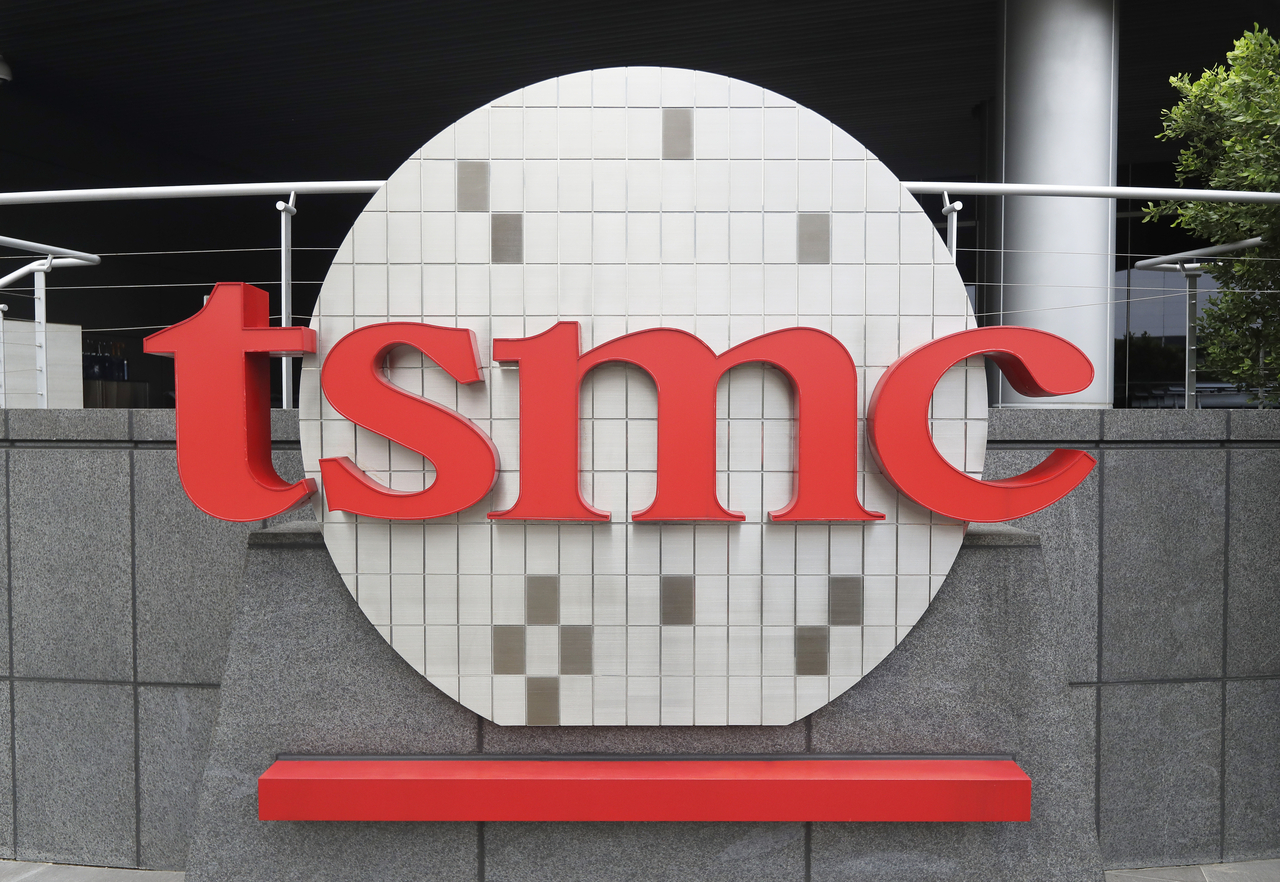
Taiwan Semiconductor Manufacturing Company is reportedly considering acquiring part of Intel’s chip plants, a move that, if realized, could further squeeze Samsung Electronics’ share of the global contract chip manufacturing market.
Over the weekend, the Wall Street Journal reported that Intel could face a breakup, with two major rivals eyeing different parts of its business. Semiconductor giant TSMC is considering taking a stake in or full control of Intel’s manufacturing unit, while American chip designer Broadcom is exploring a bid for Intel's chip design and marketing segment.
According to Bloomberg, officials from the Trump administration asked TSMC to consider the deal, and executives from the Taiwanese chipmaker were receptive. The talks are still in the early stages, with no clear structure for a potential partnership. TSMC is reportedly weighing various approaches, including forming an investor consortium.
The reports come as the Trump administration has upped the ante on tariffs, including those on semiconductors, automobiles and pharmaceuticals. Earlier this week, Trump announced plans to impose tariffs of 25 percent or more on imported chips, with the aim of getting companies to establish manufacturing facilities in the US.
Trump said on Wednesday that he would announce the deadline for tariffs "over the next month or sooner." But earlier, he also expressed a willingness to provide companies with time to relocate their manufacturing to the US. “When they come into the United States and set up their plants or factories here, there will be no tariff. So we want to give them a little bit of a chance,” Trump said.
In response to these pressures, TSMC has been exploring options to expand its US presence, adding to its existing and under-construction plants in Arizona.
However, analysts widely agree that a full takeover of ailing Intel by TSMC is unlikely, given the complex nature of the deal. Regulatory hurdles, fundamental differences in business operations and product lines, and potential pushback from TSMC shareholders all pose significant obstacles.
Given these challenges, a more feasible outcome could be a technology-sharing partnership between the two companies. Alternatively, as reported by a Taiwanese media outlet, TSMC may acquire a 20 percent stake in Intel’s foundry business, as a larger stake could face antitrust violations.
In whatever form it takes, potential TSMC-Intel collaboration could significantly reshape the global semiconductor landscape.
“If TSMC secures Intel’s manufacturing facilities and tech talents in the US, it could strengthen its global production capacity and US market share,” said Hwang Soo-wook, a researcher at Meritz Securities.
Samsung's foundry dilemma deepens
Currently, TSMC accounts for a commanding 64.9 percent share of the global foundry market by revenue, according to market tracker TrendForce. Samsung Electronics follows as a distant second with 9.3 percent.
Intel holds a market share of only around 1 percent. But a potential tie-up between the two firms could widen the gap between TSMC and Samsung, further eroding Samsung's influence in the sector.
“If TSMC moves forward with an acquisition, it will have a higher chance of securing orders from more US tech giants," said Lee Jong-hwan, a system semiconductor engineering professor at Sangmyung University. “This means there would be fewer opportunities left for Samsung, which could be concerning.”
TSMC is already the undisputed leader in the foundry business, supplying advanced chips to tech giants like Nvidia, Apple and AMD. Taking over Intel’s manufacturing assets would further cement its dominance, allowing TSMC to tap into Intel’s fabrication plants, research capabilities and extensive customer base.
Meanwhile, Samsung has been grappling with low yield issues in its advanced chip manufacturing process, namely 3 nanometer technology.
The firm's second generation 3nm process node is struggling with a yield rate of just 20-30 percent, well below the 60 percent threshold needed for mass production. In contrast, TSMC is reportedly hitting over 90 percent in yield in its 3nm node, making it the clear choice for fabless companies.
Even Samsung’s latest flagship smartphone, the Galaxy S25, relies on Qualcomm’s Snapdragon 8 Elite chipsets, which are built on TSMC’s 3nm process rather than its in-house Exynos chipsets.
If it fails to secure major clients soon, Samsung’s foundry, which has posted consecutive losses over the years, could see its financial woes deepen. Observers warn that this would make it even more difficult for Samsung to close the technological and volume gap with TSMC.
“If Samsung fails to improve yield and quality in its advanced node, deeper cooperation between TSMC and the US government could make it even harder for Samsung to secure high-end orders,” said Ming-Chi Kuo, a supply chain analyst at TF International Securities in a post on X.
Securing major clients is critical as Samsung plans to build two additional fabrication plants, an advanced packaging facility and an R&D facility in the US. The firm is already constructing a $17 billion foundry in Taylor, Texas, which was originally set to begin production late last year. However, sources indicate that the timeline has been pushed to 2026, largely due to Samsung’s struggles in attracting major customers.
Adding to the concern, Trump may request that Korean chipmakers Samsung and SK hynix manufacture memory chips in the US, observers say.
The global DRAM market is dominated by these two companies, which together hold a market share of over 70 percent, with most of their production facilities located in Korea and China. Notably, Samsung and SK hynix control nearly 95 percent of the market for advanced high bandwidth memory chips, a crucial component of graphics processing units used in AI systems.
But as Trump is pushing for the US to develop powerful AI systems with domestically produced chips, he could pressure Samsung and SK hynix to consider expanding their facilities for the advanced memory chips.
sahn@heraldcorp.com