

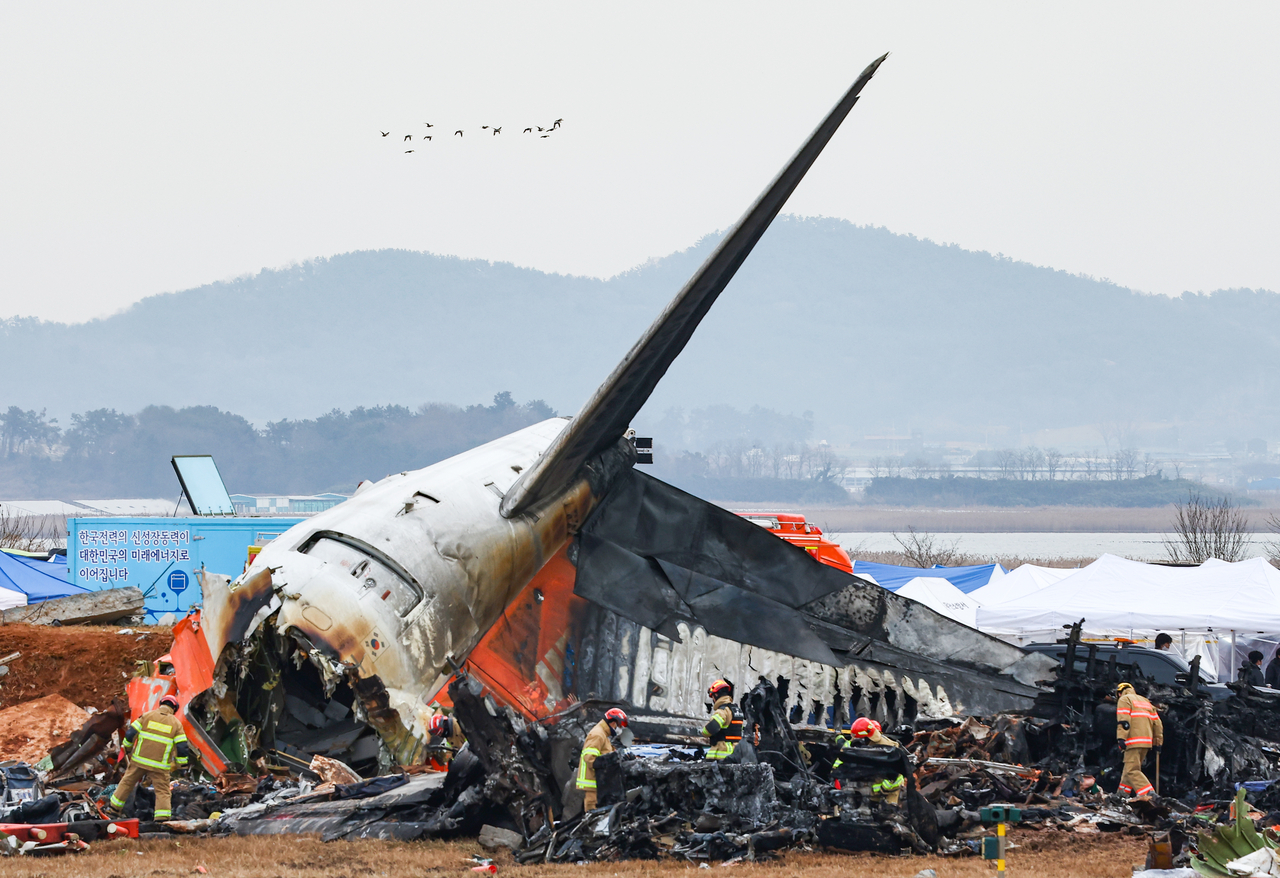
Tragic Plane Crash
A tragic plane crash at Muan International Airport in South Jeolla Province on Sunday morning claimed 179 lives, becoming South Korea's worst domestic aviation disaster to date.
Jeju Air flight 7C 2216, a Boeing 737-800 carrying 181 passengers and crew, veered off the runway five minutes after the pilot signaled mayday. The plane collided with the perimeter fence and burst into flames.
While the exact cause of the deadly crash was being investigated, a bird strike and a landing gear malfunction were suggested as possible causes. The budget airline was returning from Bangkok, Thailand, with most of its passengers having been on vacation for Christmas.
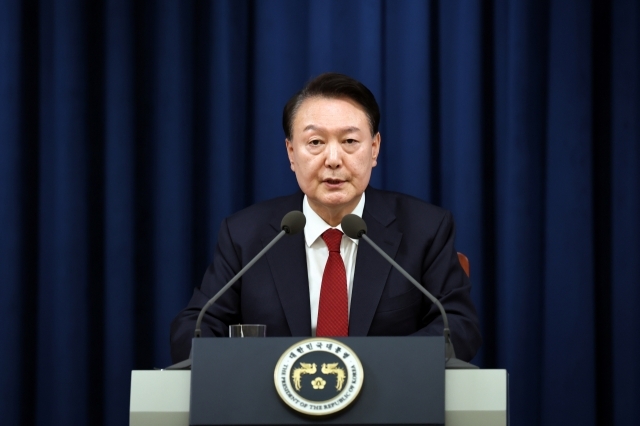
Yoon declares martial law, impeached
President Yoon Suk Yeol has been suspended since Dec. 14, following his impeachment by the National Assembly for declaring martial law on Dec. 3. This makes him the third Korean President to have an impeachment vote passed against him.
The opposition-led motion accuses Yoon of grave constitutional and legal violations during its implementation and repeal.
The Constitutional Court began pre-trial proceedings on Dec. 27, with a ruling deadline set for June 12 next year, though a faster decision is anticipated. The court is functioning with only six of nine justices due to vacancies that have been unfilled for months. After acting President Han Duck-soo rejected to approve the nomination of the three justices, he was impeached as well, turning his baton to Finance Minister Choi Sang-mok.
Yoon also faces separate investigations by a joint investigative body, which comprises the Corruption Investigation Office for High-ranking Officials, police and Defense Ministry, over allegations of insurrection and abuse of power.

Han Kang wins Nobel Prize in literature
Author Han Kang made history as the first Korean and the first Asian woman to win the Nobel Prize in literature. This marks Korea’s second Nobel Prize, following former President Kim Dae-jung’s Peace Prize in 2000.
The Swedish Academy described her oeuvre as “intense poetic prose that confronts historical traumas and exposes the fragility of human life."
Han gained international acclaim in 2016 when "The Vegetarian" won the Man Booker International Prize. She has continued to address themes of collective trauma and violence in "Human Acts," which draws from the 1980 Gwangju Democratic Uprising, and "We Do Not Part," which revisits the Jeju April 3 Uprising.
In her acceptance speech, Han said, “The work of reading and writing literature stands in opposition to all acts that destroy life.”
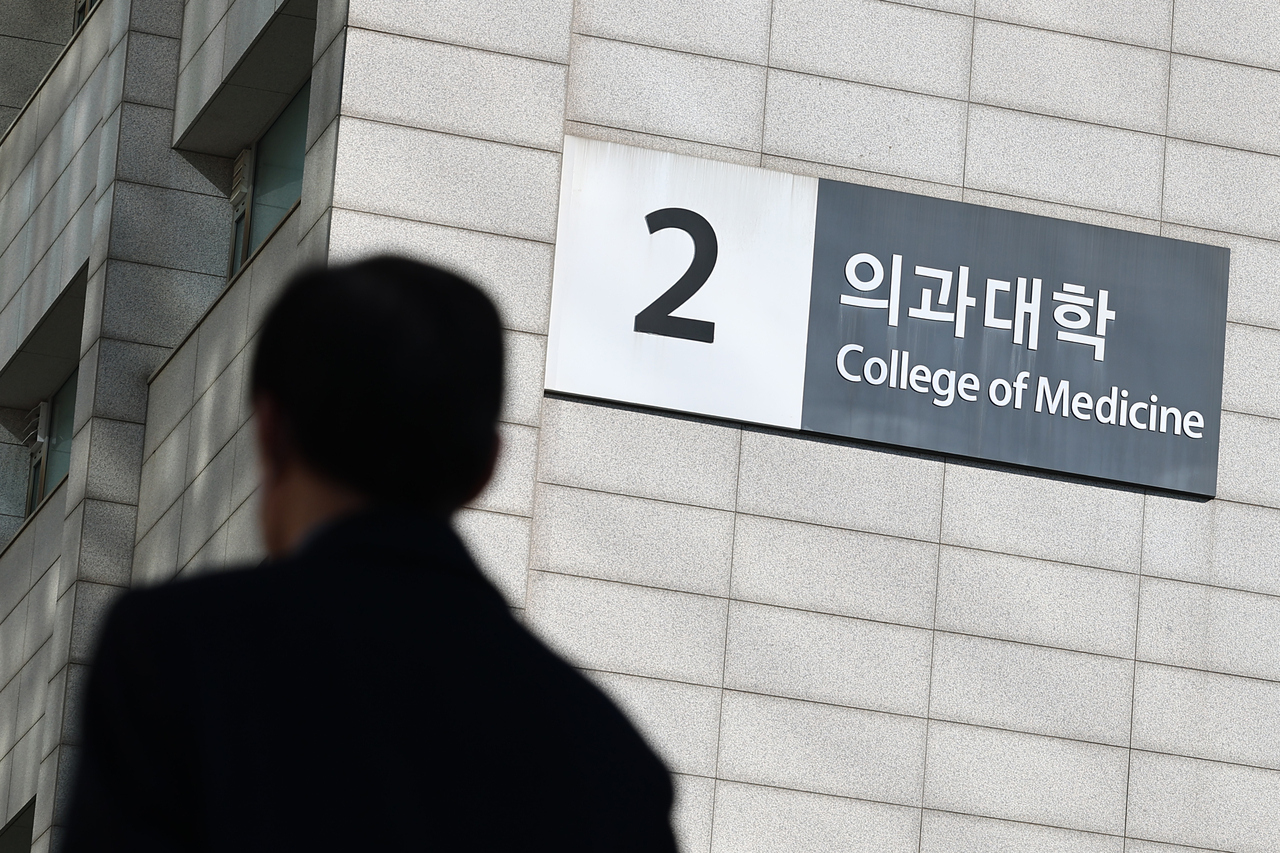
Medical School Crisis
A governmental proposal to increase medical school admissions by 1,000 students annually starting in 2025 sparked strong resistance from the medical community throughout the year, with junior doctors leaving their hospitals in apparent protest.
The government said the plan was aimed to address the shortage of doctors, particularly in underserved fields like emergency medicine and pediatrics. But doctors have contended that increasing numbers alone will not solve systemic issues in the medical industry.
The crisis highlights growing tensions between the government and health care professionals, as rural areas and critical specialties struggle with staffing shortages. Young doctors are increasingly avoiding high-demand fields with heavy workloads and limited incentives, opting instead for specialties like dermatology and plastic surgery.
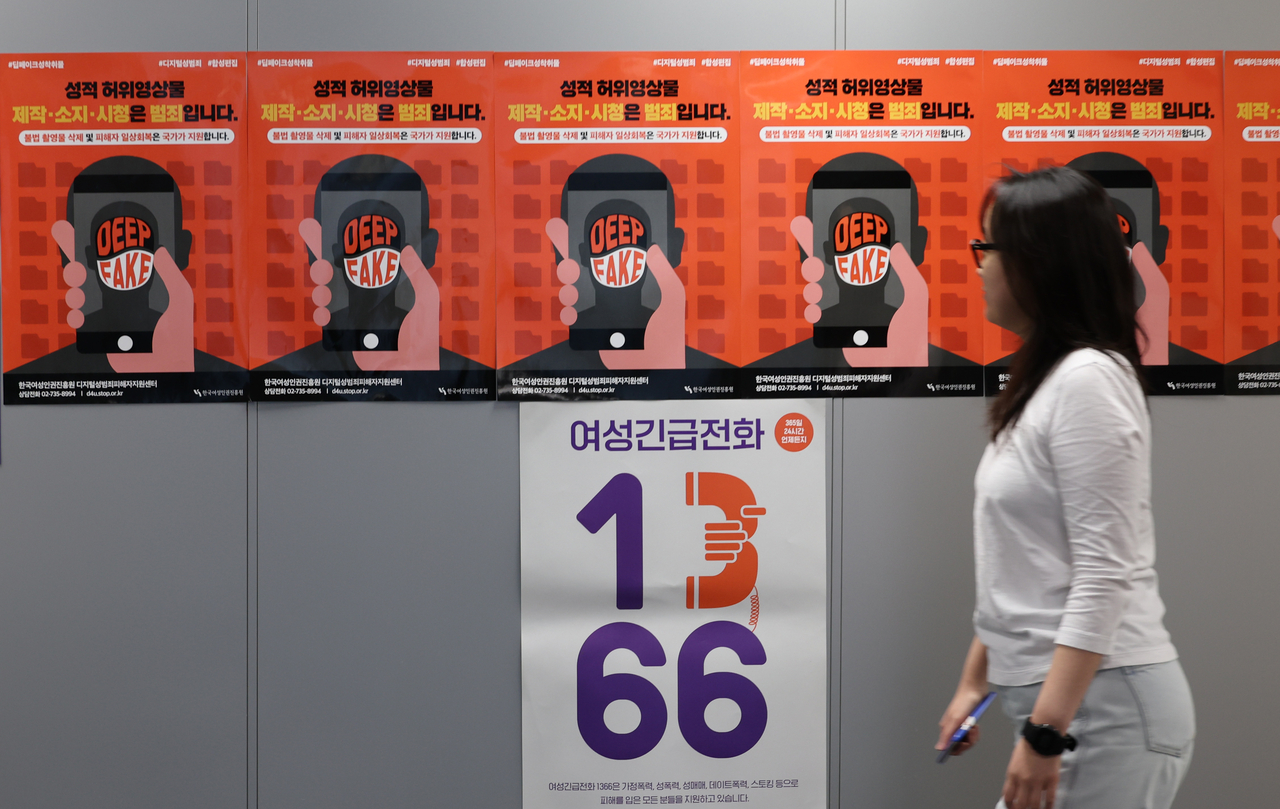
Deepfake sex crime scare sweeps schools
The rapid advancement of artificial intelligence took an unwelcome turn this year, as a myriad of underage sex crimes using deepfake technology were uncovered in schools across the country.
A growing number of students were caught using AI to create and distribute doctored photographic images and videos, of their classmates, teachers and others around them. National Police Agency data showed that of the 573 suspects accused of deepfake sex crimes from January to November, 80.8 percent were teenagers.
The South Korean government in August formed a pan-government task force to deal with deepfake sex crimes, while the NPA launched a special crackdown against such crimes in the same month. The National Assembly passed a law revision that specified punishment for crimes related to deepfake pornography.
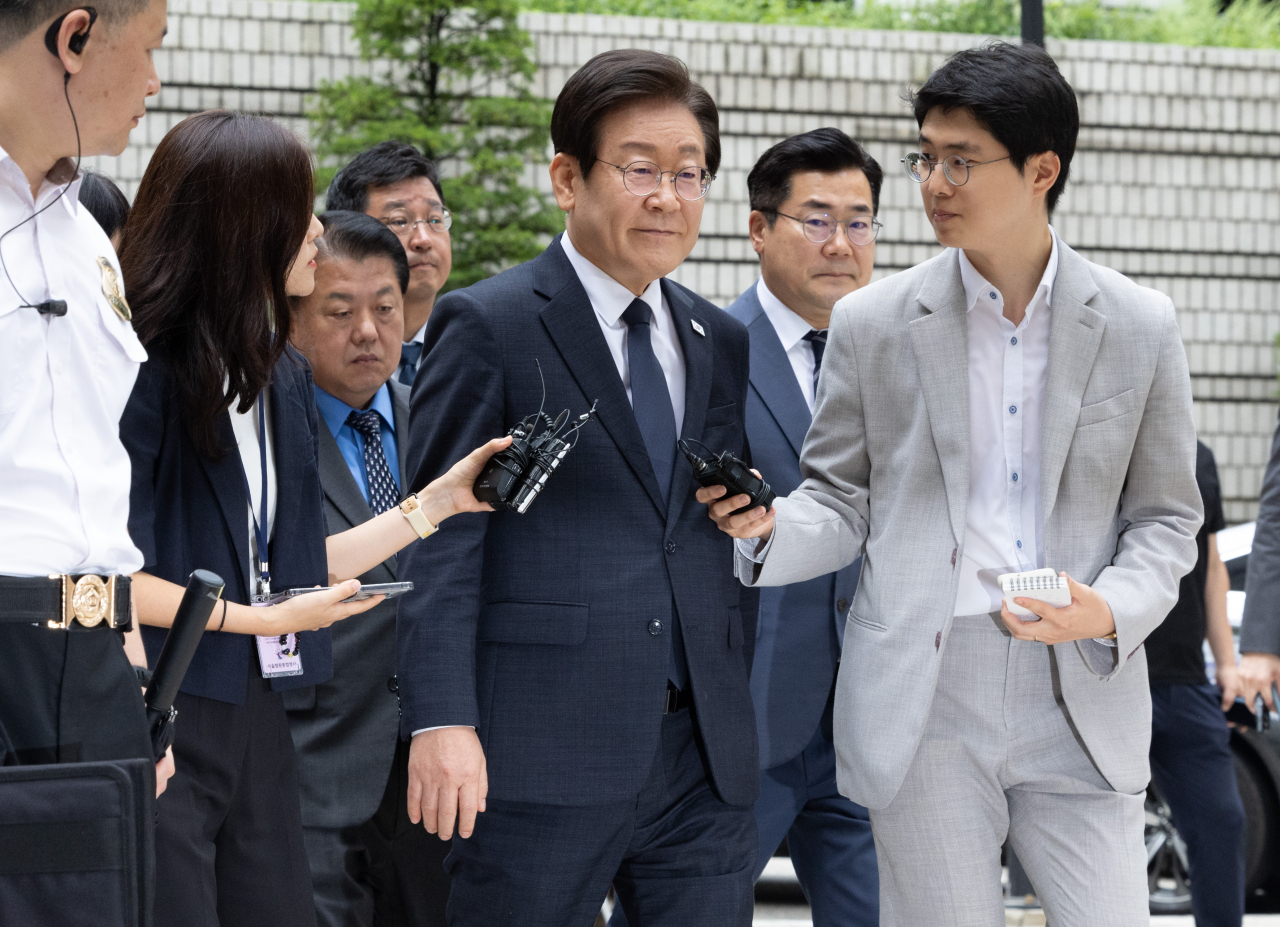
Lee Jae-myung’s legal troubles
Democratic Party of Korea leader Rep. Lee Jae-myung is the opposition’s likely presidential candidate should President Yoon Suk Yeol’s impeachment be upheld by the Constitutional Court.
However, whether Lee can run in the election or not depends on how quickly the Constitutional Court makes its call on Yoon.
The opposition chief faces five trials, one of which sentenced him to a jail term that could bar him from running for office.
Though Lee has filed an appeal against the sentence, if the jail term stands he will be unable to run even if the Constitutional Court finalizes Yoon’s impeachment.
The Constitutional Court has 180 days to decide whether or not to remove Yoon, meaning the decision could come as late as May and coincide with Lee’s final ruling.
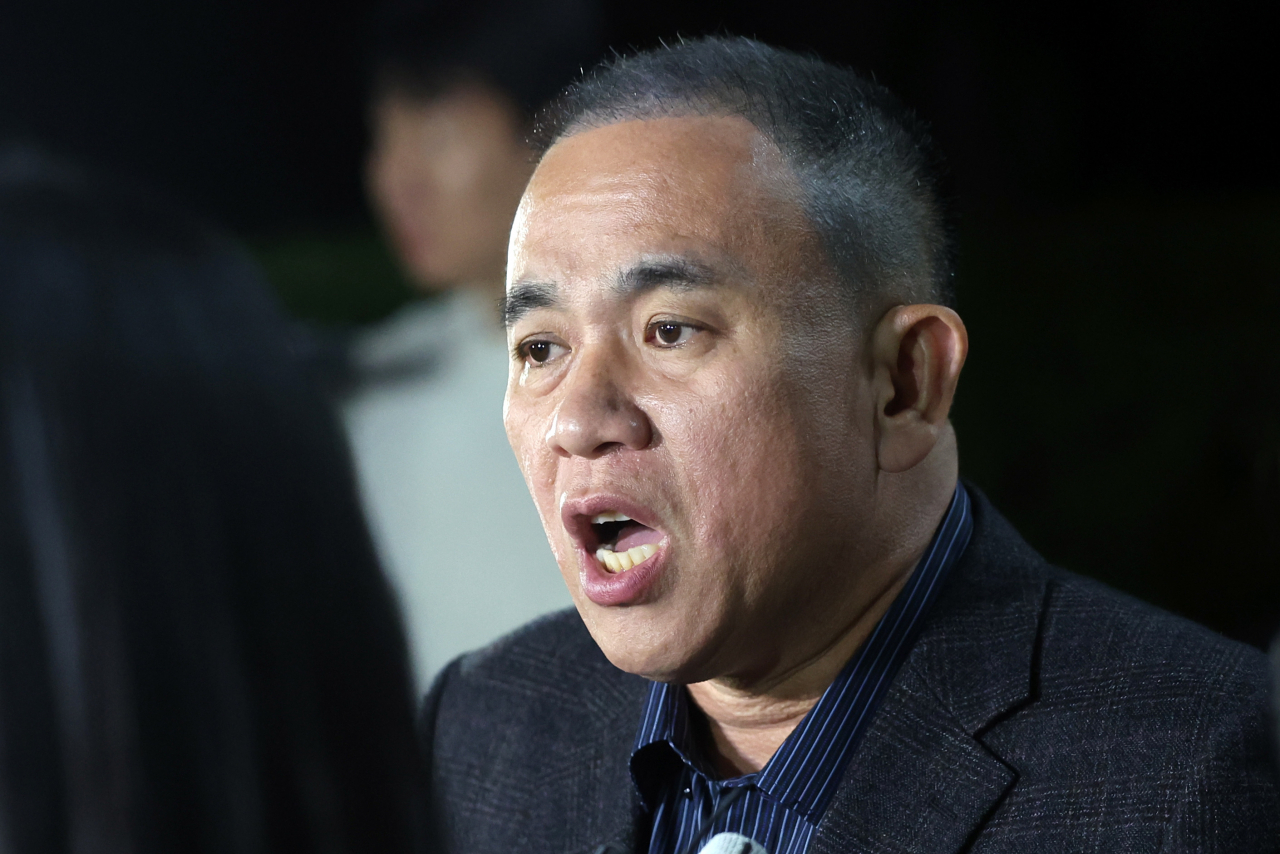
Conservative bloc hit by political scandal with power broker
In October, a political scandal further plunged the conservative bloc into turmoil, following allegations that first lady Kim Keon Hee meddled in the ruling party’s candidate nominations for the 2022 parliamentary by-elections. At the center of this political scandal was Myung Tae-kyun, a self-proclaimed power broker previously unknown to many South Koreans.
The scandal escalated as Myung claimed to have advised President Yoon Suk Yeol and his wife during the presidential campaign and alleged he was offered a public position post-election. The controversy deepened when the main opposition Democratic Party released an audio recording suggesting Yoon discussed a by-election nomination with Myung. President Yoon publicly denied the allegations while Seoul Mayor Oh Se-hoon and lawmaker Lee Jun-seok also denied Myung's claims of his involvement in their elections.

Tmon, WeMakePrice liquidity crisis
Korea's two major e-commerce platforms Tmon and WeMakePrice faced a severe liquidity crisis in July, resulting in massive payment delays to vendors.
The crisis stemmed from financial mismanagement by their parent company, Singapore-based Qoo10, which allegedly misappropriated funds for global expansion. As a result, the platforms failed to settle payments totaling some 1.3 trillion won ($978 million) to over 48,000 vendors. The situation escalated when both companies filed for court receivership in late July, leading to asset freezes and investigations by prosecutors.
The crisis had far-reaching consequences, affecting not only small merchants but also large retailers and travel agencies, many of whom withdrew from the platforms. The government and financial regulators faced criticism for inadequate oversight, as the platforms had been operating in a regulatory blind spot.
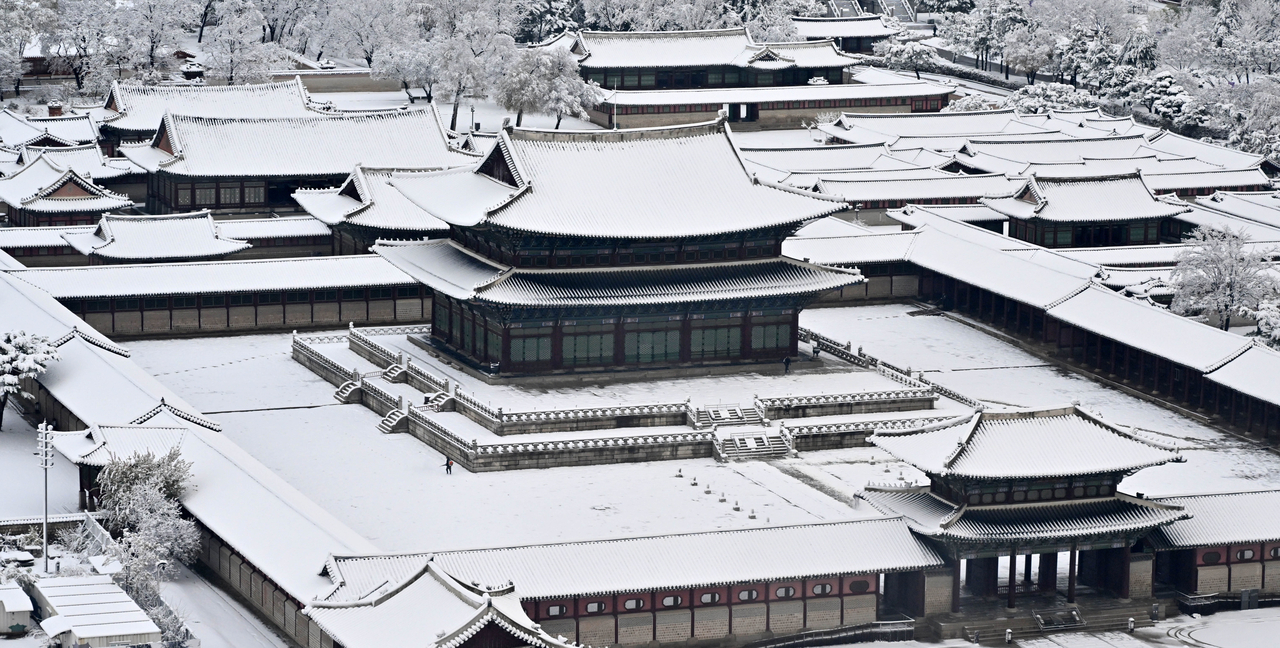
Heaviest November snow in 117 years
This November, Seoul, and the surrounding metropolitan region saw its heaviest snowfall for the month since weather tracking began in 1907.
For two days starting Nov. 27, a massive snowstorm blanketed the capital and neighboring areas.
The Korea Meteorological Administration also reported that the daily maximum snowfall in Seoul hit 16.5 centimeters, smashing the previous record of 12.4 centimeters set on Nov. 28, 1972. The historic snowfall triggered a citywide heavy snow warning in Seoul and snow advisories across most of the surrounding area.
Meteorologists explained that the cold air from the northwest moved over the relatively warm waters of the West Sea, creating a sharp temperature difference that fed snow clouds, which drifted into Seoul.
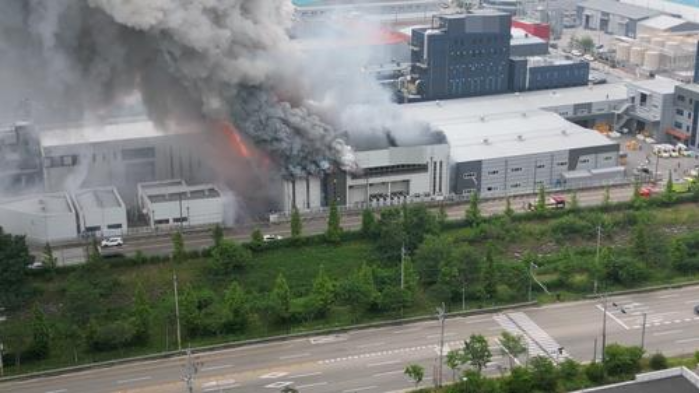
Summer scarred by tragic accidents
A series of large-scale accidents claimed many lives this summer.
A fire broke out at Aricell’s lithium battery manufacturing plant in Hwaseong, Gyeonggi Province, on Jun. 24, leaving 23 workers dead and eight injured. The majority of the deceased victims were foreign workers, including 17 Chinese nationals and one Laotian as well as five Koreans.
Another fire erupted at a hotel in Bucheon, Gyeonggi Province, on Aug. 22, resulting in seven deaths and 12 injuries.
Both fires were reportedly caused by the negligence of facility managers.
A deadly car crash on July 1 near Exit No. 7 of Seoul City Hall Station also shocked the nation. A sedan, traveling at 107 kilometers per hour in the wrong direction, collided with pedestrians waiting for a green light.
The crash resulted in nine deaths and seven injuries. The 68-year-old driver, surnamed Cha, was indicted for negligent driving in August, but he has consistently claimed that the car experienced sudden unintended acceleration.
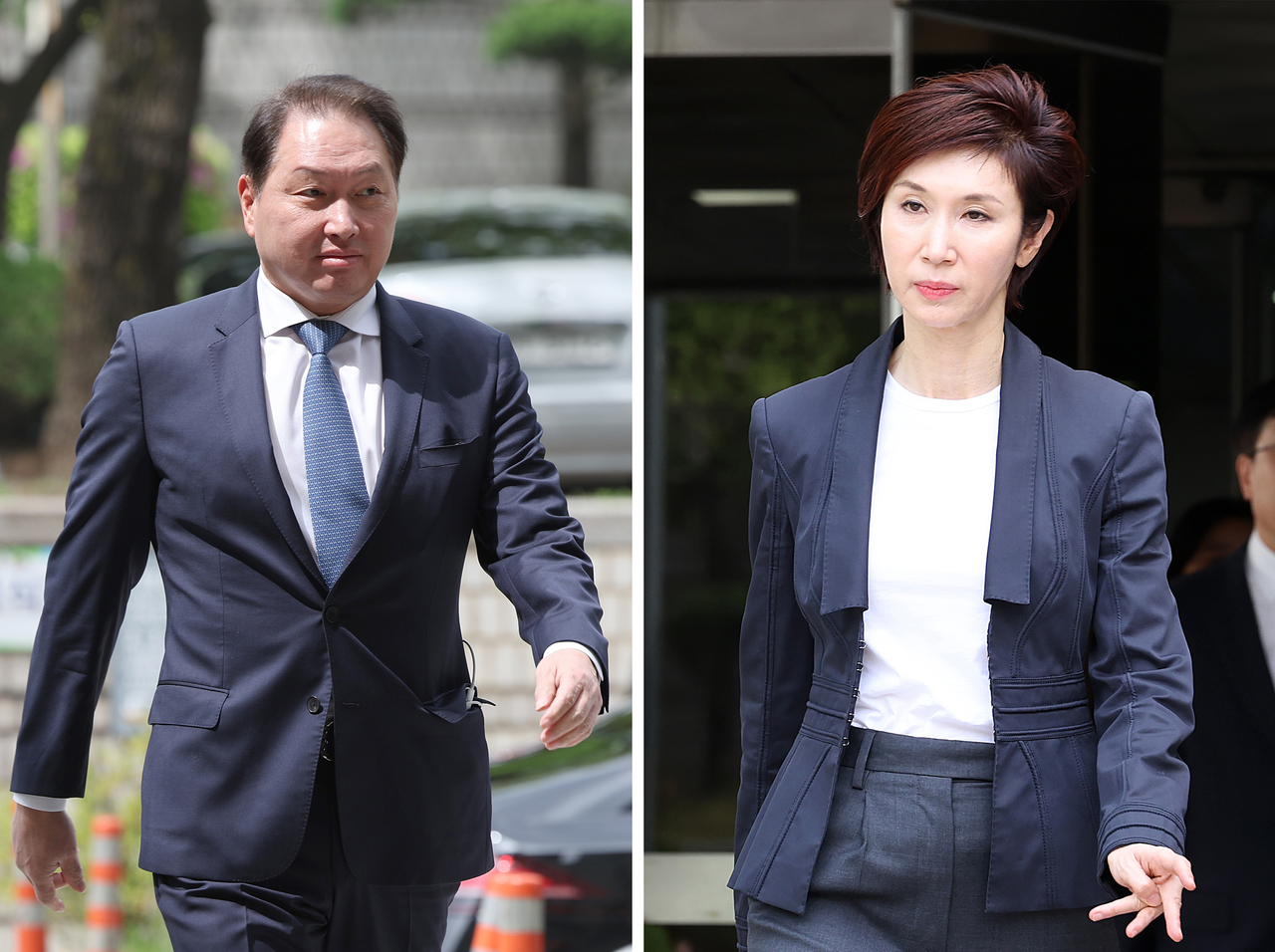
SK chief’s pricey divorce suit
The nation’s most expensive divorce suit between SK Group Chair Chey Tae-won and his estranged wife, Roh So-young, is feared to affect the energy-to-chip conglomerate’s governance structure.
In May, a Seoul court ordered the SK chief to pay 1.38 trillion won ($937 million) in property division to Roh, the only daughter of former President Roh Tae-woo. The couple married in 1988 and have three children.
The divorce settlement is based on Roh’s contribution to SK’s growth into the nation’s second-largest conglomerate. But Chey appealed the ruling immediately, saying it overestimated his role in inflating the group’s asset values considering he inherited the parent company Korea Telecom, now renamed SK Inc., from his father.
The Supreme Court is still to review the case, which is expected to take another two to three years.
koreadherald@heradcorp.com

![[World Class] HUFS bets on Songdo, AI to redefine what a global university can do](https://wimg.heraldcorp.com/news/cms/2026/10/18/news-p.v1.20260930.7e4dbeacfc1d4d16848c0e2a441c04e6_R.jpg?type=h&h=120)
