

As tumultuous December and 2024 draw to an end, fractures, quiet solidarity, hard-earned hope endure
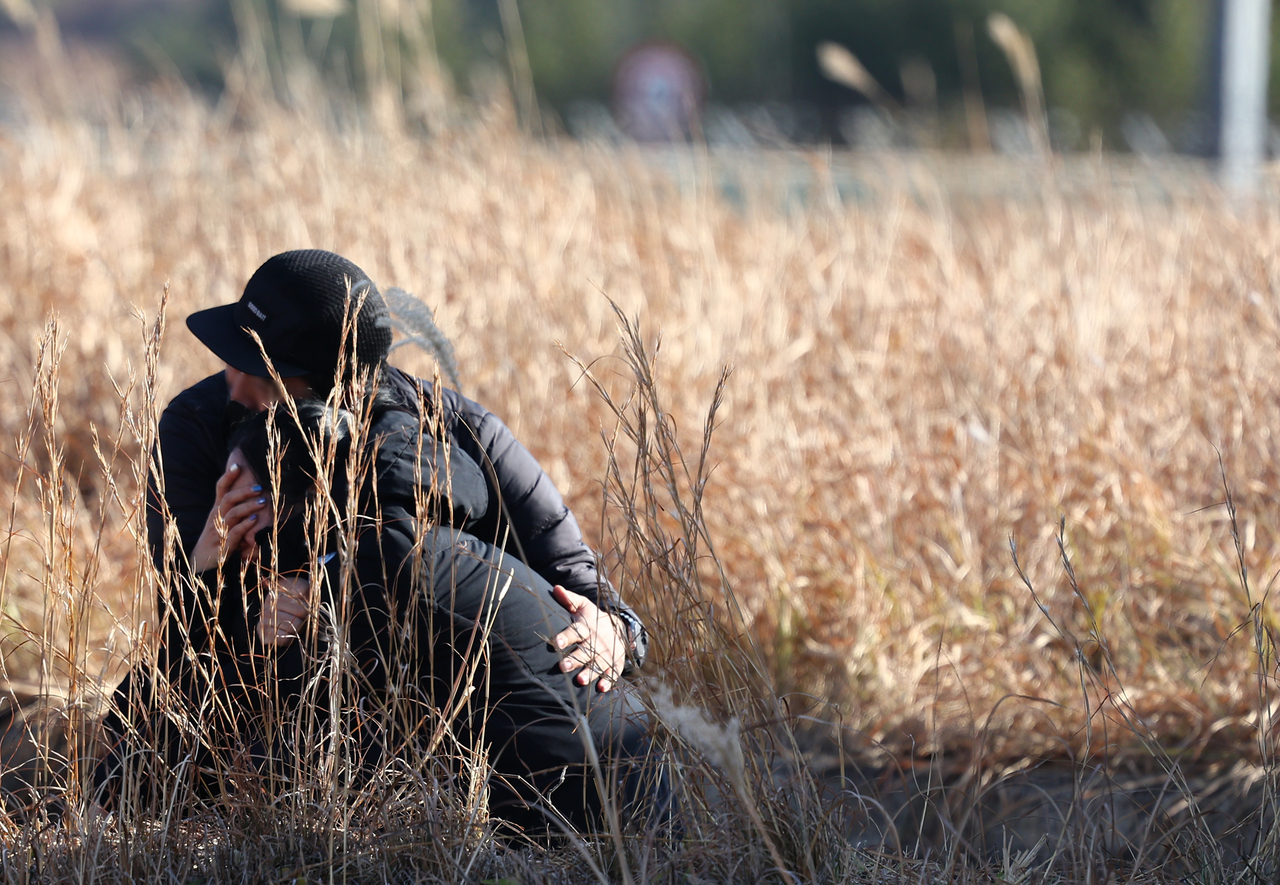
December in South Korea felt like an endless night: no festive lights, no holiday cheer, only a suffocating string of crises that kept piling on. The final punch to the gut came on Dec. 29, when Jeju Air flight 7C 2216 crashed at Muan International Airport in South Jeolla Province, claiming 179 lives.
“It felt like one heavy blow after another,” says 27-year-old social activist Lee Yeon-joo. “There’s no time or mental space to think about the new year -- my heart’s still stuck in that tragedy.”
The crash that ended the year
Before the plane disaster, political chaos had already consumed December. President Yoon Suk Yeol’s sudden declaration of martial law in early December sowed fear and anger. Mass protests erupted, followed by his impeachment on Dec. 14. Acting President Han Duck-soo was impeached less than two weeks later. Just when people thought it would not get any worse, national tragedy struck.
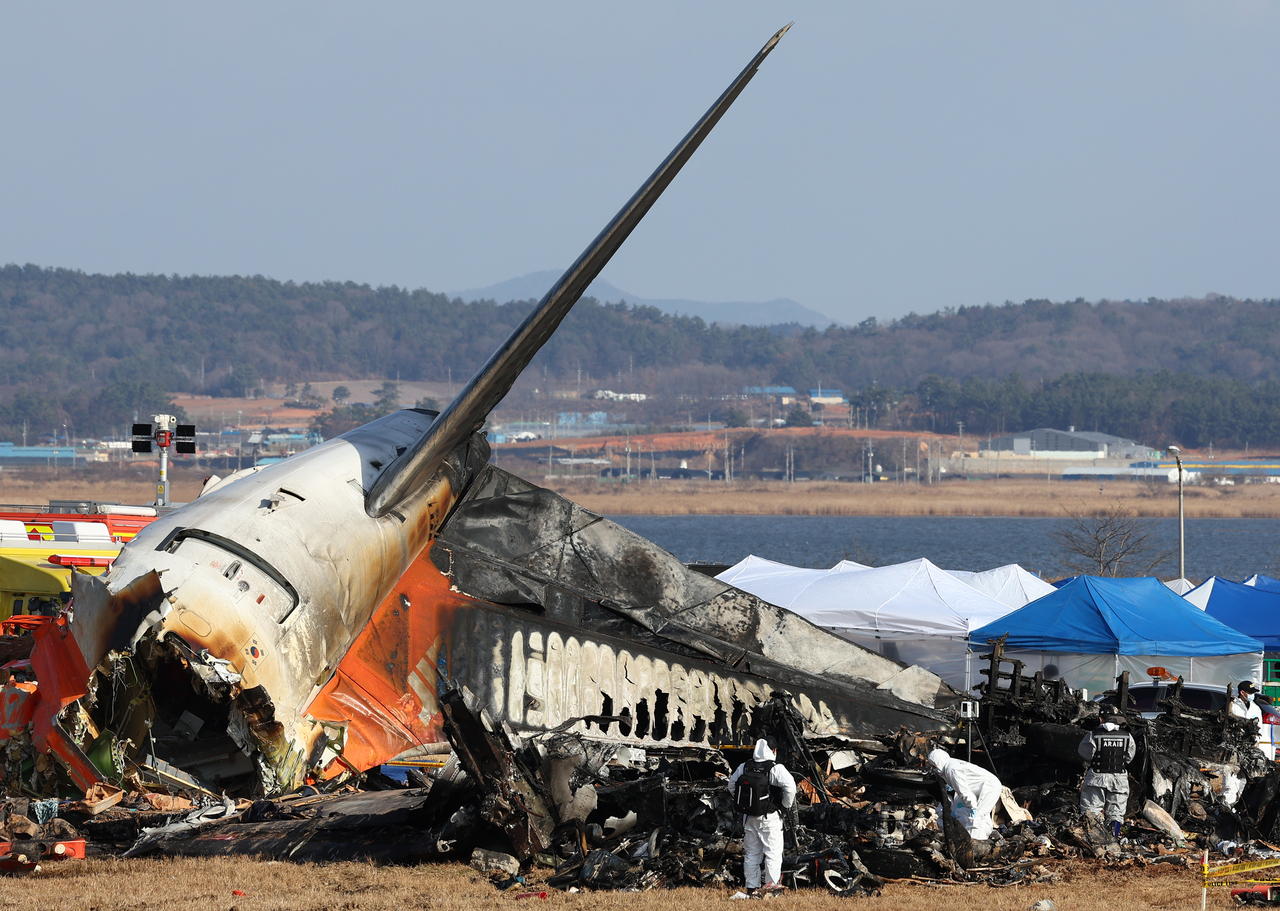
“For me, the plane crash was the final nail,” says 30-year-old human rights activist and peace scholar Seo Jun-hee. “I kept thinking of the Sewol ferry disaster and Itaewon crowd crush -- disasters that could have been prevented. It’s overwhelming to watch history repeat itself.”
Ripples of political upheaval
The upheaval did not stop with the impeachments. Streets filled with rallies both pro- and anti-Yoon. Military vehicles parked outside government buildings. Rumors of a near-coup atmosphere circulated online. “Watching our politicians prioritize themselves over the people has been heartbreaking,” says 50-year-old medical doctor Kim Jung-wook.

Economic free fall quickly followed political unrest.
The South Korean won tumbled to its weakest value in over 15 years, and consumer confidence plummeted. “I work for a foreign firm and send money abroad,” explains 30-something office worker Kwon Ji-young. “The exchange rate is brutal right now -- every transfer hurts, and I can’t see it improving until things calm down.”
Even those usually detached from politics could not entirely escape the sense of unease. “I’m in high school — I don’t really follow the news,” admits 19-year-old Seo Soo-young. “But it’s impossible to ignore how unstable everything feels. My daily routine hasn’t changed much, but I can’t help feeling unsettled.”

Others felt real-time changes in their schedules and routines. Thirty-three-year-old public school teacher Na So-young canceled most of her year-end gatherings. “It doesn’t feel right to celebrate,” she says. “I would call this the worst December in recent memory, but it’s also a turning point. Whether Korea can overcome it might define our future.”
For small businesses and restaurants, December is usually the busiest season. But with events called off and families opting to stay home, the festive spirit vanished. “I worry about local shops,” says Kim, the doctor. “Year-end festivities used to give them a financial boost. Now, it’s all dried up.”
Hard-earned hope
With near-coup rumors and multiple impeachments, political lines hardened.
“I didn’t sleep, thinking this could lead to another Gwangju,” shares 50-year-old office worker Park Young-tae. “We were so close to full-blown unrest.”
Yet alongside these divides, a form of grassroots unity has been brewing. Some people now treat protests like year-end gatherings.
“I see more women in their 20s and 30s standing up,” observes Yang Jeong-hwa, a medical doctor in her 50s. “It gives me hope. The bigger the crisis, the louder these young voices get.”

Activist Seo describes a similar sense of solidarity: “Instead of meeting at parties, many of my friends and I meet at rallies. It’s oddly comforting -- like we’re reclaiming a space for ourselves when our institutions fail us.”
Despite the gloom, a different brand of hope has emerged -- one shaped by weariness, anger and a refusal to wait for a "savior."
“I do believe in change,” says teacher Na. “Not because our political system will magically fix itself, but because there are so many unsung heroes in our society. They’ve always kept this country afloat.”
Seo also sees a deeper awakening in the public. “The authoritarian systems and old hierarchies have left us no choice but to speak louder. This isn’t naive optimism -- it’s a determination driven by frustration.”
For doctor Kim, the memory of past crises holds a lesson. “We survived Sewol, Park Geun-hye’s impeachment and Itaewon. The current chaos hurts more, but it also reminds us how precious normal life is. Hope doesn’t mean ignoring the pain; it means pushing forward even when you’re exhausted.”
One foot in 2025
Heading into the new year, most people aren’t talking about lavish countdowns or extravagant dinners. Instead, the conversation revolves around accountability -- removing leaders who abused power and ensuring the families of the plane crash victims receive support.
“If 2024 taught me anything,” says 27-year-old Lee, “it’s that nothing is guaranteed. We can’t keep trusting leaders who fail us.”
Asked what she wants for 2025, 19-year-old Seo responds simply: “I just want some stability. Even if that’s not exciting or groundbreaking, it feels like a luxury now.”
mjh@heraldcorp.com
Joanne0901@heraldcorp.com

![[World Class] HUFS bets on Songdo, AI to redefine what a global university can do](https://wimg.heraldcorp.com/news/cms/2026/10/18/news-p.v1.20260930.7e4dbeacfc1d4d16848c0e2a441c04e6_R.jpg?type=h&h=120)
